

Loading Lesson



Jamaica & England: A Brief Introduction
The Caribbean island of Jamaica was originally inhabited by the Redware people, the Caribs, and the Arawak group of indigenous peoples including the Taíno people. The island was named “Xaynaca” by its early inhabitants, which meant “land of wood and water”. Christopher Columbus is believed to have been the first European to reach Xaynaca in 1494, after which it was colonised* by the Spanish. The Spanish changed the name of the island to “Jamaica”.
The Spanish enslaved Arawak people and by 1602 some historians believed the Arawak people were extinct. However, some had escaped the Spanish and had settled in the mountainous regions of Jamaica. The Spanish also enslaved* people from West Africa and transported them to the island.
*Colonised = when a country is taken over and controlled by another.
*Enslave = to cause someone to lose their freedom of choice and action; slave.

The Caribbean island of Jamaica was originally inhabited by the Redware people, the Caribs, and the Arawak group of indigenous peoples including the Taíno people. The island was named “Xaynaca” by its early inhabitants, which meant “land of wood and water”. Christopher Columbus is believed to have been the first European to reach Xaynaca in 1494, after which it was colonised* by the Spanish. The Spanish changed the name of the island to “Jamaica”.
The Spanish enslaved Arawak people and by 1602 some historians believed the Arawak people were extinct. However, some had escaped the Spanish and had settled in the mountainous regions of Jamaica. The Spanish also enslaved* people from West Africa and transported them to the island.
*Colonised = when a country is taken over and controlled by another.
*Enslave = to cause someone to lose their freedom of choice and action; slave.
Jamaica & England: A Brief Introduction
In 1655 the English invaded Jamaica and defeated the Spanish to claim Jamaica as their colony*. The sugar cane industry replaced piracy as British Jamaica’s main source of income. Enslaved* people were forced to work without rest or pay, and regularly abused.
*Colonised = when a country is taken over and controlled by another.
*Enslave = to cause someone to lose their freedom of choice and action; slave.
In 1655 the English invaded Jamaica and defeated the Spanish to claim Jamaica as their colony*. The sugar cane industry replaced piracy as British Jamaica’s main source of income. Enslaved* people were forced to work without rest or pay, and regularly abused.
*Colonised = when a country is taken over and controlled by another.
*Enslave = to cause someone to lose their freedom of choice and action; slave.
Jamaica & England: A Brief Introduction
Before World War Two, Britain maintained colonies around the world, which provided England with valuable raw materials, manpower and strategic bases. After World War Two Britain emerged victorious but bankrupt, its empire disintegrated causing Britain to struggle to redefine themselves within the transformed international and political context. A huge rebuilding effort began, as many British cities had been destroyed by the *Blitz, and England needed workers to help rebuild the economy, healthcare and service sectors. These employment opportunities attracted many people from *the commonwealth countries.
The post-war migration included people who arrived in the UK from Caribbean countries. Individuals that arrived between 1948 and 1971 have become commonly known as the windrush generation.
*Blitz = a German bombing campaign against the United Kingdom, in 1940 and 1941, during the Second World War.
*The Commonwealth = an association of independent countries, almost all of which were former territories of the British Empire.
Before World War Two, Britain maintained colonies around the world, which provided England with valuable raw materials, manpower and strategic bases. After World War Two Britain emerged victorious but bankrupt, its empire disintegrated causing Britain to struggle to redefine themselves within the transformed international and political context. A huge rebuilding effort began, as many British cities had been destroyed by the *Blitz, and England needed workers to help rebuild the economy, healthcare and service sectors. These employment opportunities attracted many people from *the commonwealth countries.
The post-war migration included people who arrived in the UK from Caribbean countries. Individuals that arrived between 1948 and 1971 have become commonly known as the windrush generation.
*Blitz = a German bombing campaign against the United Kingdom, in 1940 and 1941, during the Second World War.
*The Commonwealth = an association of independent countries, almost all of which were former territories of the British Empire.
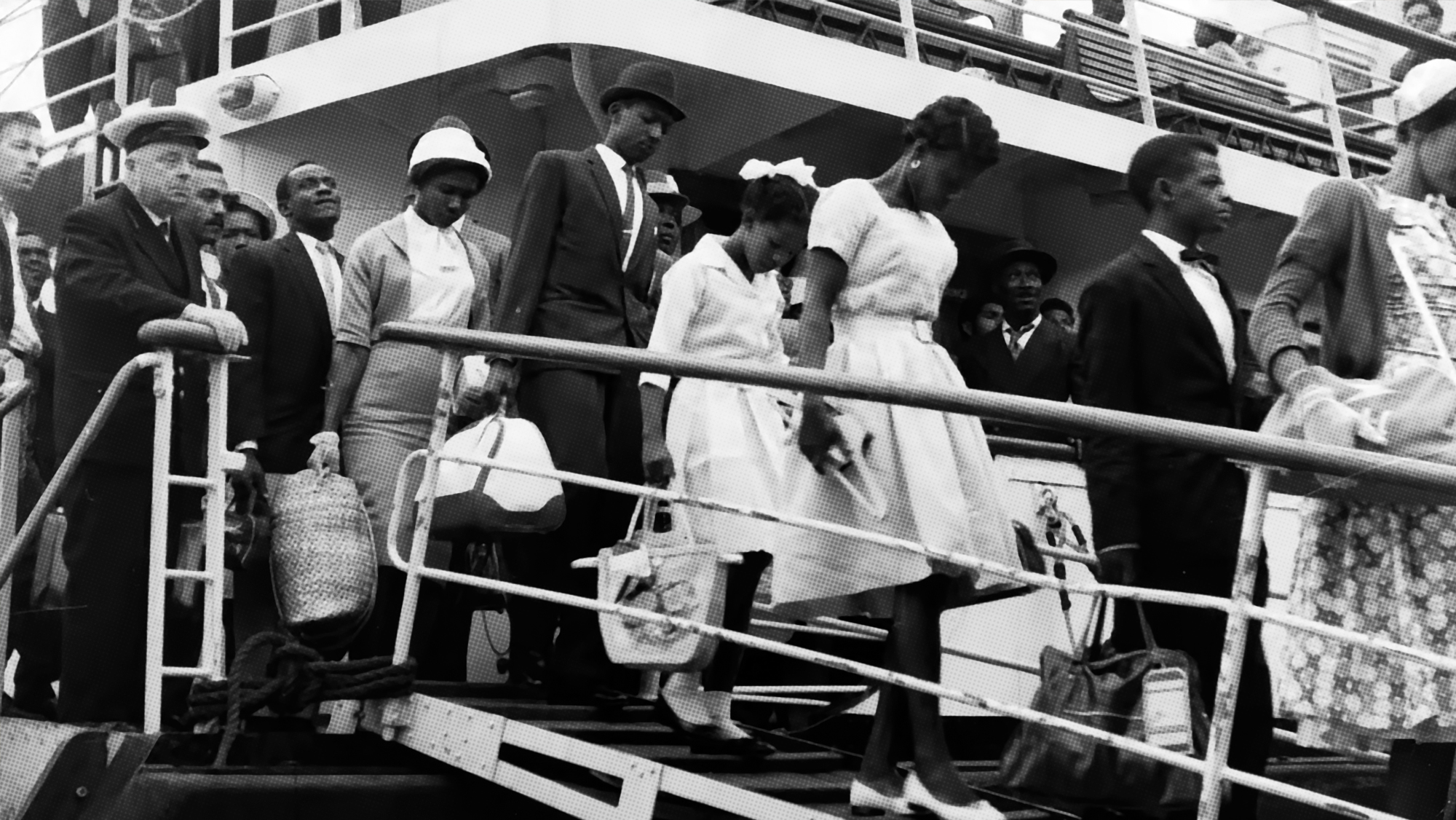
Post-war migration
Jamaica & England: A Brief Introduction
Many of the African-Caribbean people who came to England as part of the post-war migration had fought or worked alongside England during the war, and therefore felt a sense of belonging to England. Despite this, England’s reaction to the arrival of people from the Caribbean was not welcoming.
Before the Race Relations Act was passed in 1965, there was no legal protection against discrimination. People from British colonies were classed as British citizens, however members of the African-Caribbean communities could be denied access to housing healthcare, bank accounts, voting and driving licences’, all of which happened frequently. There were often signs in windows saying “No blacks, No Gypsies, No Irish and No Dogs”.
Having been promised *citizenship as part of the Commonwealth, it must have been disappointing that they were not awarded equal opportunities.
*Citizenship = the position or status of being a legally recognised person of a country.
Many of the African-Caribbean people who came to England as part of the post-war migration had fought or worked alongside England during the war, and therefore felt a sense of belonging to England. Despite this, England’s reaction to the arrival of people from the Caribbean was not welcoming.
Before the Race Relations Act was passed in 1965, there was no legal protection against discrimination. People from British colonies were classed as British citizens, however members of the African-Caribbean communities could be denied access to housing healthcare, bank accounts, voting and driving licences’, all of which happened frequently. There were often signs in windows saying “No blacks, No Gypsies, No Irish and No Dogs”.
Having been promised *citizenship as part of the Commonwealth, it must have been disappointing that they were not awarded equal opportunities.
*Citizenship = the position or status of being a legally recognised person of a country.

Signage
Roy Hackett’s Journey Begins
From birth - The Parish of St Mary in Jamaica, to death - Jamaica St, Bristol. Both these places have defined Roy, born Lurel Roy Hackett in 1928.
His Parents were Harrold and Ida, but he was brought up by his Grandmother Lillian Beckford until the age of 9. He had two brothers, Headly and Whitcliffe, and one sister, Ruby. Roy has come from a long line of long livers. His grandmother was 104 when she passed away and his own mother was 93.
Roy grew up among various nationalities, including people of Chinese, Lebanese and European descent. All of these diverse nationality neighbours were Jamaican citizens, so it is no surprise that he had an *innate sense of inclusion and cultural acceptance at an early age. When he saw injustice, it interfered with his *equilibrium and he'd rebel to bring balance and put things right.
*Innate = natural.
*Equilibrium = sense of balance.
From birth - The Parish of St Mary in Jamaica, to death - Jamaica St, Bristol. Both these places have defined Roy, born Lurel Roy Hackett in 1928.
His Parents were Harrold and Ida, but he was brought up by his Grandmother Lillian Beckford until the age of 9. He had two brothers, Headly and Whitcliffe, and one sister, Ruby. Roy has come from a long line of long livers. His grandmother was 104 when she passed away and his own mother was 93.
Roy grew up among various nationalities, including people of Chinese, Lebanese and European descent. All of these diverse nationality neighbours were Jamaican citizens, so it is no surprise that he had an *innate sense of inclusion and cultural acceptance at an early age. When he saw injustice, it interfered with his *equilibrium and he'd rebel to bring balance and put things right.
*Innate = natural.
*Equilibrium = sense of balance.
Knowledge is Key
In Jamaica, on his first day of school his grandmother insisted that Roy should be educated with the 9 year olds, as at age 7 he could already read and write. It was Roy’s Grandmother who had taught him to read and write.
Roy continued to be two years ahead throughout his educational journey and was indebted to his grandmother ever since.
At Bennett College in Kingston he studied book keeping and accountancy and after 4 years he received his Diploma. His first job in accountancy was for a pharmaceutical company, followed by a role in the Coffee industry, until landing a job with Tate and Lyle (the sugar people) in Clarendon.
In Jamaica, on his first day of school his grandmother insisted that Roy should be educated with the 9 year olds, as at age 7 he could already read and write. It was Roy’s Grandmother who had taught him to read and write.
Roy continued to be two years ahead throughout his educational journey and was indebted to his grandmother ever since.
At Bennett College in Kingston he studied book keeping and accountancy and after 4 years he received his Diploma. His first job in accountancy was for a pharmaceutical company, followed by a role in the Coffee industry, until landing a job with Tate and Lyle (the sugar people) in Clarendon.
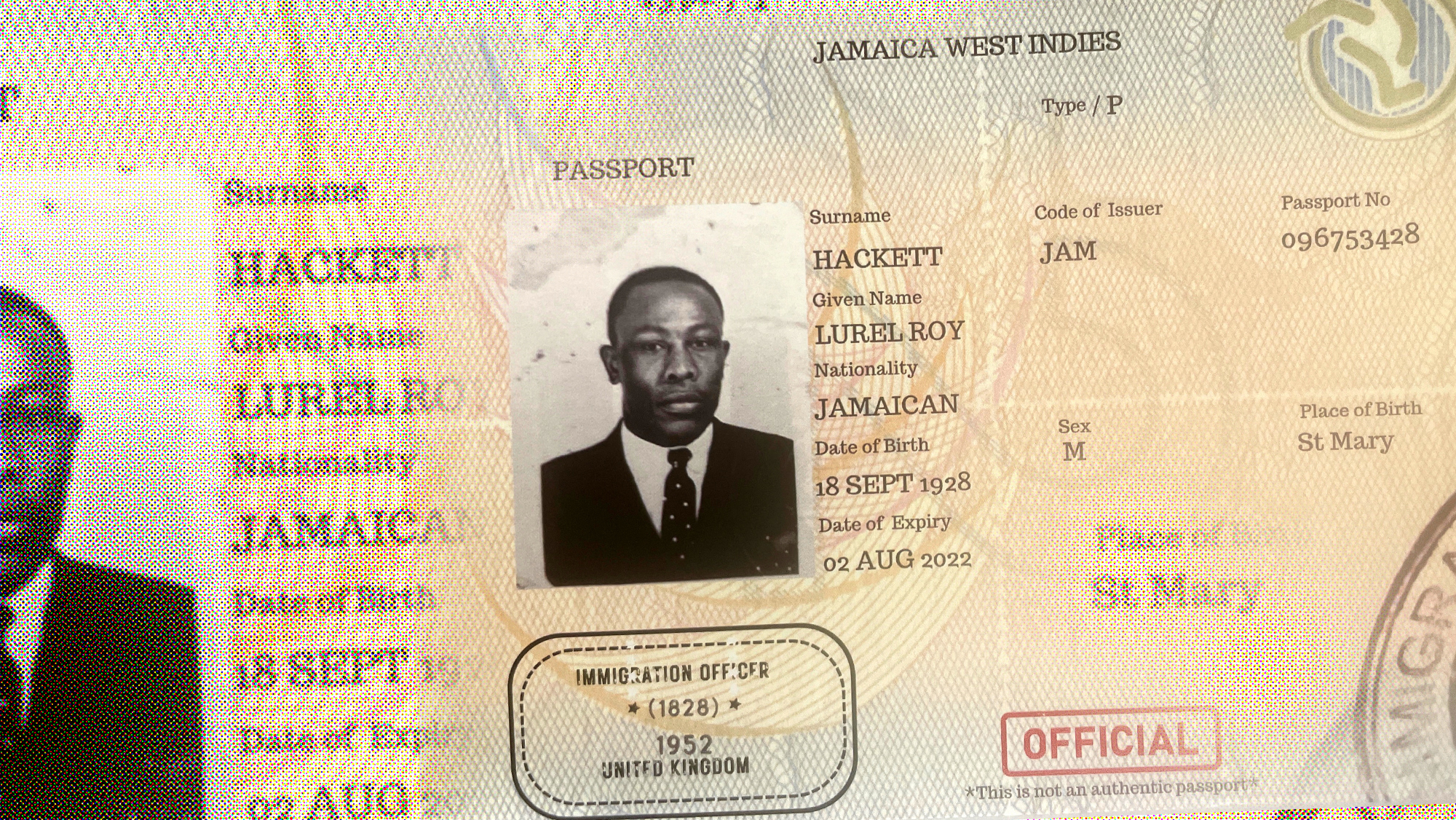
Passport
Roy Hackett’s Journey Continues Overseas
Roy came to the UK in October 1952. Whilst his first two children were born in Jamaica, his last child was born in the UK.
Before arriving in Bristol, he spent time living and working in various cities including Liverpool, Wolverhampton, Nottingham, London and Newport.
Whilst looking for a job, one employer told him that they "didn't employ Africans". Roy, although recognising his African heritage, said 'I'm British'. He told them he was born in Jamaica, which is part of the Commonwealth, making him British! Not only did Roy get the job, but he eventually ended up becoming the foreman, managing the all-white team.
Despite being employed all his life, his voluntary and campaigning work started when he recognised the inequality that existed in this country.
Roy came to the UK in October 1952. Whilst his first two children were born in Jamaica, his last child was born in the UK.
Before arriving in Bristol, he spent time living and working in various cities including Liverpool, Wolverhampton, Nottingham, London and Newport.
Whilst looking for a job, one employer told him that they "didn't employ Africans". Roy, although recognising his African heritage, said 'I'm British'. He told them he was born in Jamaica, which is part of the Commonwealth, making him British! Not only did Roy get the job, but he eventually ended up becoming the foreman, managing the all-white team.
Despite being employed all his life, his voluntary and campaigning work started when he recognised the inequality that existed in this country.
Opportunity Knocks
Roy arrived in Bristol in 1957. His background in Book Keeping and Accountancy meant finding a job should have been simple. However, British society was a *hostile environment for those from the Caribbean. Before the Race Relations Act there was no legal protection against discrimination.
The biggest challenge at that time was finding somewhere to stay. It was refusal after refusal and that's when a cold, dirty and exposing shop doorway on Ashley Road became inviting. It was his home for a night. That experience taught him something about himself - that he was tough and resilient but also that he didn't want anyone else to go through what he did whatever their colour.
*Hostile = unfriendly, unwelcoming.
Roy arrived in Bristol in 1957. His background in Book Keeping and Accountancy meant finding a job should have been simple. However, British society was a *hostile environment for those from the Caribbean. Before the Race Relations Act there was no legal protection against discrimination.
The biggest challenge at that time was finding somewhere to stay. It was refusal after refusal and that's when a cold, dirty and exposing shop doorway on Ashley Road became inviting. It was his home for a night. That experience taught him something about himself - that he was tough and resilient but also that he didn't want anyone else to go through what he did whatever their colour.
*Hostile = unfriendly, unwelcoming.

“Great Britain was not great to commonwealth people because we were a different colour. There was no rules about discrimination, they thought they could do anything and get away with it. I felt extremely degraded and thought ‘but what am I doing here?”
Roy Hackett
Roy Hackett
The Bristol Omnibus Company
In 1955 Bristol’s local bus company passed a resolution to ban people of colour from working on buses. Subsequently, bus crew of African, African Diaspora, or Asian descent were refused employment, most notably Guy Bailey.
When refused a job interview on the basis of his skin colour in 1961, the bus company’s racist policy was finally exposed by The Bristol Evening Post, however the company's manager Ian Patey defended it.
Ian Patey said his staff were not willing to work with ‘coloured labour’ except in the depots as maintenance workers. He argued the quality of Bristol’s Black workers was too low for the front-line jobs of drivers and conductors. He feared it was unsuitable for white bus conductresses to work with Black male drivers. Even the local council supported the policy.
In 1955 Bristol’s local bus company passed a resolution to ban people of colour from working on buses. Subsequently, bus crew of African, African Diaspora, or Asian descent were refused employment, most notably Guy Bailey.
When refused a job interview on the basis of his skin colour in 1961, the bus company’s racist policy was finally exposed by The Bristol Evening Post, however the company's manager Ian Patey defended it.
Ian Patey said his staff were not willing to work with ‘coloured labour’ except in the depots as maintenance workers. He argued the quality of Bristol’s Black workers was too low for the front-line jobs of drivers and conductors. He feared it was unsuitable for white bus conductresses to work with Black male drivers. Even the local council supported the policy.

The Commonwealth Coordinated Committee
In 1962 when Roy helped set up the Commonwealth Coordinated Committee or the CCC, with Guy Bailey. The aim was to challenge the establishments to combat Racism in the city. This committee was united with the West Indian Development Council and the West Indian Dramatic Society which he was already a part of. Eventually all three committees combined to become the Bristol West Indian Parents and Friends Association. He was soon joined by Owen Henry, Audley Evans and Prince Brown.
For over 50 years Roy held positions as Public Relations Officer, Treasurer, Secretary, Deputy Chair and Chair. It was the energy of this committee that changed race relations in Bristol and beyond. This committee was powerful, they acted and people reacted.
They Challenged, they Championed and they Campaigned.
In 1962 when Roy helped set up the Commonwealth Coordinated Committee or the CCC, with Guy Bailey. The aim was to challenge the establishments to combat Racism in the city. This committee was united with the West Indian Development Council and the West Indian Dramatic Society which he was already a part of. Eventually all three committees combined to become the Bristol West Indian Parents and Friends Association. He was soon joined by Owen Henry, Audley Evans and Prince Brown.
For over 50 years Roy held positions as Public Relations Officer, Treasurer, Secretary, Deputy Chair and Chair. It was the energy of this committee that changed race relations in Bristol and beyond. This committee was powerful, they acted and people reacted.
They Challenged, they Championed and they Campaigned.
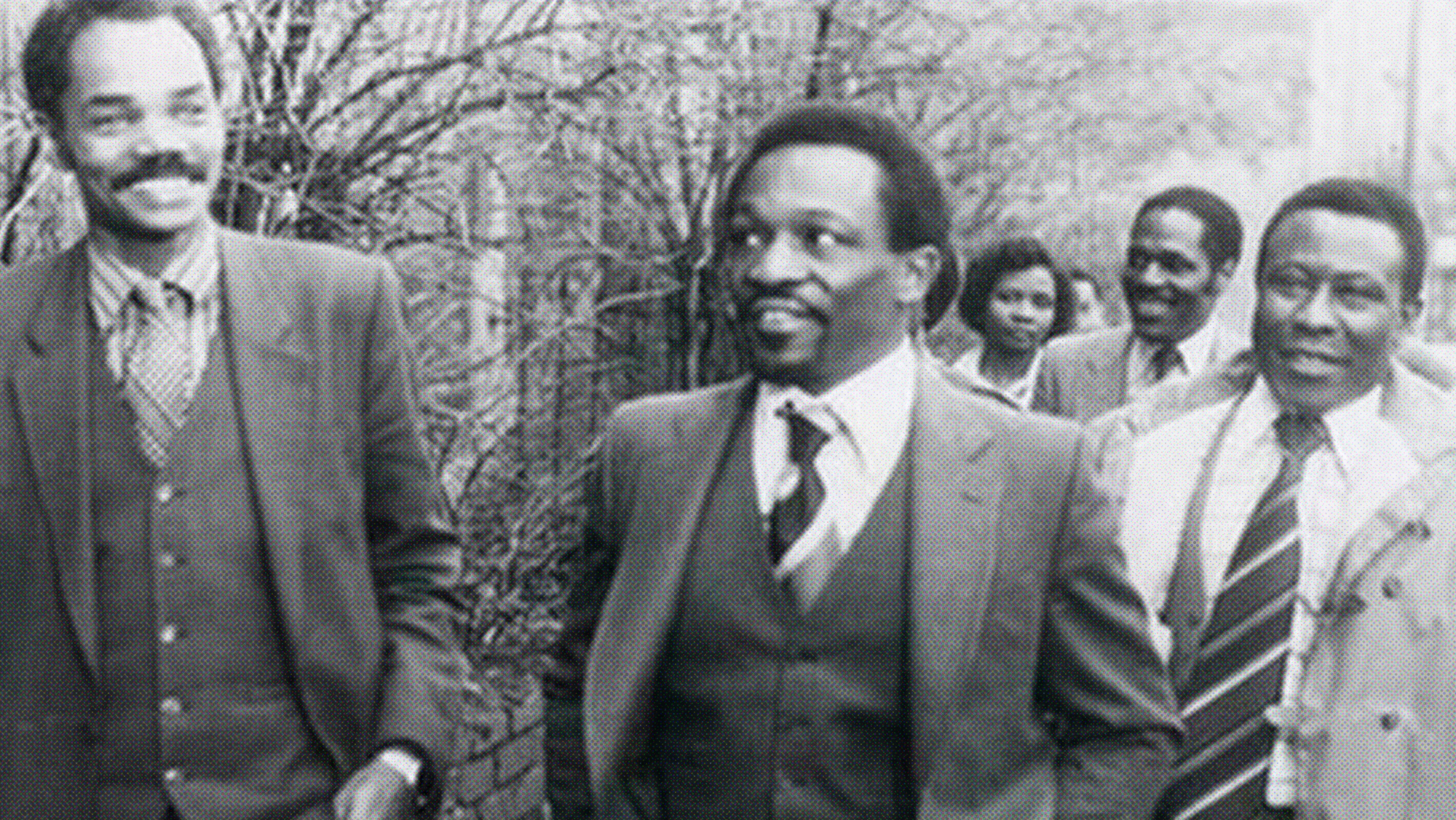
From left to right is Prince Brown, boxer Maurice Hope, Barbara Dettering, Maurice's brother and Roy Hackett.
The Bristol Bus Boycott
In 1962, Roy’s wife Ena applied for a job as a bus conductor. She was turned down despite meeting all the requirements of the post. Everyone assumed her colour was the disqualifying factor. At the time, there was no Race Relations Act, and employers could not be prosecuted for discriminating on racist grounds. But even in the early 1960s, Bristol's race bar on the buses stood out. Non-white drivers and conductors were a familiar sight across much of the UK.
Just 12 miles away in Bath, African and African Diaspora heritage people were working on buses. London Transport recruitment officers had travelled to Barbados specifically to invite workers to work for them. Yet discrimination in Bristol - a once major slave port, which still had multiple streets and landmarks named after the slave trader Edward Colston - loomed large. Hackett had had enough.
In 1962, Roy’s wife Ena applied for a job as a bus conductor. She was turned down despite meeting all the requirements of the post. Everyone assumed her colour was the disqualifying factor. At the time, there was no Race Relations Act, and employers could not be prosecuted for discriminating on racist grounds. But even in the early 1960s, Bristol's race bar on the buses stood out. Non-white drivers and conductors were a familiar sight across much of the UK.
Just 12 miles away in Bath, African and African Diaspora heritage people were working on buses. London Transport recruitment officers had travelled to Barbados specifically to invite workers to work for them. Yet discrimination in Bristol - a once major slave port, which still had multiple streets and landmarks named after the slave trader Edward Colston - loomed large. Hackett had had enough.
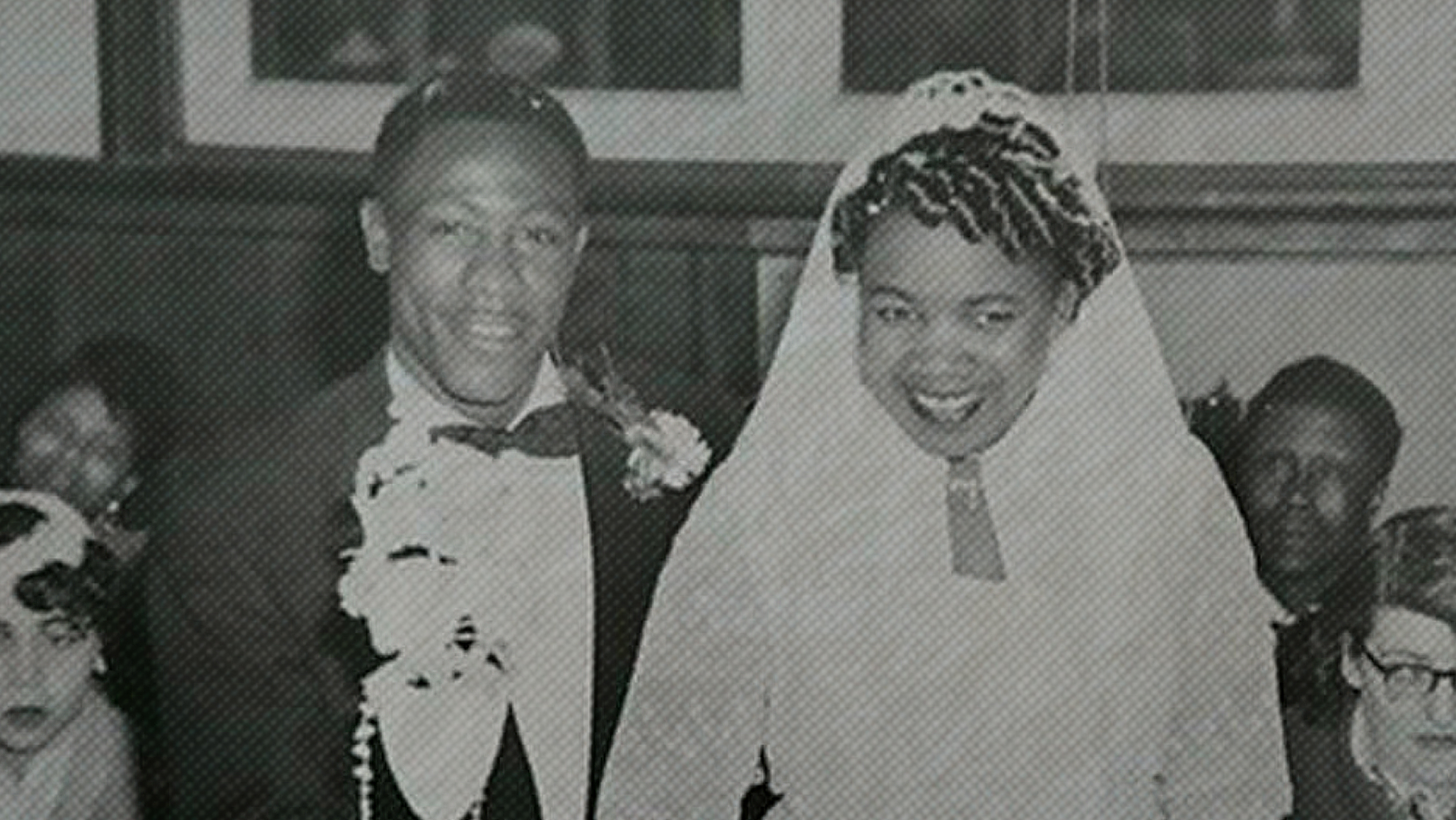
Roy and Ena’s wedding

The Bristol Bus Boycott
This led to one of the biggest UK campaigns of all time, the Bristol Bus Boycott of 1963, with Roy up front and Dr Paul Stephenson as the spokesperson, not forgetting Guy Reid Bailey (who applied for the job), Owen Henry, Delroy Douglas, Audley Evans, Cliff Drummond, Bill Williams and Jim Williams.
The Bristol Bus Boycott campaign motivated people of the windrush generation to stand against the blatant racism. Campaigners collaborated, in homes and in community centres.
People refused to travel on the buses. They walked, begged lifts and showed their rebellion peacefully. Some people lay on the road in protest, including Roy.
This led to one of the biggest UK campaigns of all time, the Bristol Bus Boycott of 1963, with Roy up front and Dr Paul Stephenson as the spokesperson, not forgetting Guy Reid Bailey (who applied for the job), Owen Henry, Delroy Douglas, Audley Evans, Cliff Drummond, Bill Williams and Jim Williams.
The Bristol Bus Boycott campaign motivated people of the windrush generation to stand against the blatant racism. Campaigners collaborated, in homes and in community centres.
People refused to travel on the buses. They walked, begged lifts and showed their rebellion peacefully. Some people lay on the road in protest, including Roy.
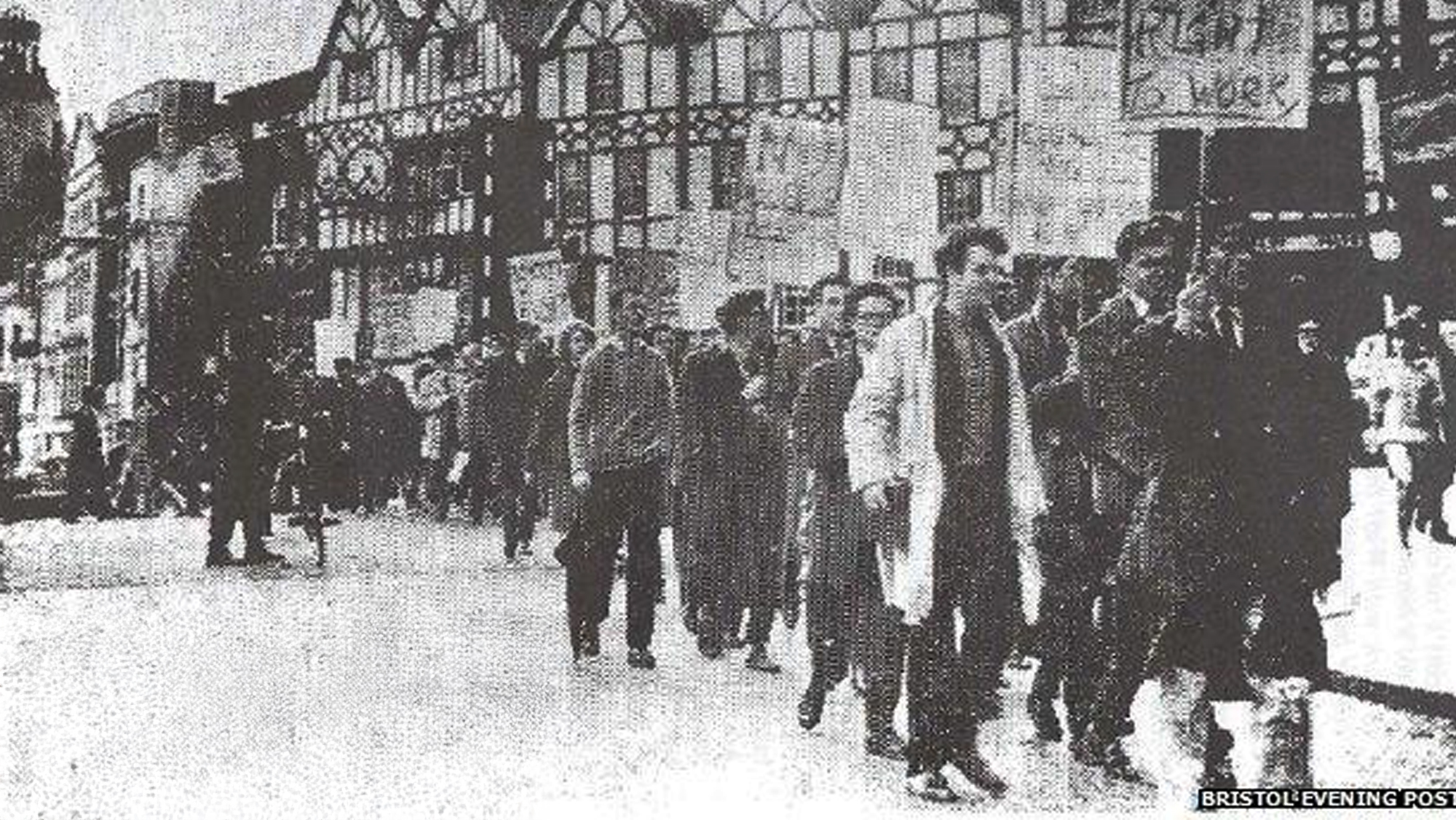
Bristol Bus Boycott protest
The Bristol Bus Boycott
The Boycott got the attention of Harold Wilson, leader of the Labour Party on board, who later became Prime Minister. Tony Benn MP for Bristol South East got involved and other high profile people including Sir Learly Constintine. Alongside support from the whole community including Bristol University and other organisations, the Bristol Omnibus Company came to a stop and fell to its knees.
The protest proved successful and the ban was lifted. It was announced on the day Dr King delivered his ‘I Have a Dream’ speech.
The boycott went on for almost 4 weeks and gained international attention. This triggered the first Race Relations act of 1965, making it a criminal act to discriminate on the grounds of race or ethnic origin. Roy was part of the movement that made history.
The Boycott got the attention of Harold Wilson, leader of the Labour Party on board, who later became Prime Minister. Tony Benn MP for Bristol South East got involved and other high profile people including Sir Learly Constintine. Alongside support from the whole community including Bristol University and other organisations, the Bristol Omnibus Company came to a stop and fell to its knees.
The protest proved successful and the ban was lifted. It was announced on the day Dr King delivered his ‘I Have a Dream’ speech.
The boycott went on for almost 4 weeks and gained international attention. This triggered the first Race Relations act of 1965, making it a criminal act to discriminate on the grounds of race or ethnic origin. Roy was part of the movement that made history.

Western Daily Press, Thursday 29th August 1963
The Bristol Bus Boycott Legacy
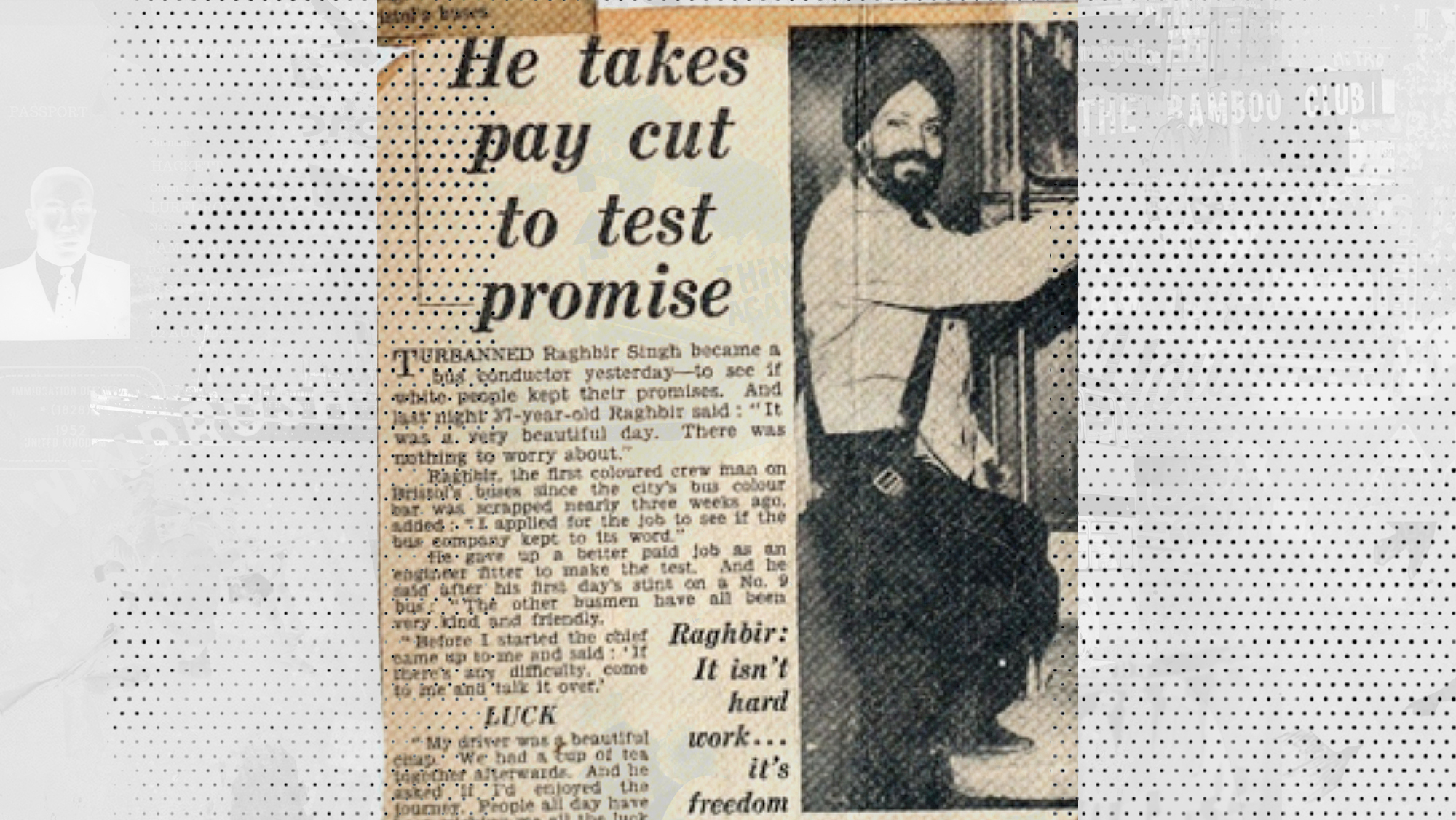
On 17 September, Raghbir Singh, a Sikh, became Bristol’s first non-white bus conductor. A few days later two Jamaican and two Pakistani men joined him.
The Bristol Bus Boycott demonstrated the power and impact ordinary individuals can have against social injustice. It also illustrated the power of communities. On 6 May 1963 they held what some believed was the first black-led march against racial discrimination in the United Kingdom which gathered between 50 to 200 people. As people took to the streets, including many of University of Bristol students, in support of the boycott people and their voices inspired real change.
Hackett and his colleagues shifted the narrative; instead of enacting change from within the system, they stepped out, spoke up, made their own system and encouraged others to do the same. By beginning with critical discussions, and carrying on into action change ensued. As demonstrated by the campaign inspiring the Race Relations Act of 1965.
On 17 September, Raghbir Singh, a Sikh, became Bristol’s first non-white bus conductor. A few days later two Jamaican and two Pakistani men joined him.
The Bristol Bus Boycott demonstrated the power and impact ordinary individuals can have against social injustice. It also illustrated the power of communities. On 6 May 1963 they held what some believed was the first black-led march against racial discrimination in the United Kingdom which gathered between 50 to 200 people. As people took to the streets, including many of University of Bristol students, in support of the boycott people and their voices inspired real change.
Hackett and his colleagues shifted the narrative; instead of enacting change from within the system, they stepped out, spoke up, made their own system and encouraged others to do the same. By beginning with critical discussions, and carrying on into action change ensued. As demonstrated by the campaign inspiring the Race Relations Act of 1965.

Roy Hackett’s Journey Continues
The 60's revolution continued with Roy helping to bring the Racial Equality Council to Bristol in 1965. He was part of the committee that started St Paul's Carnival in 1968. A way to say thanks to the existing community and also a way to say 'Hey, this is us and we are here to stay'.
Roy Hackett was a chairman of the committee of the legendary Bamboo Club. The Bamboo Club was a licenced venue in St. Paul's, Bristol, from 1966 to 1977. It was the first club in Bristol to serve the West Indian community, yet it brought everyone together regardless of class or race. The club playing host to Reggae and Soul music superstars as well as local musicians throughout the sixties and seventies.The Bamboo Club hosted acts such as Bob Marley, Jimmy Cliff, The Wailers, Tina Turner and Ben E. King.
In the 70's, Roy worked as a social worker for young people. He had a passion for our future generations and believed in young people. He was part of a team that arranged exchange visits to Jamaica, France, Belgium, Germany and Austria. His vision was to widen their horizons and recognise that the world belongs to us all.
The 60's revolution continued with Roy helping to bring the Racial Equality Council to Bristol in 1965. He was part of the committee that started St Paul's Carnival in 1968. A way to say thanks to the existing community and also a way to say 'Hey, this is us and we are here to stay'.
Roy Hackett was a chairman of the committee of the legendary Bamboo Club. The Bamboo Club was a licenced venue in St. Paul's, Bristol, from 1966 to 1977. It was the first club in Bristol to serve the West Indian community, yet it brought everyone together regardless of class or race. The club playing host to Reggae and Soul music superstars as well as local musicians throughout the sixties and seventies.The Bamboo Club hosted acts such as Bob Marley, Jimmy Cliff, The Wailers, Tina Turner and Ben E. King.
In the 70's, Roy worked as a social worker for young people. He had a passion for our future generations and believed in young people. He was part of a team that arranged exchange visits to Jamaica, France, Belgium, Germany and Austria. His vision was to widen their horizons and recognise that the world belongs to us all.

Roy Hackett’s Journey Continues
During the struggles within the African and African diaspora community in Bristol, Roy never stopped fighting for racial equality. From the time Roy got his first job, he was never out of work. He was employed until the day he retired as a Social Worker with Avon Social Services in 1993
Over the years Roy was a board member for various organisations including St Werburghs Community Centre, which was a special place for him. His involvement with *VOSCUR and The Care Forum span 30 years.
*VOSCUR = Voluntary Organisations Standing Conference on Urban Regeneration
During the struggles within the African and African diaspora community in Bristol, Roy never stopped fighting for racial equality. From the time Roy got his first job, he was never out of work. He was employed until the day he retired as a Social Worker with Avon Social Services in 1993
Over the years Roy was a board member for various organisations including St Werburghs Community Centre, which was a special place for him. His involvement with *VOSCUR and The Care Forum span 30 years.
*VOSCUR = Voluntary Organisations Standing Conference on Urban Regeneration

The 2014 unveiling of Plaque to mark Bristol’s successful fight for equality in 1963 Bus Boycott campaign, took place at Bristol Bus Station. L/R: Dr Paul Stephenson OBS, Guy Bailey OBE and Dr Roy Hackett MBE
Achievements, Acknowledgements and Apologies
In 1993 Roy Hackett was given an award for his outstanding contribution to his community from the Jamaican High Commissioner. The award symboloises national recognition and acknowledgement of Roy’s achievements.
In 1993 Roy also received Maundy Money from the Queen who came to Bristol Cathedral in recognition of his work.
Roy recieved an apology from the Transport Union UNITE, who said 'sorry' for excluding Black people from working on the buses. The apology came 50 years after the Bristol Bus Boycott campaign.
In 1993 Roy Hackett was given an award for his outstanding contribution to his community from the Jamaican High Commissioner. The award symboloises national recognition and acknowledgement of Roy’s achievements.
In 1993 Roy also received Maundy Money from the Queen who came to Bristol Cathedral in recognition of his work.
Roy recieved an apology from the Transport Union UNITE, who said 'sorry' for excluding Black people from working on the buses. The apology came 50 years after the Bristol Bus Boycott campaign.
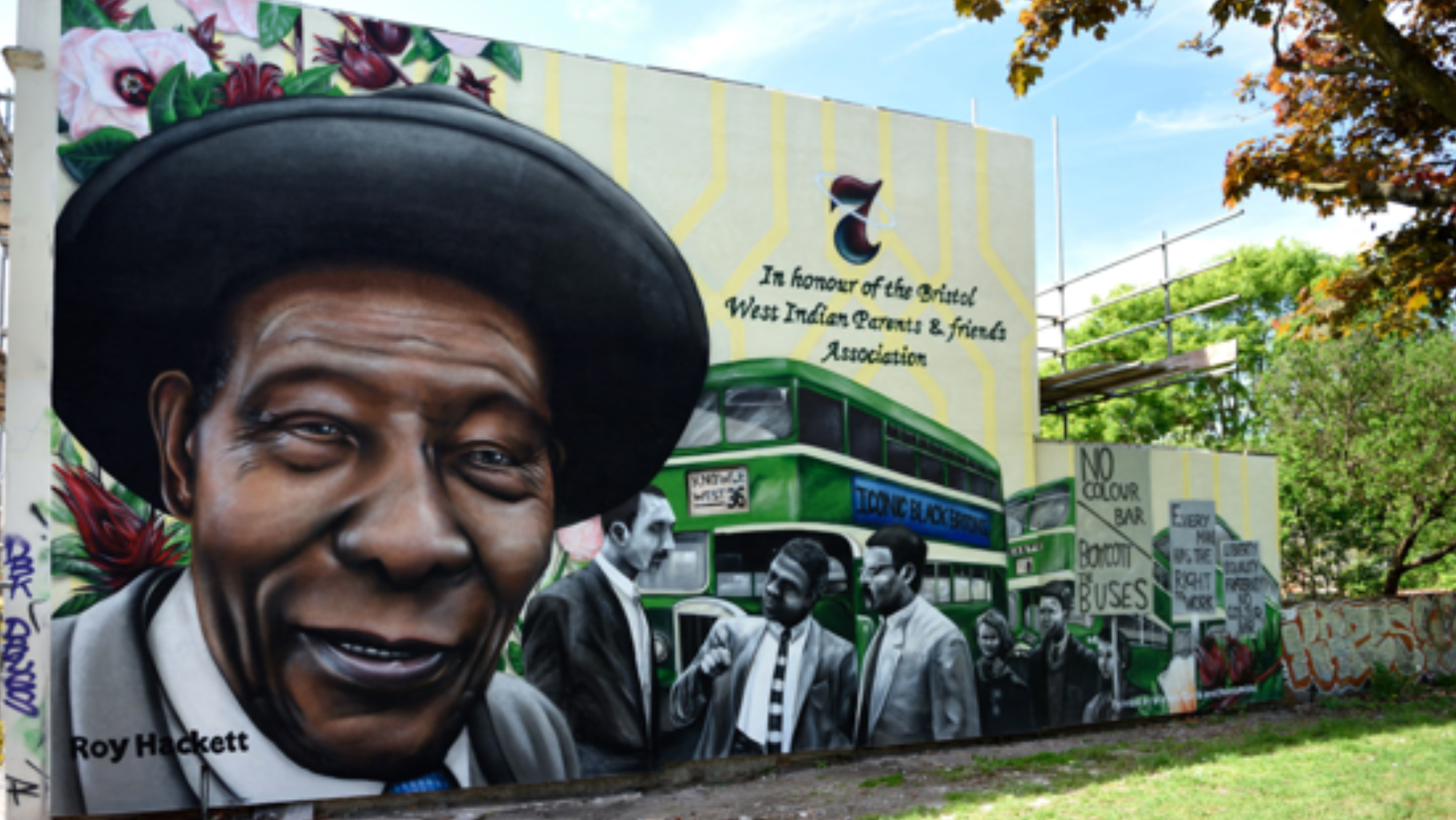
One of the Seven Saints of St Paul’s murals, created by Michelle Curtis. Painted by The Paintsmiths in 2019
Achievements, Acknowledgements and Apologies
In 2020 a Member of the Order of the British Empire (MBE) is an award given by the Monarch to individuals for their outstanding service to the community or local 'hands on' service which Roy received from Queen Elizabeth II.
In 2021 American Popstar Will.i.am requested personally to meet with Roy Hackett for his programme called “The Black Print”, because of his work as a civil rights activist. He told Roy that he is a living legend and he felt like he was meeting Martin Luther King, he was truly honoured to meet him.
In 2020 a Member of the Order of the British Empire (MBE) is an award given by the Monarch to individuals for their outstanding service to the community or local 'hands on' service which Roy received from Queen Elizabeth II.
In 2021 American Popstar Will.i.am requested personally to meet with Roy Hackett for his programme called “The Black Print”, because of his work as a civil rights activist. He told Roy that he is a living legend and he felt like he was meeting Martin Luther King, he was truly honoured to meet him.

Roy Hackett receives his MBE
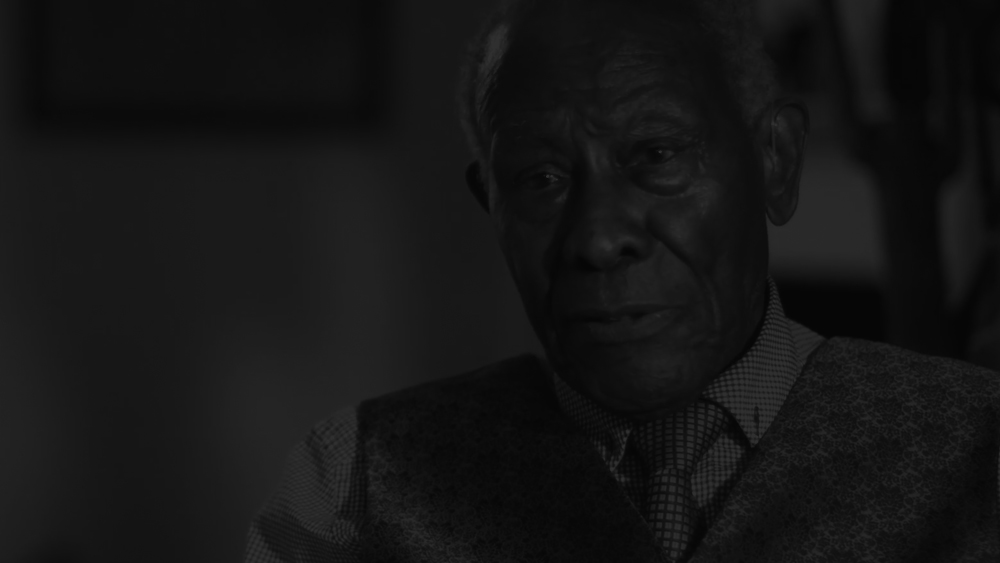
Roy Hacket
Watch: Why I'm still fighting racism at 90
PLAY
Watch: Why I'm still fighting racism at 90
PLAY
Later Years
In his later years, Roy developed dementia, but nevertheless continued attending City Hall for the celebration and commemoration of Windrush Memorial Day.
Roy Hackett was a man of principle and pride; a pioneer and trailblazer; a strategist; a smart dresser with his cool hat and waistcoat. A calm and dignified presence; a peace maker, a freedom fighter, a man with a unique social and moral compass, a dignified and elegant gentleman.
Roy never stopped working for justice and equity for all. If we have learned anything from him, we will not stop either. His legacy will live on.
“I was born an activist and it was my duty to challenge racism whenever i saw it ”- Roy Hackett
In his later years, Roy developed dementia, but nevertheless continued attending City Hall for the celebration and commemoration of Windrush Memorial Day.
Roy Hackett was a man of principle and pride; a pioneer and trailblazer; a strategist; a smart dresser with his cool hat and waistcoat. A calm and dignified presence; a peace maker, a freedom fighter, a man with a unique social and moral compass, a dignified and elegant gentleman.
Roy never stopped working for justice and equity for all. If we have learned anything from him, we will not stop either. His legacy will live on.
“I was born an activist and it was my duty to challenge racism whenever i saw it ”- Roy Hackett
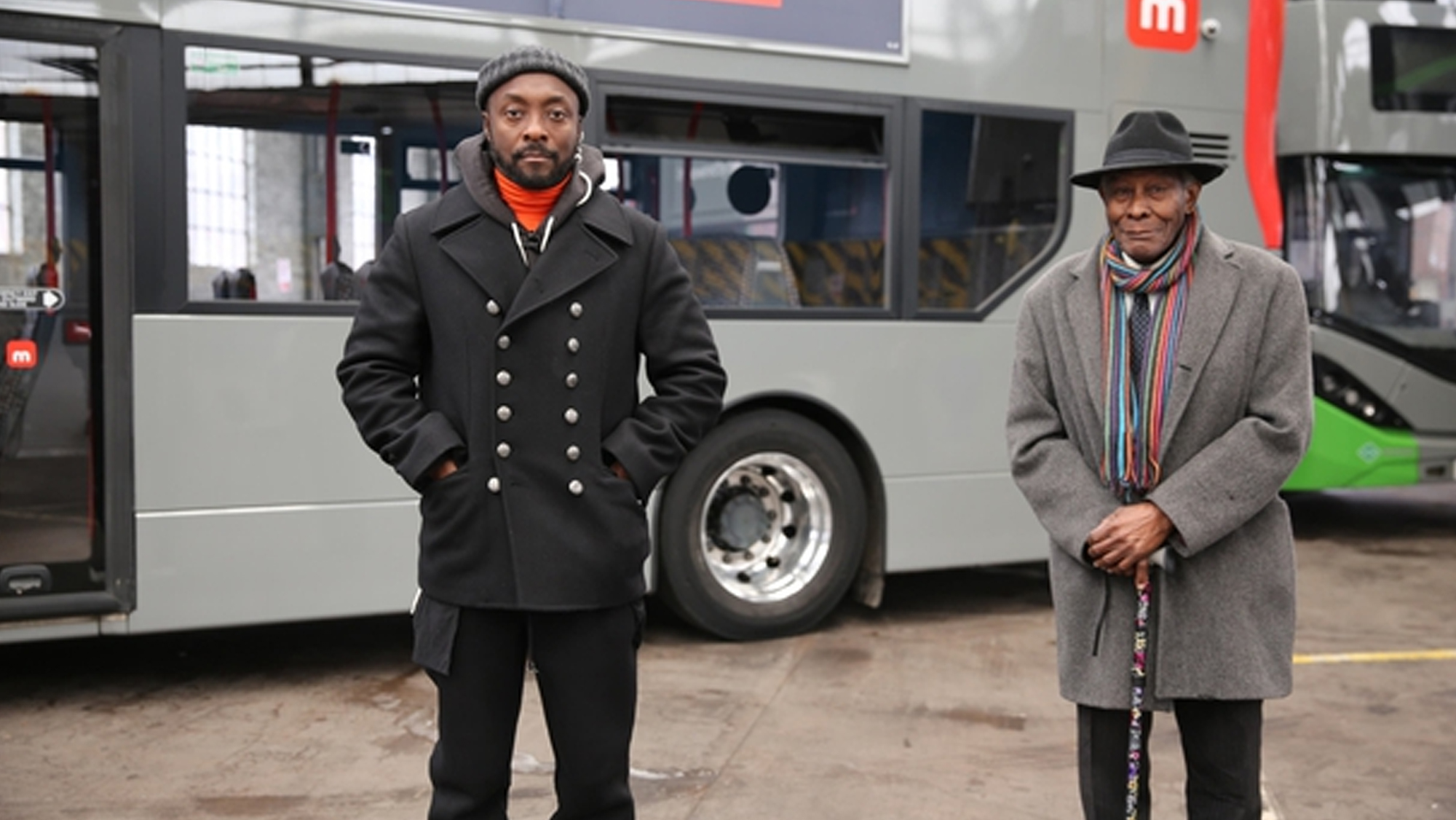
Will.i.am met with Roy for new ITV documentary ‘The Blackprint’
Posthumous acknowledgements
Roy was awarded an honorary Doctorate of letters from the University of Bristol at his funeral. Although known by his community, friends and family members as Roy Hackett, his official title was Dr Lurel Roy Hackett MBE.
Roy was *posthumously awarded Freedom of the City in November 2022 alongside Guy Bailey, Barbara Dettering, Owen Henry, Audley Evans and Prince Brown in recognition of their help in coordinating the Bristol Bus Boycott of 1963. The award is given by a local council to a person in recognition of their exceptional service to the city.
*posthumously = after the death of the originator.
Roy was awarded an honorary Doctorate of letters from the University of Bristol at his funeral. Although known by his community, friends and family members as Roy Hackett, his official title was Dr Lurel Roy Hackett MBE.
Roy was *posthumously awarded Freedom of the City in November 2022 alongside Guy Bailey, Barbara Dettering, Owen Henry, Audley Evans and Prince Brown in recognition of their help in coordinating the Bristol Bus Boycott of 1963. The award is given by a local council to a person in recognition of their exceptional service to the city.
*posthumously = after the death of the originator.

Photo by Garfield McKenzie

Photo by Garfield McKenzie
A Message From Roy
“Always try your best and make the most of your education. Education is a way of proving that you can do well and it also enables you to develop. Think about your own future children and how to make a better place for them too”.
“Always try your best and make the most of your education. Education is a way of proving that you can do well and it also enables you to develop. Think about your own future children and how to make a better place for them too”.
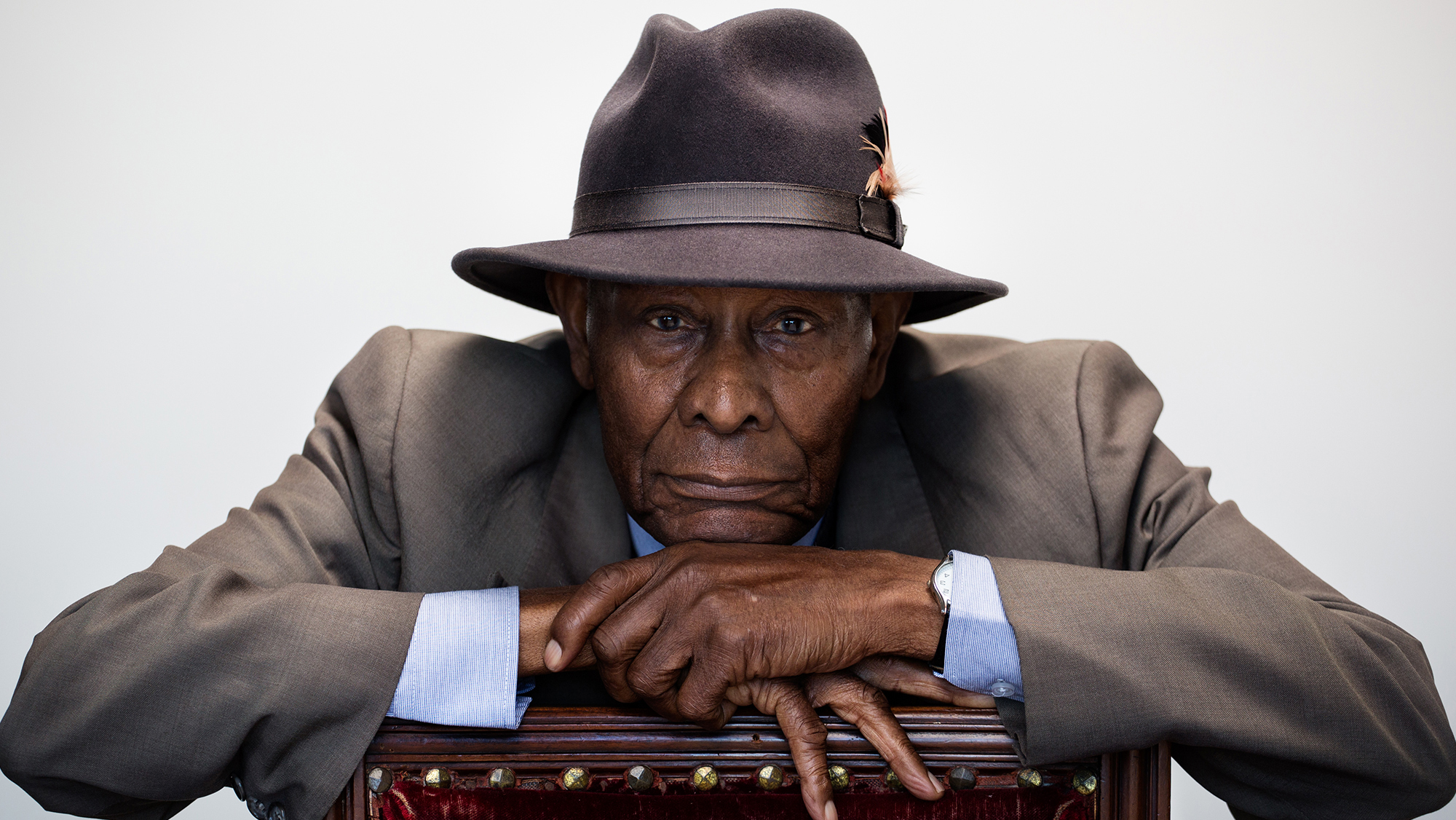
Photo by Garfield McKenzie
We would like to thank the family of Dr Lurel Roy Hackett MBE for kindly contributing to this lesson.
We would also like to thank Sherrie Eugene-Hart for allowing us to use extracts from her eulogy.
Finally, we would like to thank Roy Hackett for showing us all who we could be.
We would also like to thank Sherrie Eugene-Hart for allowing us to use extracts from her eulogy.
Finally, we would like to thank Roy Hackett for showing us all who we could be.
Add a comment.
Please let us know your thoughts.
Choose your Avatar
I AM NOT A ROBOT
SUBMIT

"I would have loved to have seen things differently when I was younger."
Tom Simplson

"We’re slowly trying to find it ourselves, Because it was lacked in the curriculum"
A Student

"It's incredible that his history still hasn't been given a fair representation,"
Lawrence Hoo
"It has become a tsunami of enlightenment and information"
A Student
Please let us know your thoughts.
Choose your Avatar
I AM NOT A ROBOT
SUBMIT
"I would have loved to have seen things differently when I was younger."
Tom Simplson
"We’re slowly trying to find it ourselves, Because it was lacked in the curriculum"
A Student
"It's incredible that his history still hasn't been given a fair representation,"
Lawrence Hoo
"It has become a tsunami of enlightenment and information"
A Student