

Loading Lesson
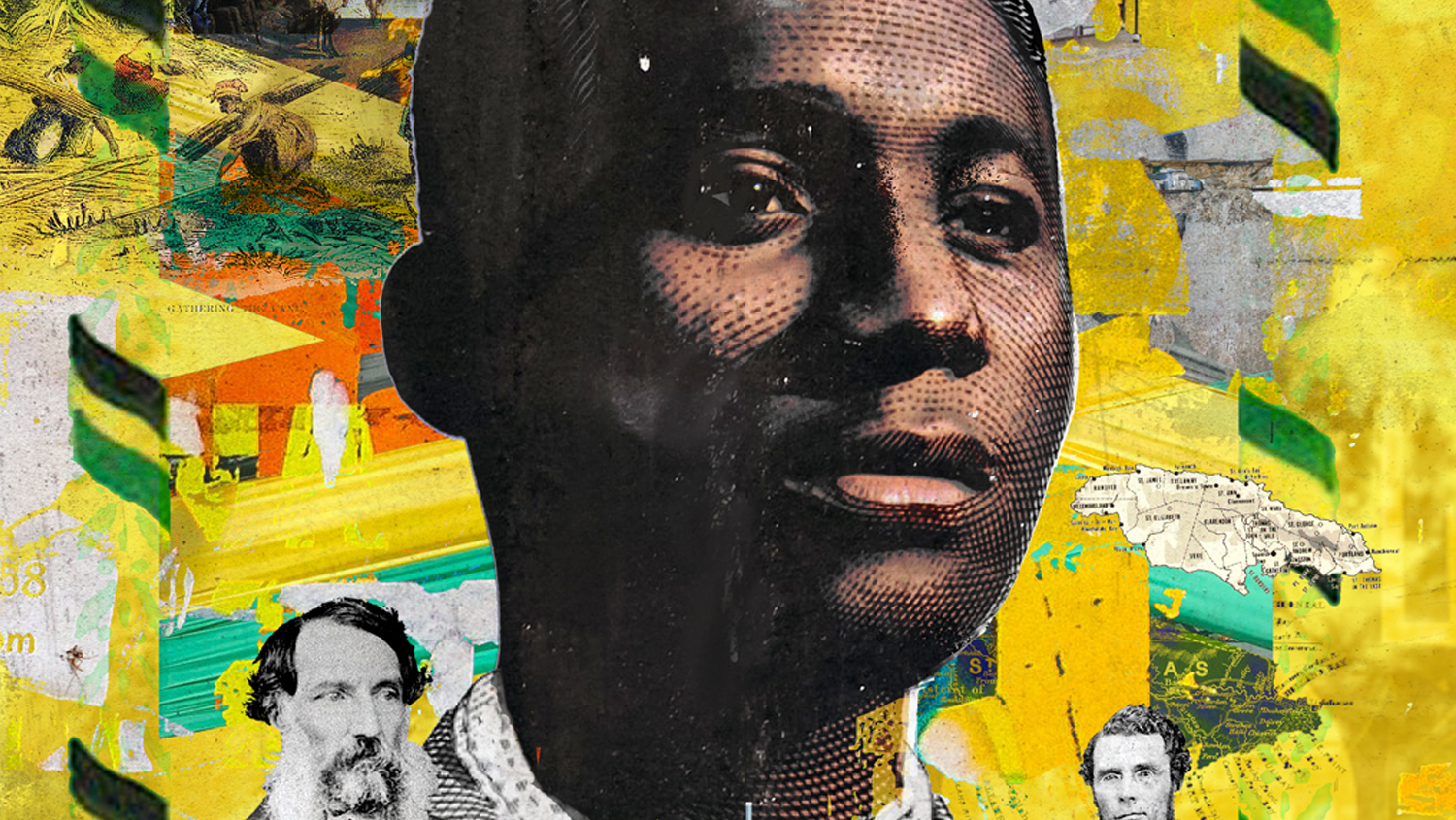

Jamaica: A Brief Introduction
The Caribbean island of Jamaica was originally inhabited by the Redware people, the Caribs, and the Arawak group of indigenous peoples including the Taíno people. The island was named “Xaynaca” by its early inhabitants, which meant “land of wood and water”. Christopher Columbus is believed to have been the first European to reach Xaynaca in 1494, after which it was colonised* by the Spanish. The Spanish changed the name of the island to “Jamaica”.
The Spanish enslaved Arawak people and some historians believe that by 1602 the Arawak people were extinct. However, some had escaped the Spanish and settled in the mountainous regions of Jamaica. The Spanish also enslaved people from West Africa and transported them to the island.
* Colonised = To settle among a take control over a land and its indigenous people, often through forceful means.
* Enslave = To cause someone to lose their freedom of choice and action; slave.

The Caribbean island of Jamaica was originally inhabited by the Redware people, the Caribs, and the Arawak group of indigenous peoples including the Taíno people. The island was named “Xaynaca” by its early inhabitants, which meant “land of wood and water”. Christopher Columbus is believed to have been the first European to reach Xaynaca in 1494, after which it was colonised* by the Spanish. The Spanish changed the name of the island to “Jamaica”.
The Spanish enslaved Arawak people and some historians believe that by 1602 the Arawak people were extinct. However, some had escaped the Spanish and settled in the mountainous regions of Jamaica. The Spanish also enslaved people from West Africa and transported them to the island.
* Colonised = To settle among a take control over a land and its indigenous people, often through forceful means.
* Enslave = To cause someone to lose their freedom of choice and action; slave.
Jamaica: A Brief Introduction
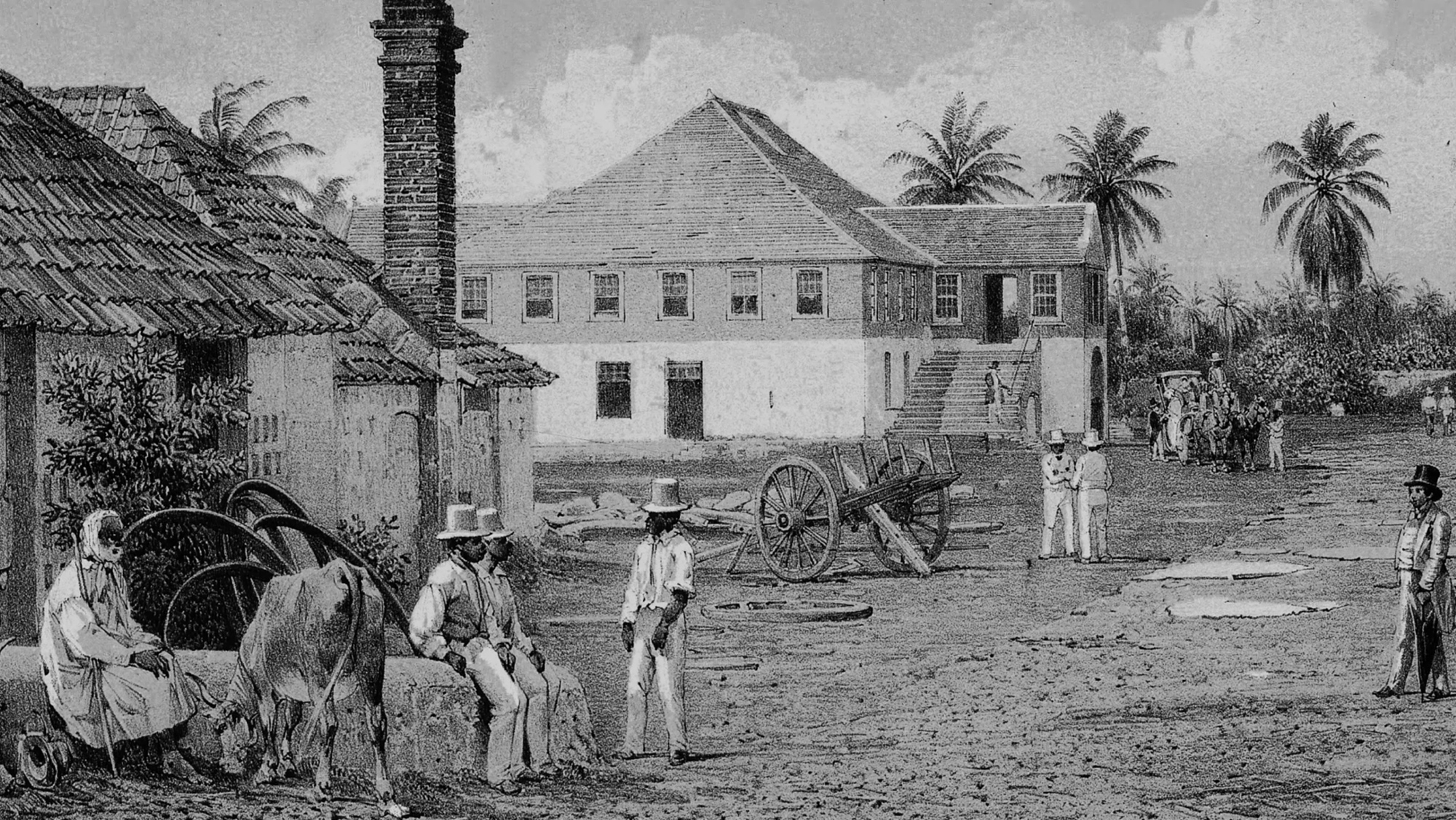
In 1655 the English invaded Jamaica and defeated the Spanish to claim Jamaica as their colony*. The sugar cane industry replaced piracy as British Jamaica’s main source of income. Enslaved people were forced to work without rest or pay, and regularly abused.
* Colony = A country that is controlled politically by another country.
In 1655 the English invaded Jamaica and defeated the Spanish to claim Jamaica as their colony*. The sugar cane industry replaced piracy as British Jamaica’s main source of income. Enslaved people were forced to work without rest or pay, and regularly abused.
* Colony = A country that is controlled politically by another country.
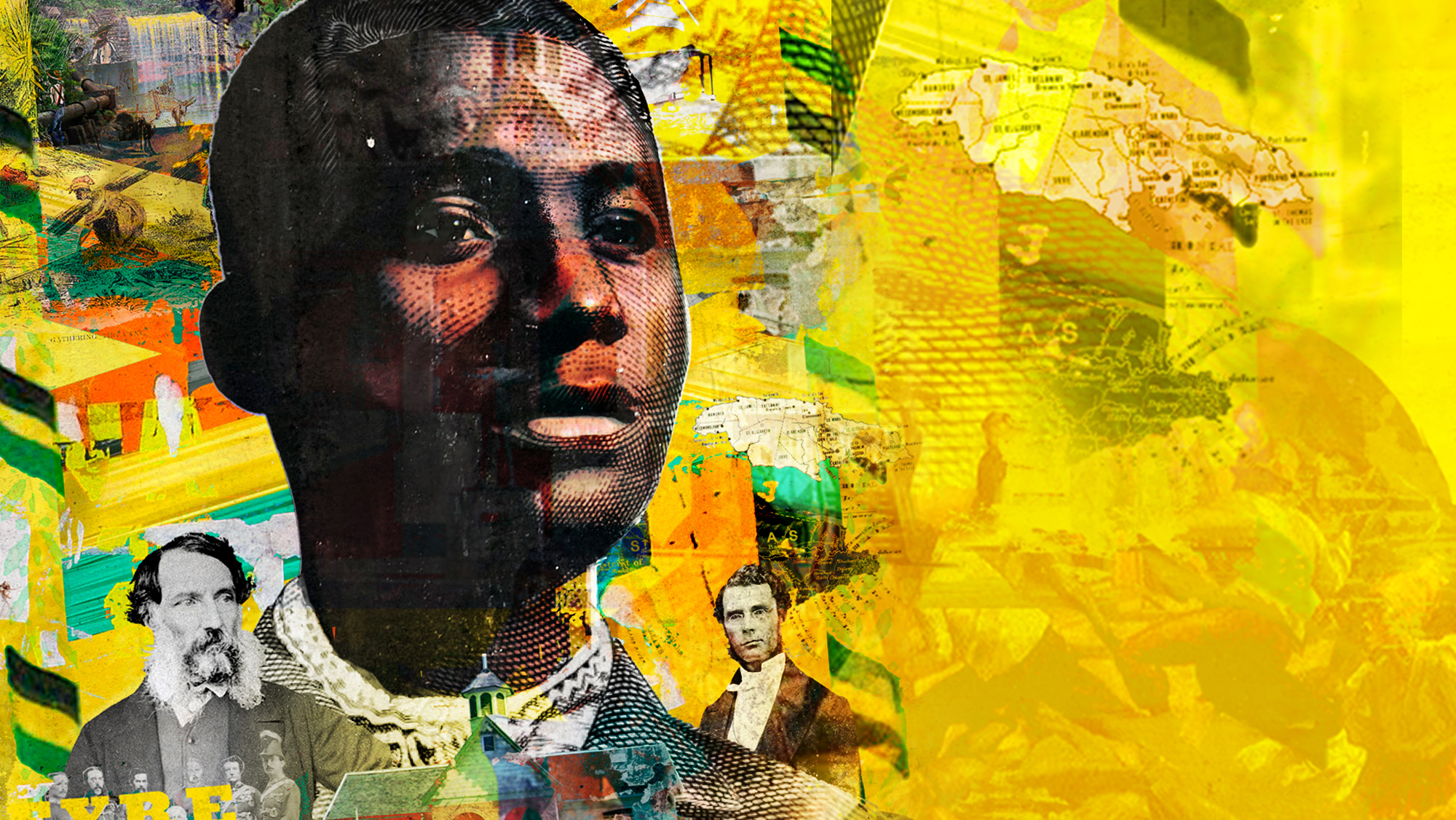
Today I stand here a victim, but the truth is I’ll never die
ENQUIRY QUESTION:
Why it is important who tells the story?
REBEL
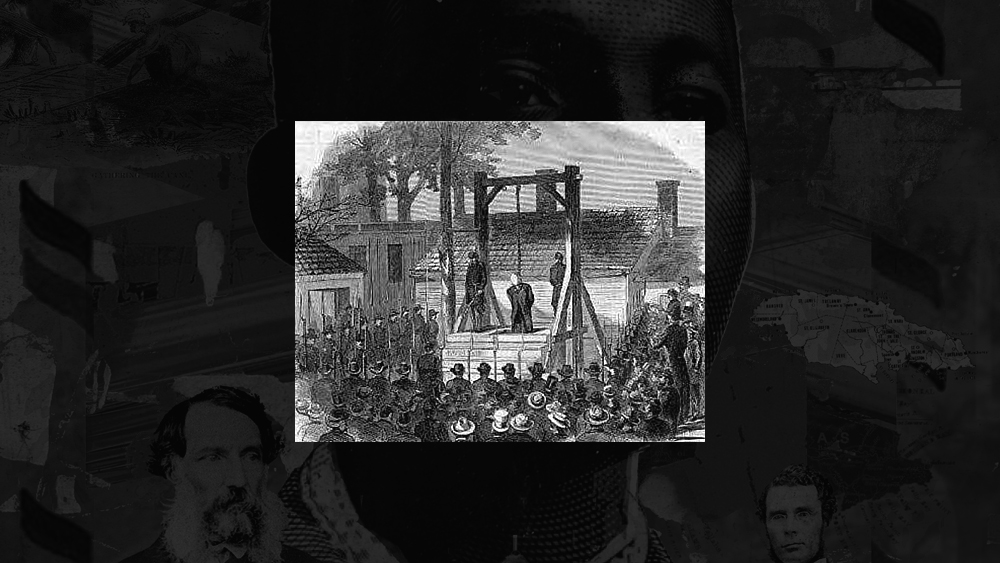
After leading the Morant Bay rebellion, Paul Bogle was captured by government troops, tried and convicted of being a rebel by British authorities under martial law, and hanged on 24 October 1865 in the Morant Bay court house.
Prior to his execution, Paul Bogle’s final words to Governor Eyre were:
“Today I stand here a victim, but the truth is I’ll never die.”
HERO
Paul Bogle was honoured with the Order of the National Hero in 1969. His face also appeared on the Jamaican $2 note, which was withdrawn from circulation in 1999. His face is now on the 10cent coin. He is referred to in popular Jamaican music and literature.
The Morant Bay rebellion turned out to be one of the defining points in Jamaica's struggle for both political and economic enhancement. Paul Bogle’s actions ultimately achieved their objectives and paved the way for new attitudes.
Why it is important who tells the story?
REBEL
After leading the Morant Bay rebellion, Paul Bogle was captured by government troops, tried and convicted of being a rebel by British authorities under martial law, and hanged on 24 October 1865 in the Morant Bay court house.
Prior to his execution, Paul Bogle’s final words to Governor Eyre were:
“Today I stand here a victim, but the truth is I’ll never die.”
HERO
Paul Bogle was honoured with the Order of the National Hero in 1969. His face also appeared on the Jamaican $2 note, which was withdrawn from circulation in 1999. His face is now on the 10cent coin. He is referred to in popular Jamaican music and literature.
The Morant Bay rebellion turned out to be one of the defining points in Jamaica's struggle for both political and economic enhancement. Paul Bogle’s actions ultimately achieved their objectives and paved the way for new attitudes.
Father Bogle
Listen to the following poem: Father Bogle
Written by Lawrence Hoo, Performed by Zed Regal
PLAY
Listen to the following poem: Father Bogle
Written by Lawrence Hoo, Performed by Zed Regal
PLAY
Paul Bogle - Unlikely Hero
Paul Bogle was a Preacher, who was tried under martial law for leading a rebellion in Morant Bay and executed. So who was he, and why is he now celebrated as a hero in Jamaican culture today?
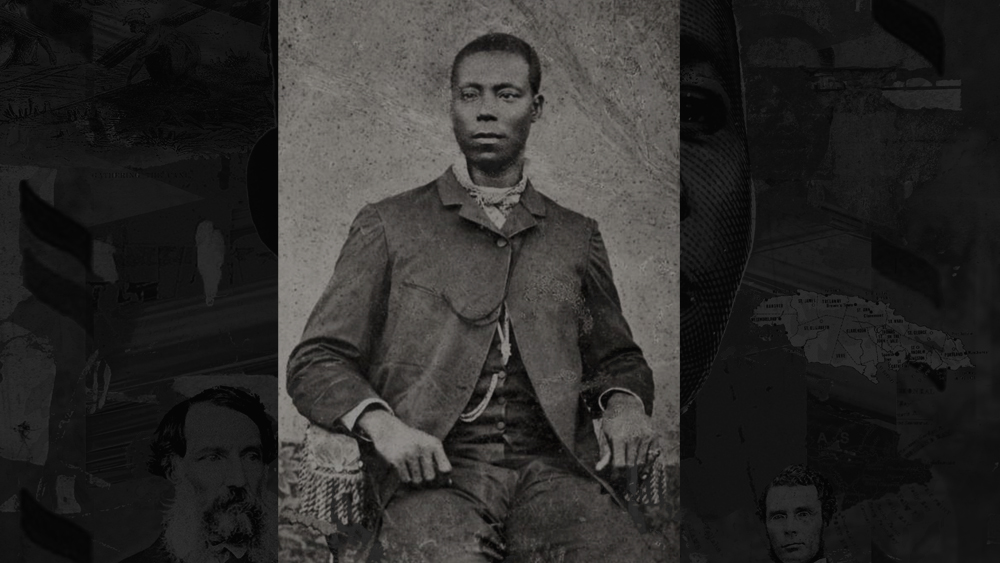
Bogle was born in c.1822 in Stony Gut, Jamaica in the parish of St. Thomas. In 1807 the slave trade was made illegal however enslaved people and their children were still classed as property in Jamaica until 1834, so Bogle grew up during a time of transition.
He grew up on a plantation, and even as a young boy he cared for those around him, and stood out as a leader amongst the children he grew up with. As a boy when the militia came looking for runaway slaves and took the adults of the village away, he looked after the rest of the children by organising them to make food and sing hymns until the adults came back.
The community of Stony Gut was made up of small farmers. Bogle started as a small farmer but was a smart businessman and went on to acquire 500 acres of land. As an educated wealthy landowner Bogle was one of only 106 persons on the voters list – so he also had influence. Unlike many Jamaicans of African descent he was able to both read and write and afford the hefty fee to be able to vote. He became a Baptist Deacon.
Paul Bogle was a Preacher, who was tried under martial law for leading a rebellion in Morant Bay and executed. So who was he, and why is he now celebrated as a hero in Jamaican culture today?
Bogle was born in c.1822 in Stony Gut, Jamaica in the parish of St. Thomas. In 1807 the slave trade was made illegal however enslaved people and their children were still classed as property in Jamaica until 1834, so Bogle grew up during a time of transition.
He grew up on a plantation, and even as a young boy he cared for those around him, and stood out as a leader amongst the children he grew up with. As a boy when the militia came looking for runaway slaves and took the adults of the village away, he looked after the rest of the children by organising them to make food and sing hymns until the adults came back.
The community of Stony Gut was made up of small farmers. Bogle started as a small farmer but was a smart businessman and went on to acquire 500 acres of land. As an educated wealthy landowner Bogle was one of only 106 persons on the voters list – so he also had influence. Unlike many Jamaicans of African descent he was able to both read and write and afford the hefty fee to be able to vote. He became a Baptist Deacon.
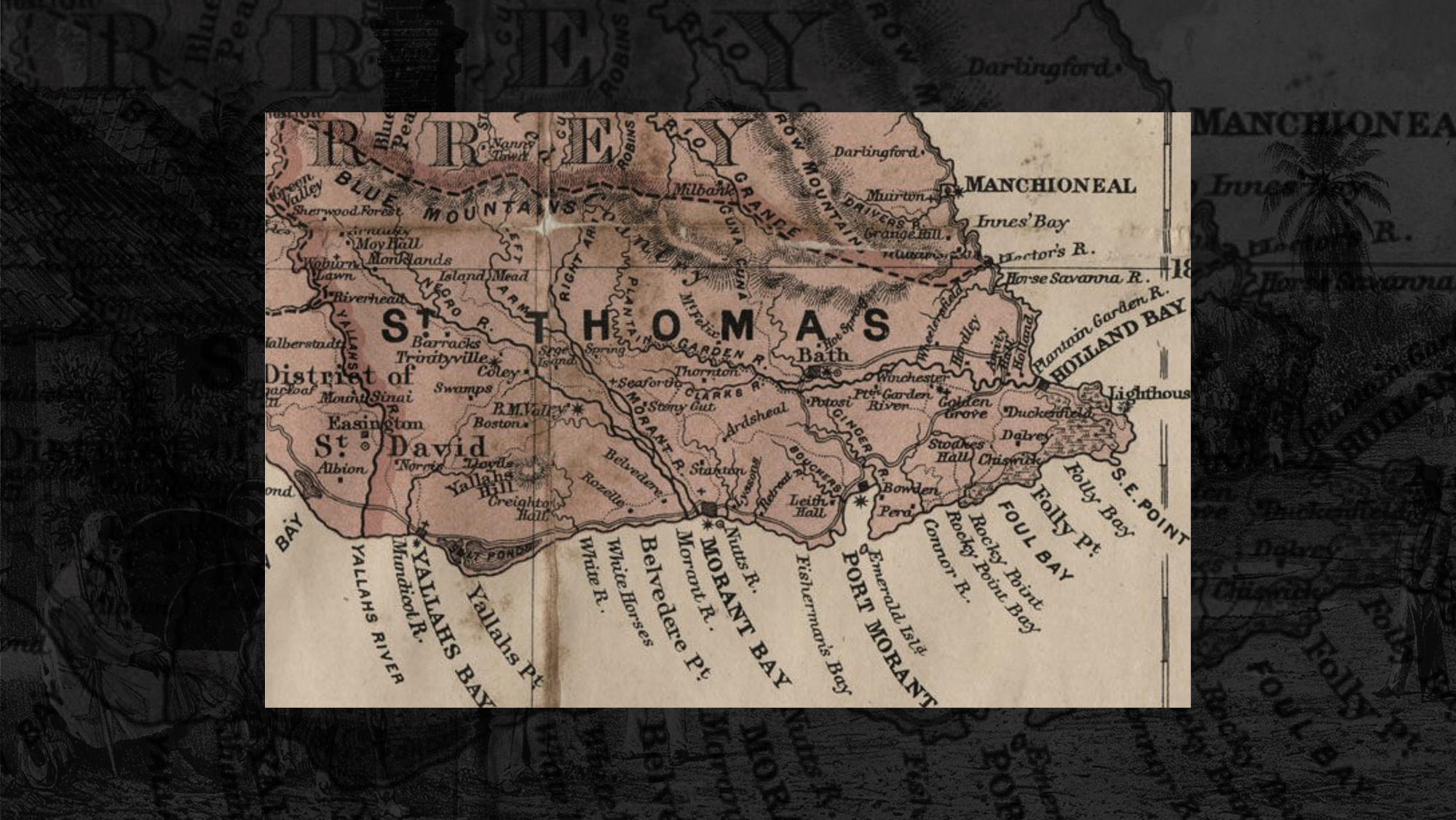
St Thomas
Paul Bogle - Unlikely Hero
After The Abolition of Slavery Act was passed in 1834, the owners of enslaved people received over £20 million of compensation, however the enslaved people received nothing. Bogle observed that although slavery had been abolished, the new system continued to oppress and deny opportunities to Jamaicans of African descent. One of the ways that power was maintained by the colonial ruling class, was the fee for voting which meant that the majority of Jamaicans of African descent could not afford to exercise their right to vote. In addition, though they could legally own land, they were not given the opportunities which would enable them to earn enough money to buy it.
Bogle was a great orator, and he used this skill to improve conditions for his community. His actions were incredibly brave, as being a spokesman for the Stony Gut Jamaicans meant it was likely he would come into conflict with men like Edward John Eyre the Governor of Jamaica and other Europeans who held power.
Paul was a peaceful man, and tried to make a difference by using peaceful means. Paul led a group of small farmers to march 45 miles from Stony Gut to Spanish Town to talk to Governor Eyre. When they got there Governor Eyre refused to see them. Bogle’s popularity grew, and his popularity made him a threat.
After The Abolition of Slavery Act was passed in 1834, the owners of enslaved people received over £20 million of compensation, however the enslaved people received nothing. Bogle observed that although slavery had been abolished, the new system continued to oppress and deny opportunities to Jamaicans of African descent. One of the ways that power was maintained by the colonial ruling class, was the fee for voting which meant that the majority of Jamaicans of African descent could not afford to exercise their right to vote. In addition, though they could legally own land, they were not given the opportunities which would enable them to earn enough money to buy it.
Bogle was a great orator, and he used this skill to improve conditions for his community. His actions were incredibly brave, as being a spokesman for the Stony Gut Jamaicans meant it was likely he would come into conflict with men like Edward John Eyre the Governor of Jamaica and other Europeans who held power.
Paul was a peaceful man, and tried to make a difference by using peaceful means. Paul led a group of small farmers to march 45 miles from Stony Gut to Spanish Town to talk to Governor Eyre. When they got there Governor Eyre refused to see them. Bogle’s popularity grew, and his popularity made him a threat.
Opposing Opinions
Bogle used his influence with the Baptist Missionary to campaign for change. He offered practical solutions, such as the granting of land from the crown to Jamaicans of African descent so they could work for their own improvement. On 7th October 1865, an innocent man of African descent was arrested and sent to trial for trespassing on an abandoned plantation and this outraged the Stony Gut community. Bogle organised a peaceful protest at the Court House. When they arrived, militia tried to arrest individuals for protesting in court, and the Stony Gut community defended themselves with sticks and stones. The militia were forced to back down. This felt like progress.
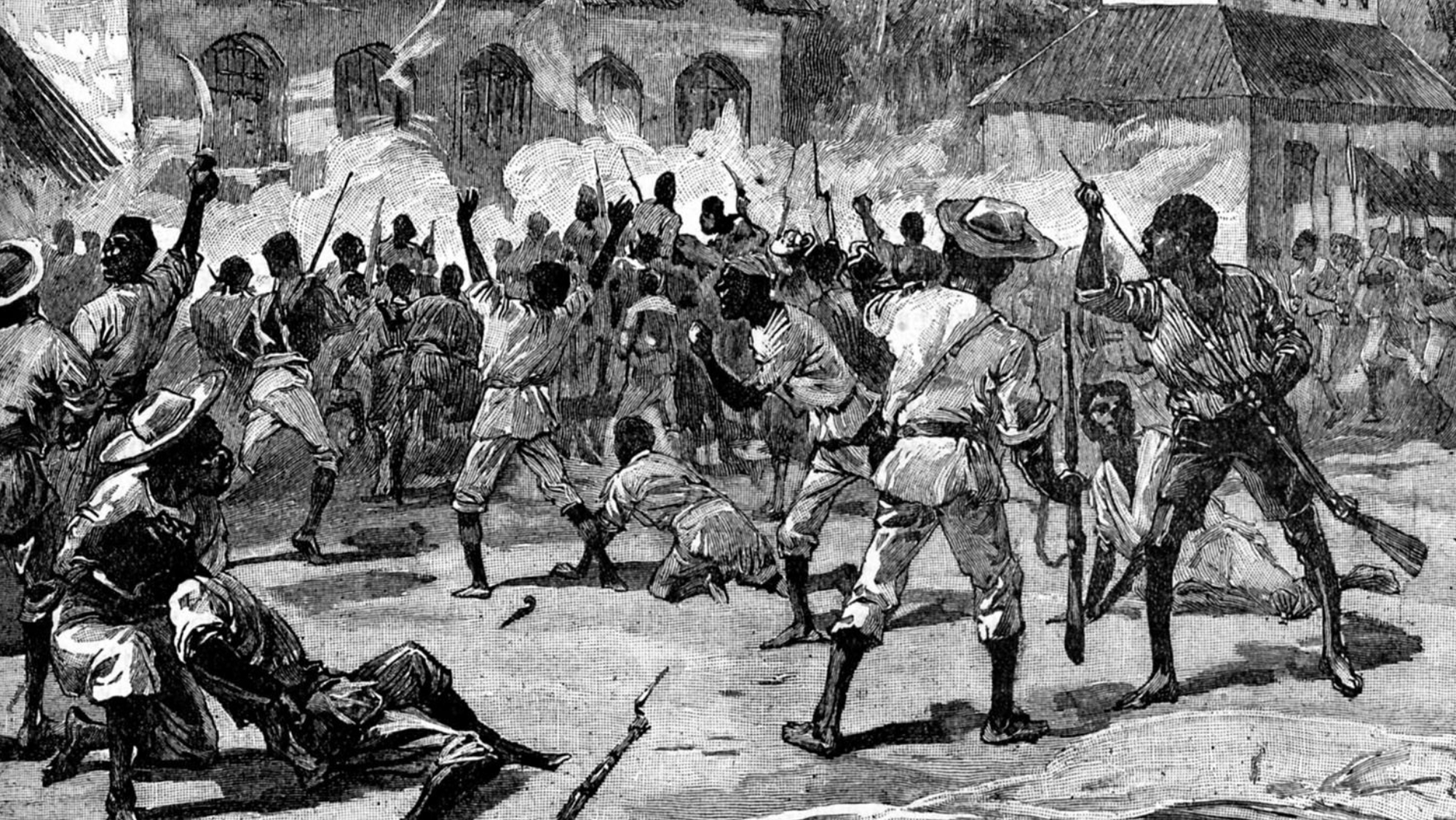
However, Governor Eyre sent out 27 warrants for arrest including one for Paul Bogle, and on 11 October 1865 Paul Bogle organised a protest against this injustice. Bogle led 300 villagers to peacefully protest outside of the courthouse. They carried no weapons. The local militia opened fire on the crowd killing 7 of the protesters. However, the crowd did not disperse, and angered by these actions, they fought back with sticks and stones. The courthouse was set on fire. Others rushed to support this fight against the Government and the crowd swelled to 2000. 18 more people were killed. Eventually the militia were forced to back down. What began as a peaceful protest had turned into a rebellion.
Bogle used his influence with the Baptist Missionary to campaign for change. He offered practical solutions, such as the granting of land from the crown to Jamaicans of African descent so they could work for their own improvement. On 7th October 1865, an innocent man of African descent was arrested and sent to trial for trespassing on an abandoned plantation and this outraged the Stony Gut community. Bogle organised a peaceful protest at the Court House. When they arrived, militia tried to arrest individuals for protesting in court, and the Stony Gut community defended themselves with sticks and stones. The militia were forced to back down. This felt like progress.
However, Governor Eyre sent out 27 warrants for arrest including one for Paul Bogle, and on 11 October 1865 Paul Bogle organised a protest against this injustice. Bogle led 300 villagers to peacefully protest outside of the courthouse. They carried no weapons. The local militia opened fire on the crowd killing 7 of the protesters. However, the crowd did not disperse, and angered by these actions, they fought back with sticks and stones. The courthouse was set on fire. Others rushed to support this fight against the Government and the crowd swelled to 2000. 18 more people were killed. Eventually the militia were forced to back down. What began as a peaceful protest had turned into a rebellion.
Paul Bogle - Unlikely Hero
Governor Eyre sent out an order to hunt down those involved in the rebellion. Under Brigadier-General Alexander Nelson, the poorly armed rebels were hunted down. The troops met with no organised resistance, but they killed indiscriminately. According to one soldier, "we slaughtered all before us… man or woman or child”. Without a fair trial Paul Bogle was hung alongside 14 others including his brother Moses.
Paul Bogle’s last words were
“Today I stand here a victim, but the truth is I’ll never die.”
Governor Eyre sent out an order to hunt down those involved in the rebellion. Under Brigadier-General Alexander Nelson, the poorly armed rebels were hunted down. The troops met with no organised resistance, but they killed indiscriminately. According to one soldier, "we slaughtered all before us… man or woman or child”. Without a fair trial Paul Bogle was hung alongside 14 others including his brother Moses.
Paul Bogle’s last words were
“Today I stand here a victim, but the truth is I’ll never die.”
Paul Bogle – Unlikely hero
Atrocities committed during the Morant Bay Uprising:
439 Jamaicans of African descent were killed
354 arrested including Paul Bogle – later executed without proper trials
600 flogged (beaten) including pregnant women
14 hanged with Paul Bogle, including his brother Moses on 25 October 1865
Long prison sentences given
Thousands of homes were burnt, leaving families homeless throughout the parish.
Atrocities committed during the Morant Bay Uprising:
439 Jamaicans of African descent were killed
354 arrested including Paul Bogle – later executed without proper trials
600 flogged (beaten) including pregnant women
14 hanged with Paul Bogle, including his brother Moses on 25 October 1865
Long prison sentences given
Thousands of homes were burnt, leaving families homeless throughout the parish.
The Morant Bay Rebellion History of 1865 Rebellion led by Paul Bogle.
An 1865 Harper’s illustration of the hanging.
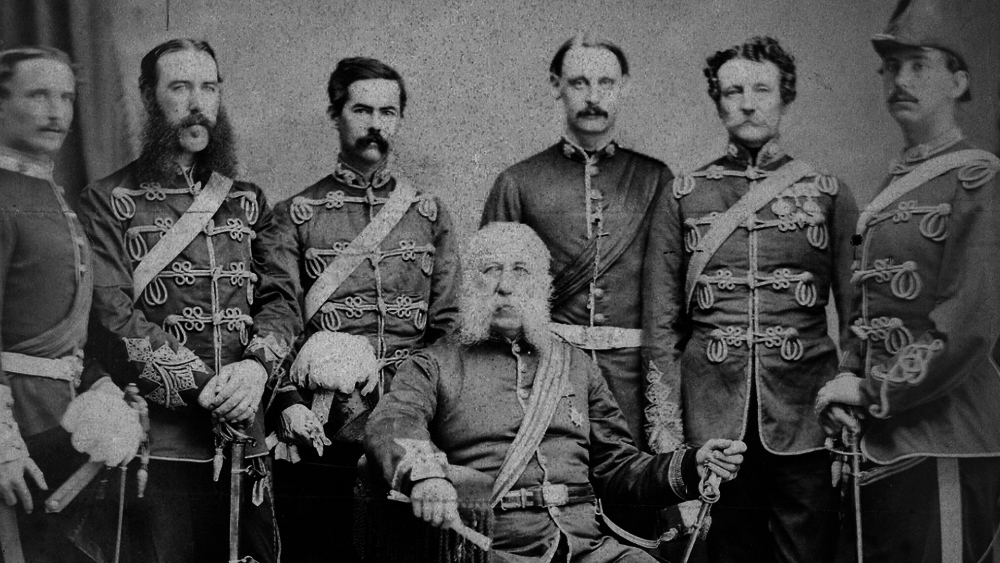
A picture of officers involved in the Morant Bay Rebellion. Including Luke Smythe O'Connor, R. F. Ballantine, William Walker Whitehall Johnston, and Alexander Abercromby Nelson.
Opposing Opinions
EDWARD BEAN UNDERHILL (1813-1901) was Secretary of the Baptist Missionary Society. He visited the Society’s centres in Jamaica and wrote in great detail about his experiences.
In 1865 he wrote a letter to the Colonial Office in London to describe the conditions that Jamaicans of African descent were living under.
“They cannot purchase clothing, partly from its greatly increased cost, which is unduly enhanced by the duty (said to be 38 percent by the Hon. Mr. Whitelocke) which it now pays, and partly from the want of employment, and the consequent absence of wages…The people, then, are starving, and the causes of this are not far to seek”
Extract from the letter from Dr. Underhill to E Cardwell in the Colonial Office in London, Jan 1865
EDWARD BEAN UNDERHILL (1813-1901) was Secretary of the Baptist Missionary Society. He visited the Society’s centres in Jamaica and wrote in great detail about his experiences.
In 1865 he wrote a letter to the Colonial Office in London to describe the conditions that Jamaicans of African descent were living under.
“They cannot purchase clothing, partly from its greatly increased cost, which is unduly enhanced by the duty (said to be 38 percent by the Hon. Mr. Whitelocke) which it now pays, and partly from the want of employment, and the consequent absence of wages…The people, then, are starving, and the causes of this are not far to seek”
Extract from the letter from Dr. Underhill to E Cardwell in the Colonial Office in London, Jan 1865
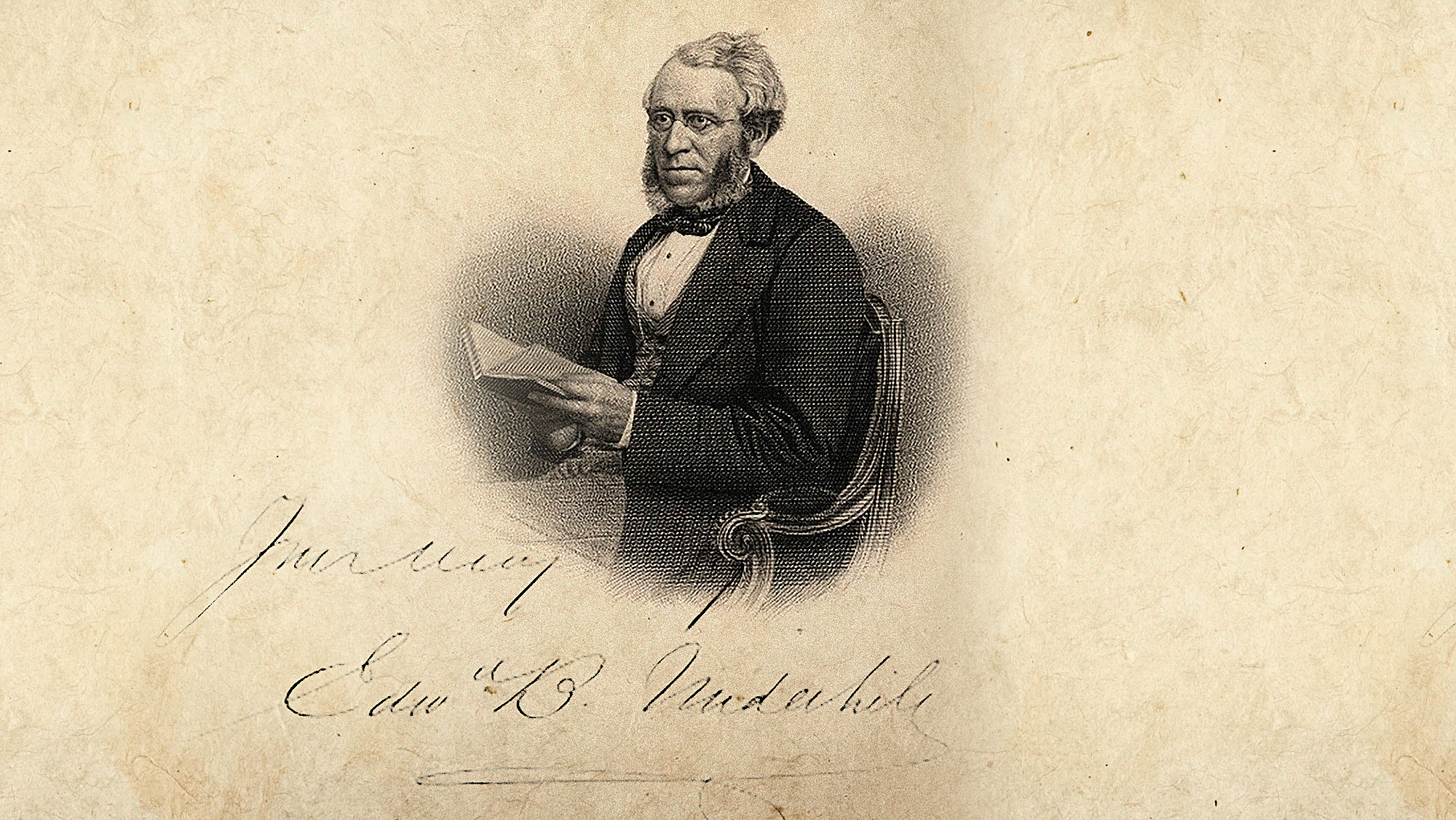
The letter was shown to Jamaica's Governor John Eyre, who immediately refuted its statements.
“no reasonable and intelligible cause has been assigned as to the origin of this most wicked and widespread rebellion”
From a letter written by Governor Eyre to the Secretary of State
In response, Queen Victoria simply encouraged the Jamaicans of African descent to work harder.
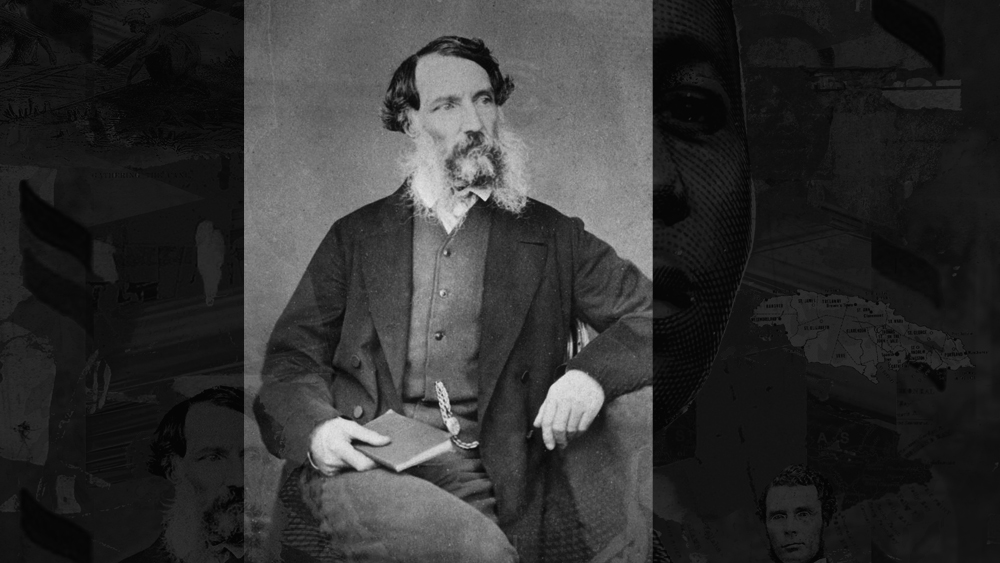
Portrait of Governor John Eyre
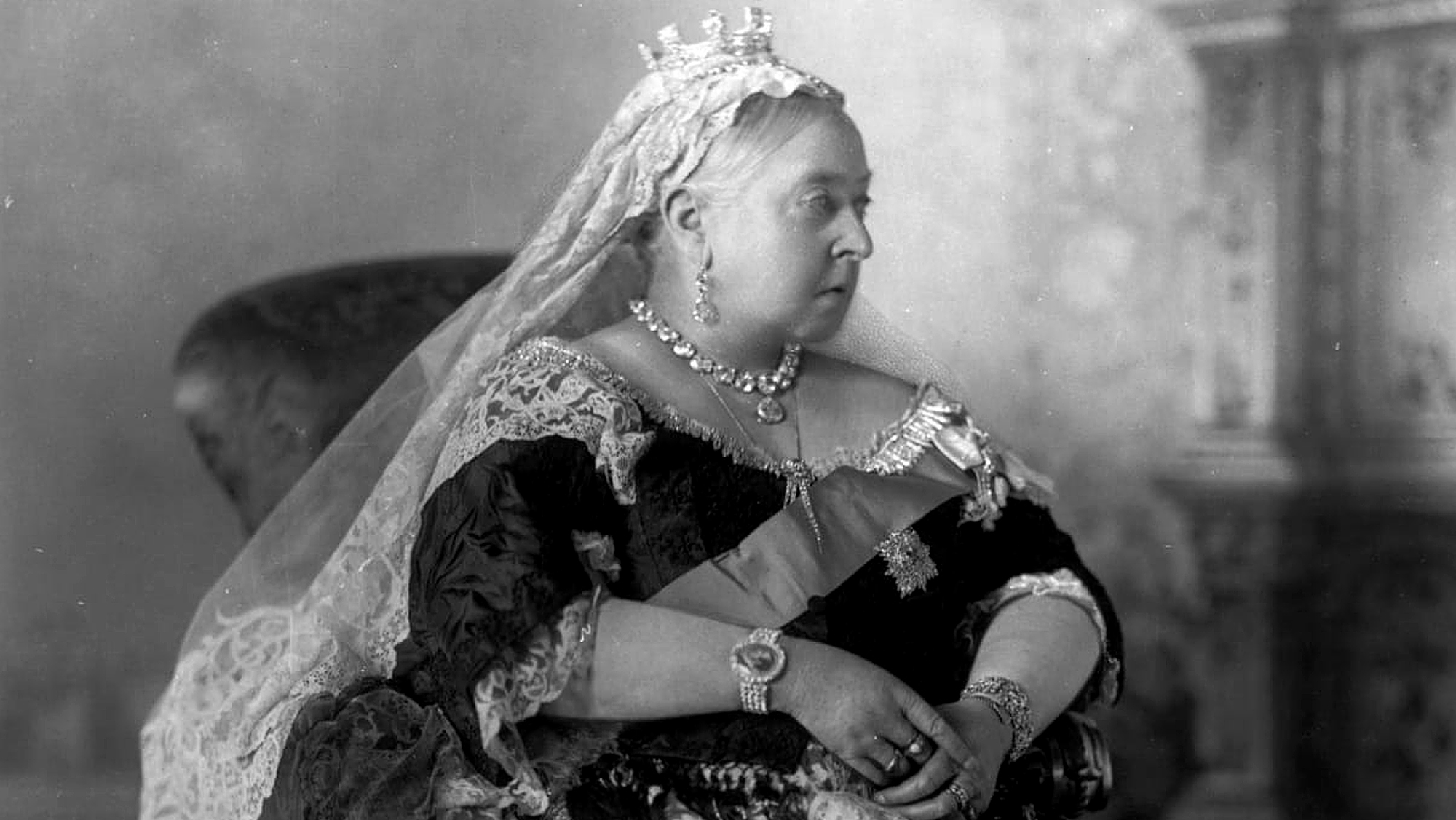
Portrait of Queen Victoria
Reaction In Britain
When news of the colonial Government's response to the rebellion broke in Britain, it generated fierce debate. Public figures of different political affiliations lined up to support or oppose Governor Eyre's actions.
Opponents of Eyre established The Jamaica Committee in 1866, which called for Eyre to be tried for mass murder. The Committee included English liberals, such as John Bright, Charles Darwin, and John Stuart Mill.
When news of the colonial Government's response to the rebellion broke in Britain, it generated fierce debate. Public figures of different political affiliations lined up to support or oppose Governor Eyre's actions.
Opponents of Eyre established The Jamaica Committee in 1866, which called for Eyre to be tried for mass murder. The Committee included English liberals, such as John Bright, Charles Darwin, and John Stuart Mill.
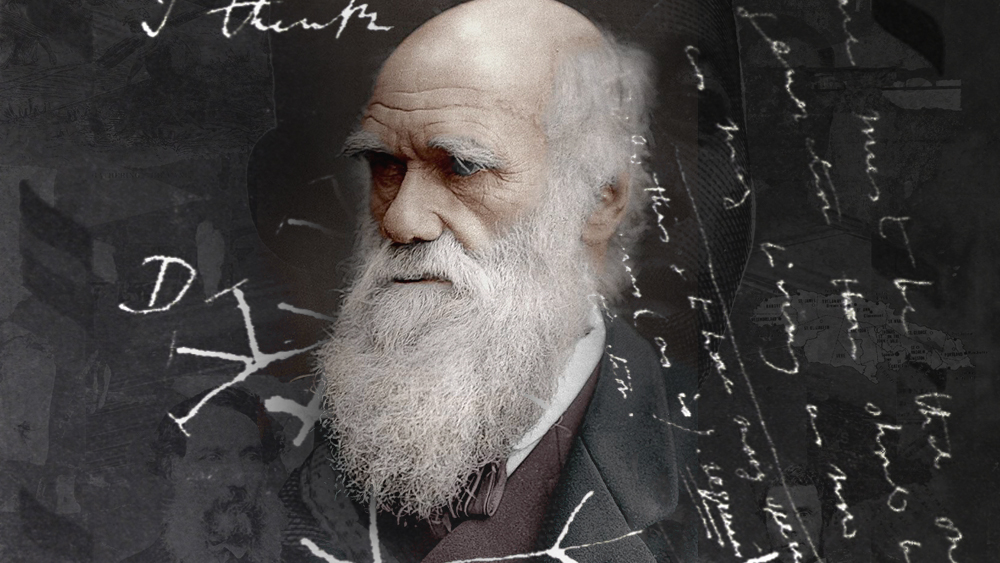
Charles Darwin, naturalist and member of The Jamaica committee
Reaction In Britain
Supporter of Eyre formed The Governor Eyre Defense and Aid Committee. It included Alfred Tennyson, Charles Dickens and John Ruskin.
When Eyre returned to Britain in August 1866, his supporters held a banquet in his honour, while opponents at a protest meeting the same evening condemned him as a murderer. Twice Eyre was charged with murder, but the cases never proceeded to trial. Eyre was eventually quietly dismissed.
The Jamaican House of Assembly (led by colonial plantation owners) abolished itself and renounced its charter. Jamaica became a crown colony, governed directly from England. The Morant Bay Rebellion made the public more sympathetic to the Jamaicans of African descent and the politicians that supported them.
The Morant Bay rebellion was one of the defining points in the struggle of Jamaicans of African descent towards political and economic equality.
Supporter of Eyre formed The Governor Eyre Defense and Aid Committee. It included Alfred Tennyson, Charles Dickens and John Ruskin.
When Eyre returned to Britain in August 1866, his supporters held a banquet in his honour, while opponents at a protest meeting the same evening condemned him as a murderer. Twice Eyre was charged with murder, but the cases never proceeded to trial. Eyre was eventually quietly dismissed.
The Jamaican House of Assembly (led by colonial plantation owners) abolished itself and renounced its charter. Jamaica became a crown colony, governed directly from England. The Morant Bay Rebellion made the public more sympathetic to the Jamaicans of African descent and the politicians that supported them.
The Morant Bay rebellion was one of the defining points in the struggle of Jamaicans of African descent towards political and economic equality.
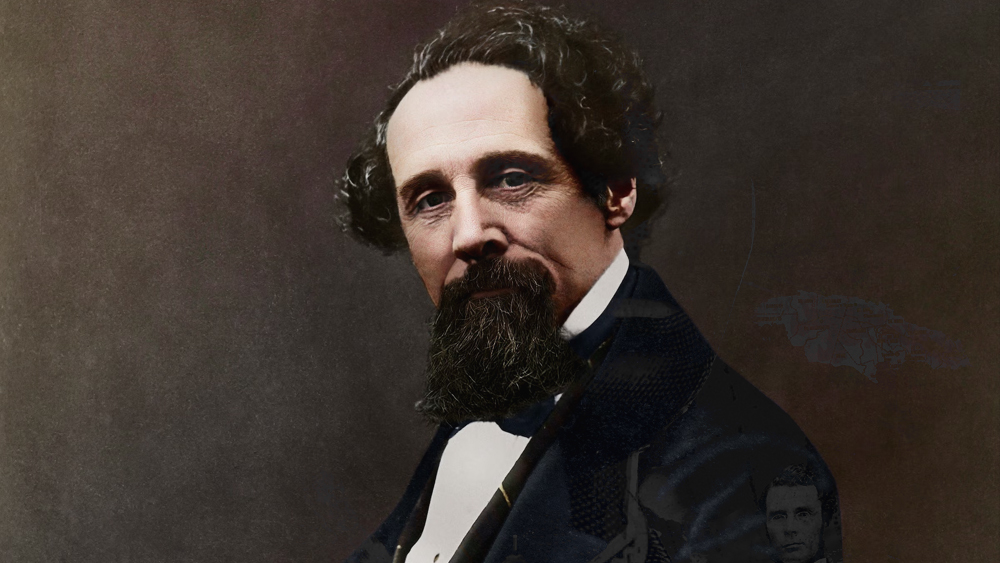
Charles Dickens, write and member of The Governor Eyre Defence and Aid Committee
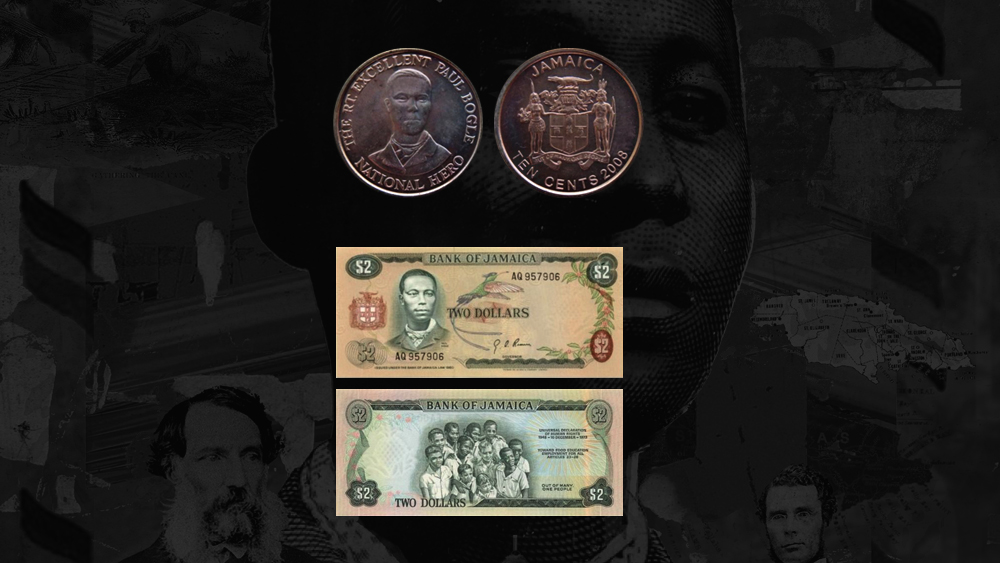
Paul Bogle appears on the Jamaican 10 cents coin and on the $2 note, which was discontinued in 1969.

Add a comment.
Please let us know your thoughts.
Choose your Avatar
I AM NOT A ROBOT
SUBMIT

"I would have loved to have seen things differently when I was younger."
Tom Simplson

"We’re slowly trying to find it ourselves, Because it was lacked in the curriculum"
A Student

"It's incredible that his history still hasn't been given a fair representation,"
Lawrence Hoo
"It has become a tsunami of enlightenment and information"
A Student
Please let us know your thoughts.
Choose your Avatar
I AM NOT A ROBOT
SUBMIT
"I would have loved to have seen things differently when I was younger."
Tom Simplson
"We’re slowly trying to find it ourselves, Because it was lacked in the curriculum"
A Student
"It's incredible that his history still hasn't been given a fair representation,"
Lawrence Hoo
"It has become a tsunami of enlightenment and information"
A Student