

Loading Lesson

Africa: A Brief Introduction
Africa is known as the cradle of civilisation and is where humans first emerged. Since then, many unique kingdoms and empires have flourished on the continent, contributing to the development and advancement of humankind. These kingdoms included Kush, Aksum, Mali and Ghana and many more.
The ancient name of Africa was Alkebulan, meaning “mother of mankind” or “garden of eden”.
Alkebulan is the oldest name in use and the only one of indigenous origin. It was used by the ancient Moors, Nubians, Numidians, Khart-Haddans (Carthagenians), and Ethiopians. The name Africa, adopted by almost everyone today, was given to this continent by the ancient Greeks and Romans.

Africa is known as the cradle of civilisation and is where humans first emerged. Since then, many unique kingdoms and empires have flourished on the continent, contributing to the development and advancement of humankind. These kingdoms included Kush, Aksum, Mali and Ghana and many more.
The ancient name of Africa was Alkebulan, meaning “mother of mankind” or “garden of eden”.
Alkebulan is the oldest name in use and the only one of indigenous origin. It was used by the ancient Moors, Nubians, Numidians, Khart-Haddans (Carthagenians), and Ethiopians. The name Africa, adopted by almost everyone today, was given to this continent by the ancient Greeks and Romans.
Africa: A Brief Introduction
Africa can be credited not only with giving rise to the many scientific developments associated with Egypt: engineering, mathematics, architecture, medicine etc. but also with important early political developments such as state formation and monarchy. Economic and political development, as well as scientific development was, during this early period, perhaps more advanced in Africa than in other continents.
The African continent continued on its own path of development, without significant external intervention until the fifteenth century. In this early period, Africans participated in extensive international trading networks and in trans-oceanic travel. Some African states had established important trading relations with India, China and other parts of Asia long before these were disrupted by European intervention.

Africa can be credited not only with giving rise to the many scientific developments associated with Egypt: engineering, mathematics, architecture, medicine etc. but also with important early political developments such as state formation and monarchy. Economic and political development, as well as scientific development was, during this early period, perhaps more advanced in Africa than in other continents.
The African continent continued on its own path of development, without significant external intervention until the fifteenth century. In this early period, Africans participated in extensive international trading networks and in trans-oceanic travel. Some African states had established important trading relations with India, China and other parts of Asia long before these were disrupted by European intervention.
Africa: A Brief Introduction
Over Millenia Ancient African History has been recorded by Scribes using scrolls, manuscripts and hieroglyphs. However, much of what we know about Ancient Africa has been passed down in the form of oral history through storytellers called Griots. Much of what we know about Ancient Africa has been passed down in the form of oral history through storytellers called griots.
A griot is a West African historian, storyteller, praise singer, poet, or musician. For centuries, Griots have played an important role in their societies by performing and keeping alive a huge repertoire of songs about the history of their communities. They are the guardians of their society’s oral traditions and have been valued advisors to royalty and other powerful people.
The role of a griot is usually passed down within certain families, and training begins in childhood. Some of today’s high profile musicians from West Africa, like Mory Kanté from Guinea, and the late Fela Kuti* from Nigeria, come from traditional griot families. But as times change and cultures evolve, artists like Salif Keita (who is not from a griot family) have adopted this role. Today griots of West Africa can be found among many communities including the Mandé people, the Fula people, and many other smaller groups.
*late Fela Kuti - Deceased
Over Millenia Ancient African History has been recorded by Scribes using scrolls, manuscripts and hieroglyphs. However, much of what we know about Ancient Africa has been passed down in the form of oral history through storytellers called Griots. Much of what we know about Ancient Africa has been passed down in the form of oral history through storytellers called griots.
A griot is a West African historian, storyteller, praise singer, poet, or musician. For centuries, Griots have played an important role in their societies by performing and keeping alive a huge repertoire of songs about the history of their communities. They are the guardians of their society’s oral traditions and have been valued advisors to royalty and other powerful people.
The role of a griot is usually passed down within certain families, and training begins in childhood. Some of today’s high profile musicians from West Africa, like Mory Kanté from Guinea, and the late Fela Kuti* from Nigeria, come from traditional griot families. But as times change and cultures evolve, artists like Salif Keita (who is not from a griot family) have adopted this role. Today griots of West Africa can be found among many communities including the Mandé people, the Fula people, and many other smaller groups.
*late Fela Kuti - Deceased
Learning Objective
To understand the importance of evidence-based interpretations of the past.
To understand the importance of evidence-based interpretations of the past.
What does this quote tell us about the history we study?
‘[Historical] facts are really not at all like fish on the fishmonger's slab. They are like fish swimming about in a vast and sometimes inaccessible ocean; and what the historian catches will depend, partly on chance, but mainly on what part of the ocean he chooses to fish in and what tackle he chooses to use - these two factors being, of course, determined by the kind of fish he wants to catch. By and large, the historian will get the kind of facts he wants. History means interpretation.’
E. H. Carr
‘[Historical] facts are really not at all like fish on the fishmonger's slab. They are like fish swimming about in a vast and sometimes inaccessible ocean; and what the historian catches will depend, partly on chance, but mainly on what part of the ocean he chooses to fish in and what tackle he chooses to use - these two factors being, of course, determined by the kind of fish he wants to catch. By and large, the historian will get the kind of facts he wants. History means interpretation.’
E. H. Carr

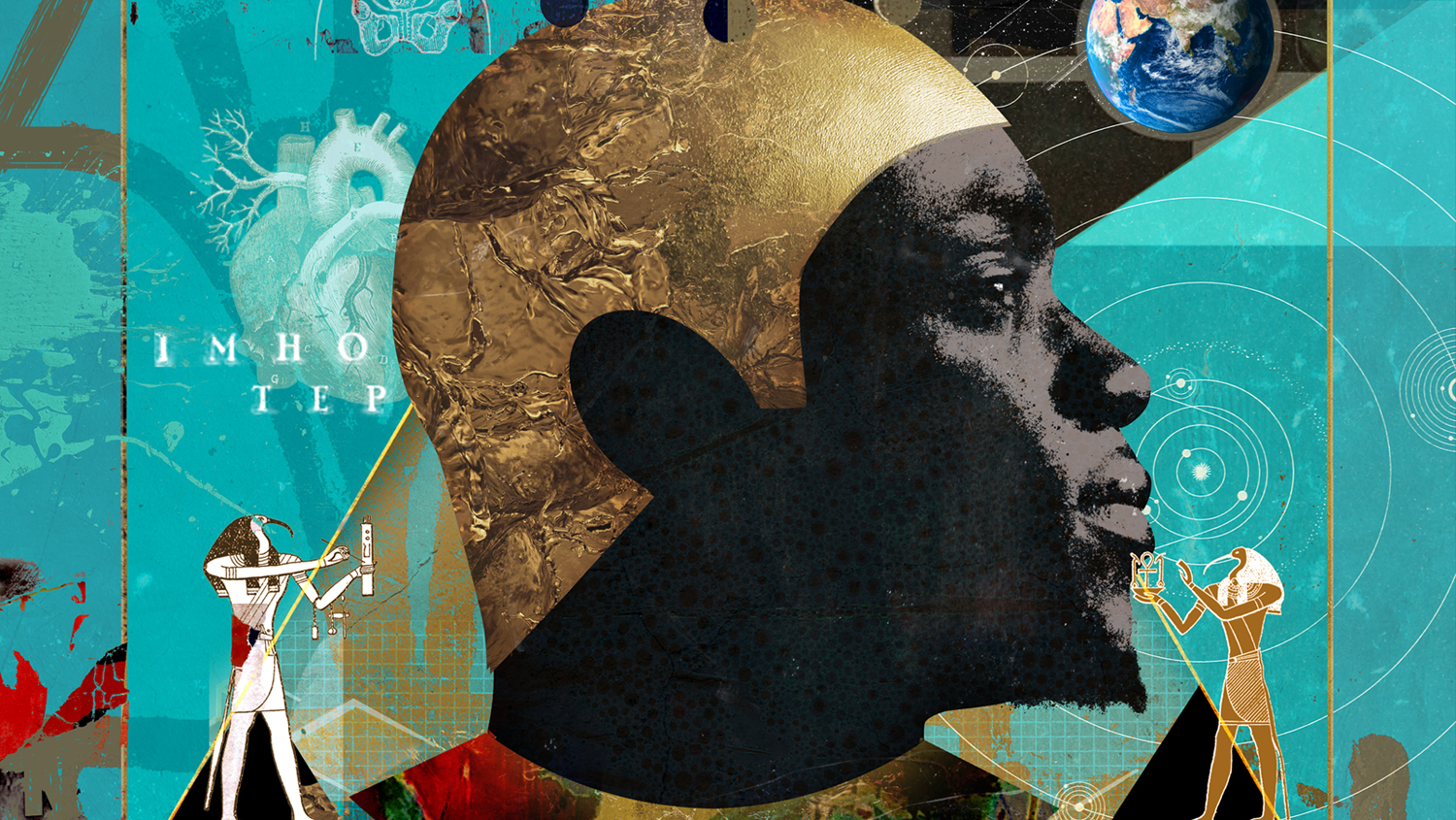
Imhotep
Listen to the following poem written by Lawrence Hoo and performed by Mikael Techane.
PLAY
Listen to the following poem written by Lawrence Hoo and performed by Mikael Techane.
PLAY
Main Task:
Over the following slides you will be presented with some of historical evidence available to historians studying Imhotep. Begin by looking at this illustration, after you’ve studied the 6 sources complete Task 1 on the worksheet presented to you. add notes to your main
Over the following slides you will be presented with some of historical evidence available to historians studying Imhotep. Begin by looking at this illustration, after you’ve studied the 6 sources complete Task 1 on the worksheet presented to you. add notes to your main
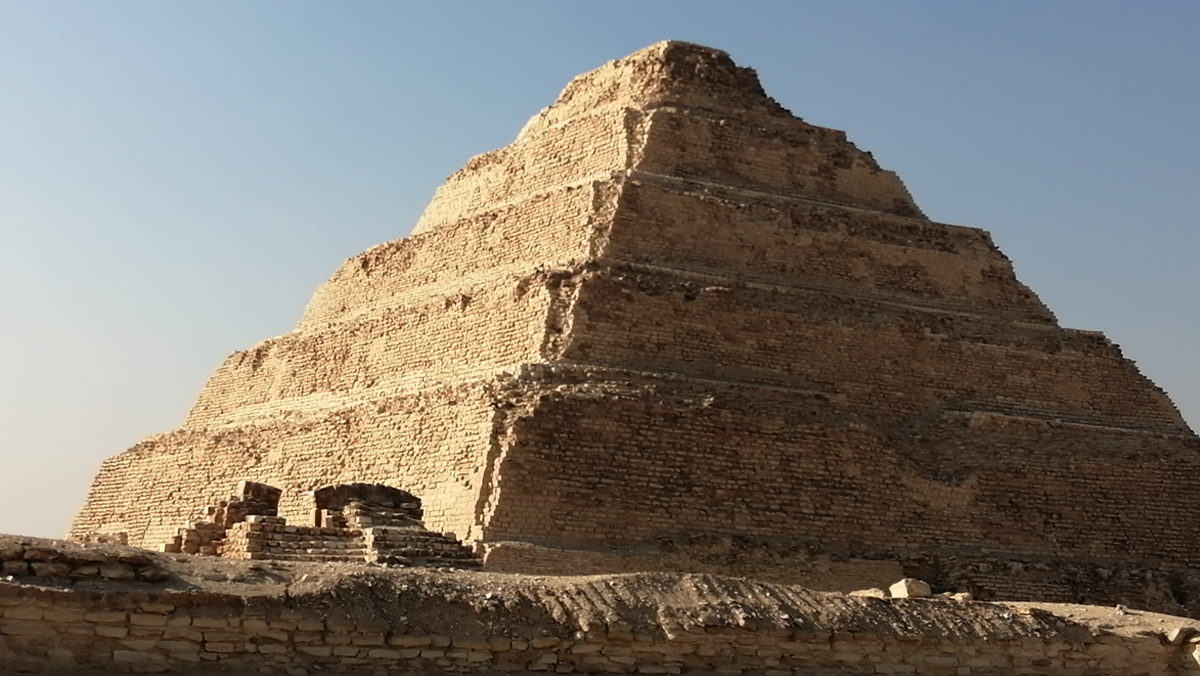
Step pyramid at Saqqara
Historical Source 1
This is the step pyramid at Saqqara, Egypt. It is the oldest pyramid in Egypt, built around 2,700 BCE, for the Pharaoh Djoser. A statue of Pharaoh Djoser in the pyramid names Imhotep and lists him as having many important titles, including Chancellor (person in charge of the finances), chief of the sculptors and High Priest of Amun-Ra. For that reason, it is thought that Imhotep was responsible for the construction of the pyramid.
This is the step pyramid at Saqqara, Egypt. It is the oldest pyramid in Egypt, built around 2,700 BCE, for the Pharaoh Djoser. A statue of Pharaoh Djoser in the pyramid names Imhotep and lists him as having many important titles, including Chancellor (person in charge of the finances), chief of the sculptors and High Priest of Amun-Ra. For that reason, it is thought that Imhotep was responsible for the construction of the pyramid.
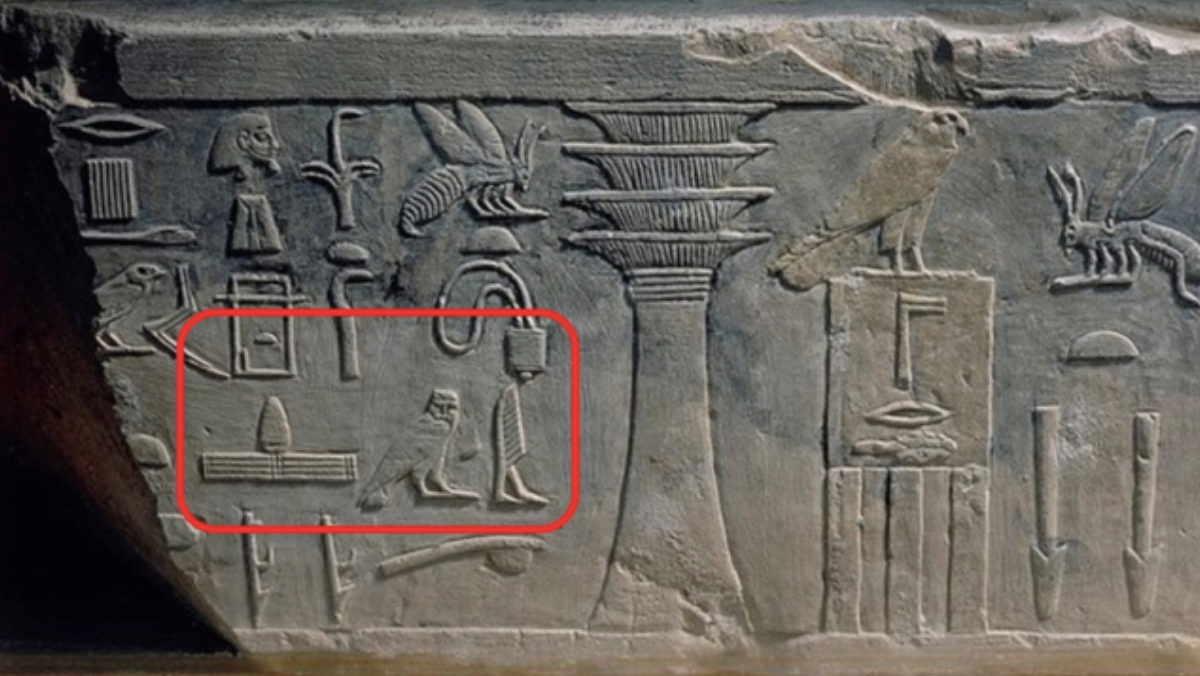
Relief from statue
Historical Source 2 - Relief from statue
The name (encircled in red) and titulary of Imhotep have been found on the base of the Saqqara, showing the high esteem Imhotep held at the Egyptian court.
Source: Clayton, Kroniek van de Farao's, p. 33.
The name (encircled in red) and titulary of Imhotep have been found on the base of the Saqqara, showing the high esteem Imhotep held at the Egyptian court.
Source: Clayton, Kroniek van de Farao's, p. 33.

Plates 6 and 7 of The Edwin Smith Papyrus.
Now in the Rare Book Room, in the New York Academy of Medicine.
Historical Source 3 - The Edwin Smith Papyrus
The Canadian Physician Sir William Osler described Imhotep as “the first figure of a physician to stand out clearly from the mists of antiquity”. He proposed that Imhotep was the “real father of medicine” - not the Greek Physician Hippocrates.
The famous Edwin Smith papyrus, named after the American dealer who bought it in 1862, is considered by many to have originally been written by Imhotep. This is the oldest known written manual of surgery and trauma and describes 48 cases of wounds, fractures, dislocations, and tumours.
Among the treatments described are suturing of wounds, splinting, bandaging, managing infections with honey and resins and the use of raw meat to stop bleeding. Immobilisation was advised for lower limb fractures and spinal cord injuries and it also includes detailed anatomical and physiological descriptions.
The Canadian Physician Sir William Osler described Imhotep as “the first figure of a physician to stand out clearly from the mists of antiquity”. He proposed that Imhotep was the “real father of medicine” - not the Greek Physician Hippocrates.
The famous Edwin Smith papyrus, named after the American dealer who bought it in 1862, is considered by many to have originally been written by Imhotep. This is the oldest known written manual of surgery and trauma and describes 48 cases of wounds, fractures, dislocations, and tumours.
Among the treatments described are suturing of wounds, splinting, bandaging, managing infections with honey and resins and the use of raw meat to stop bleeding. Immobilisation was advised for lower limb fractures and spinal cord injuries and it also includes detailed anatomical and physiological descriptions.
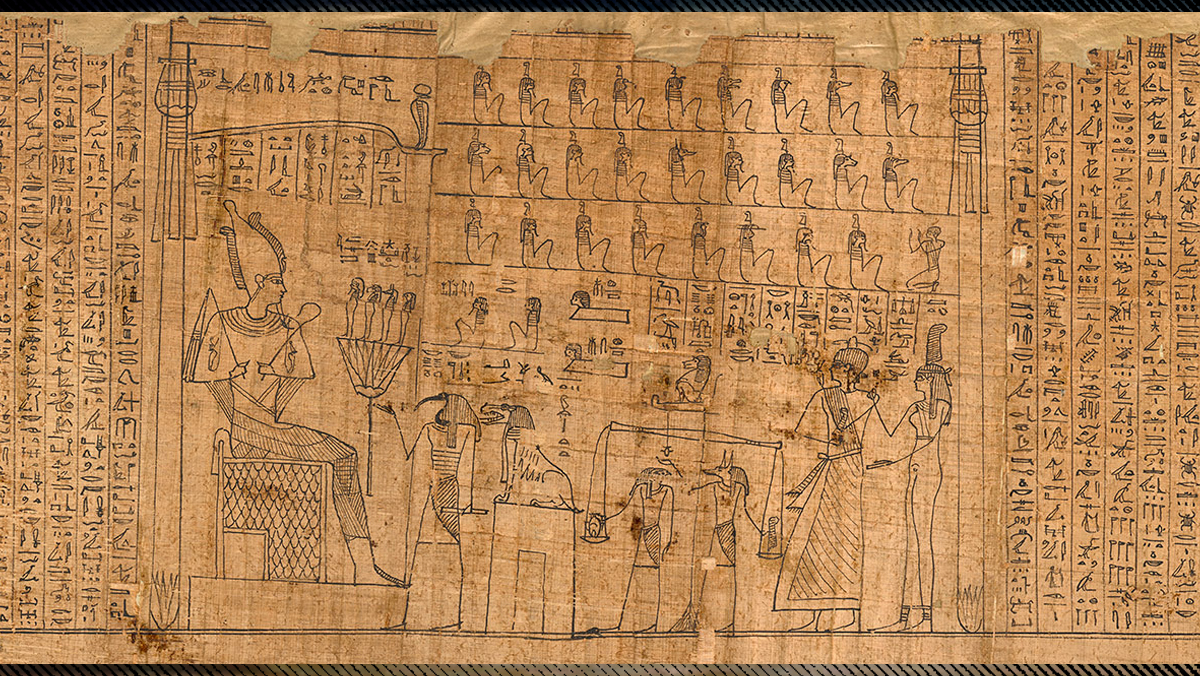
Book of the Dead
Historical Source 4 - The Book Of The Dead
This papyrus was made for Imhotep. It is known as the Book of The Dead of the Priest of Horus. It contains incantations, or prayers, which were intended to help him make a safe transition from death to eternal life. It is now on display at the Metropolitan Museum of Art in New York City.
This papyrus was made for Imhotep. It is known as the Book of The Dead of the Priest of Horus. It contains incantations, or prayers, which were intended to help him make a safe transition from death to eternal life. It is now on display at the Metropolitan Museum of Art in New York City.

The rod of Asklepios
Historical Source 5 - The rod of Asklepios
Knowledge of Imhotep’s achievements became incorporated into stories about Asklepios, the Ancient Greek god of medicine. The symbol of a snake and staff was often carried by those who had significant power in ancient Egypt, and this symbol also became associated with Asklepios. The rod of Asklepios is recognised today as the universal symbol for the professional practice of medicine.
Knowledge of Imhotep’s achievements became incorporated into stories about Asklepios, the Ancient Greek god of medicine. The symbol of a snake and staff was often carried by those who had significant power in ancient Egypt, and this symbol also became associated with Asklepios. The rod of Asklepios is recognised today as the universal symbol for the professional practice of medicine.

Statue of Seated Imhotep, 332-30BCE
Met Museum, New York
Historical Source 6 - Statues of Imhotep
Numerous statues of Imhotep have been found across the Mediterranean region, including in Spain, Italy, Greece, Egypt and Turkey, most dating between 1000-30 BCE. The statues typically depict Imhotep sitting on a throne (a symbol of power) with a papyrus scroll on his lap (a symbol of wisdom and learning).
Numerous statues of Imhotep have been found across the Mediterranean region, including in Spain, Italy, Greece, Egypt and Turkey, most dating between 1000-30 BCE. The statues typically depict Imhotep sitting on a throne (a symbol of power) with a papyrus scroll on his lap (a symbol of wisdom and learning).

Head of Imhotep in the Imhotep Museum in Saqqara.
Historical Source 6 - Statues of Imhotep
These statues are evidence of the religious cult that developed around Imhotep. In the years after his death, he became a godlike figure across many Mediterranean civilisations. At different times and by different groups he was likened to Thoth, the Egyptian god of time, healing and wisdom, and Asklepios, the Ancient Greek god of medicine.
These statues are evidence of the religious cult that developed around Imhotep. In the years after his death, he became a godlike figure across many Mediterranean civilisations. At different times and by different groups he was likened to Thoth, the Egyptian god of time, healing and wisdom, and Asklepios, the Ancient Greek god of medicine.
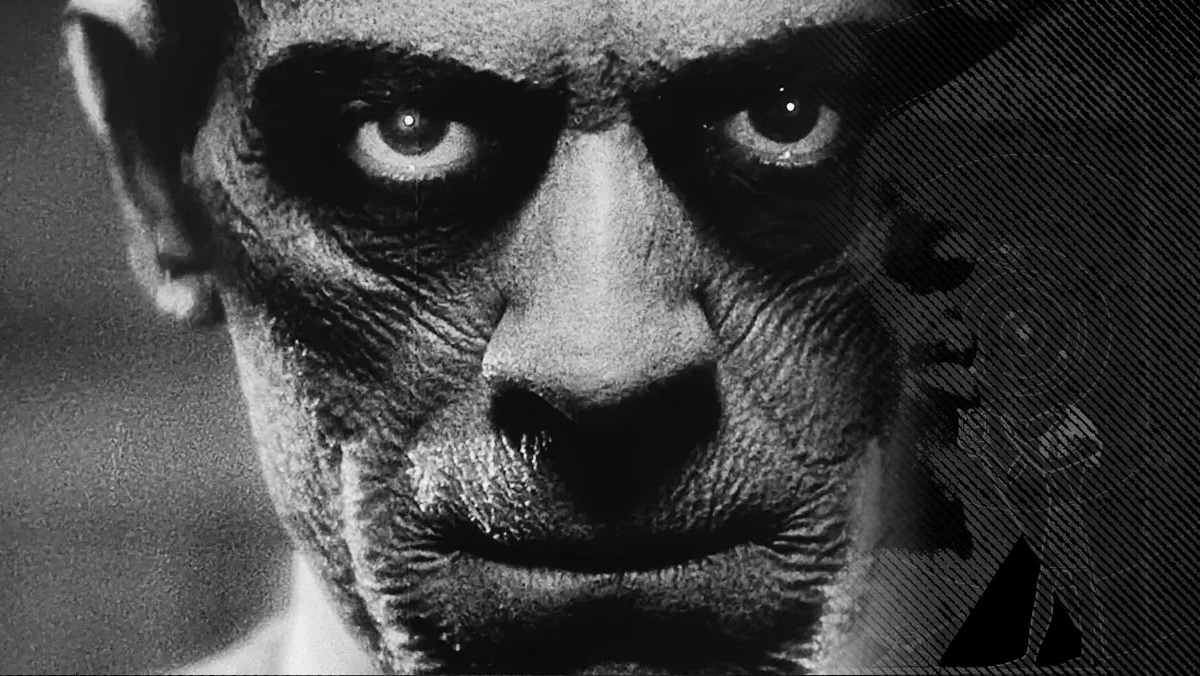
Boris Karloff, as Imhotep in 1932.
The Mummy (1932)
Horror icon Boris Karloff stars in the original 1932 version of The Mummy in which a team of British archaeologists accidentally revives Imhotep, a mummified high priest, after 3,700 years. Alive again, he sets out on an obsessive and deadly quest to find his lost love.
Horror icon Boris Karloff stars in the original 1932 version of The Mummy in which a team of British archaeologists accidentally revives Imhotep, a mummified high priest, after 3,700 years. Alive again, he sets out on an obsessive and deadly quest to find his lost love.
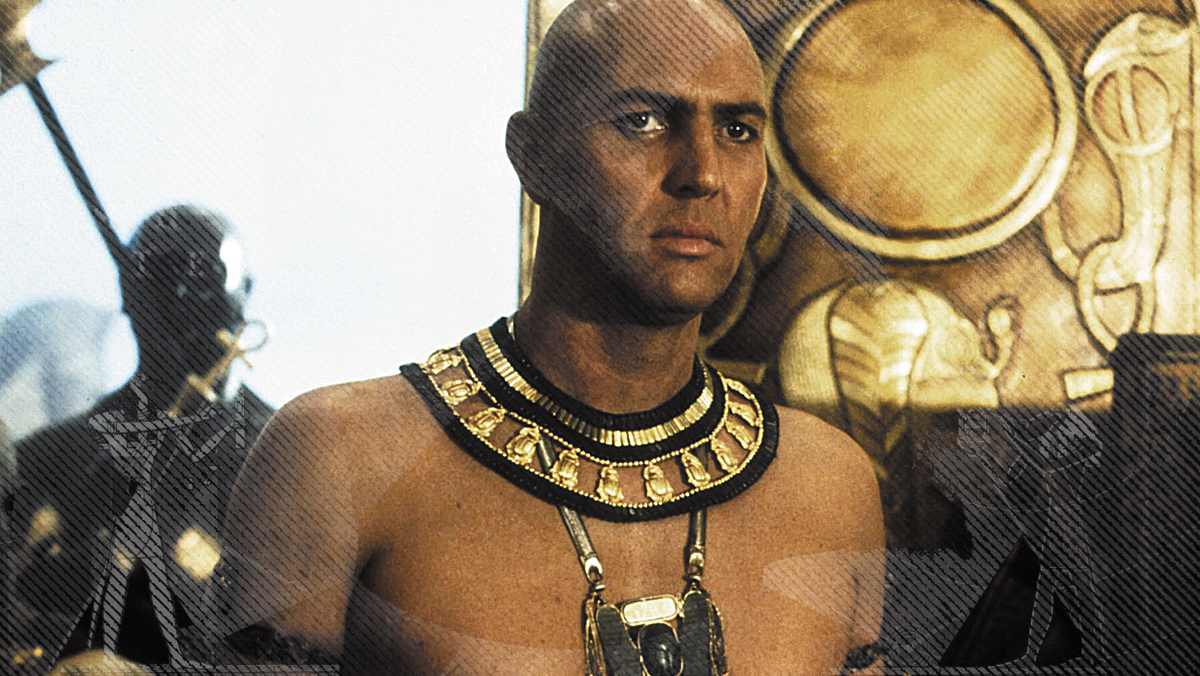
Arnold Vosloo, as Imhotep in 1999.
The Mummy (1999)
In this later remake Imhotep is cursed and buried alive after he murders the Pharaoh with his lover. He is revived 3,000 years later and gains magical powers, which he uses to turn rivers to blood, bring plague, and swarms of locusts. He kidnaps Egyptologist Evelyn Carnahan and attempts to sacrifice her to bring back his long lost love, before he is stopped by a reading from the book of Amun-Ra.
In this later remake Imhotep is cursed and buried alive after he murders the Pharaoh with his lover. He is revived 3,000 years later and gains magical powers, which he uses to turn rivers to blood, bring plague, and swarms of locusts. He kidnaps Egyptologist Evelyn Carnahan and attempts to sacrifice her to bring back his long lost love, before he is stopped by a reading from the book of Amun-Ra.
Add a comment.
Please let us know your thoughts.
Choose your Avatar
I AM NOT A ROBOT
SUBMIT

"I would have loved to have seen things differently when I was younger."
Tom Simplson

"We’re slowly trying to find it ourselves, Because it was lacked in the curriculum"
A Student

"It's incredible that his history still hasn't been given a fair representation,"
Lawrence Hoo
"It has become a tsunami of enlightenment and information"
A Student
Please let us know your thoughts.
Choose your Avatar
I AM NOT A ROBOT
SUBMIT
"I would have loved to have seen things differently when I was younger."
Tom Simplson
"We’re slowly trying to find it ourselves, Because it was lacked in the curriculum"
A Student
"It's incredible that his history still hasn't been given a fair representation,"
Lawrence Hoo
"It has become a tsunami of enlightenment and information"
A Student