

Loading Lesson
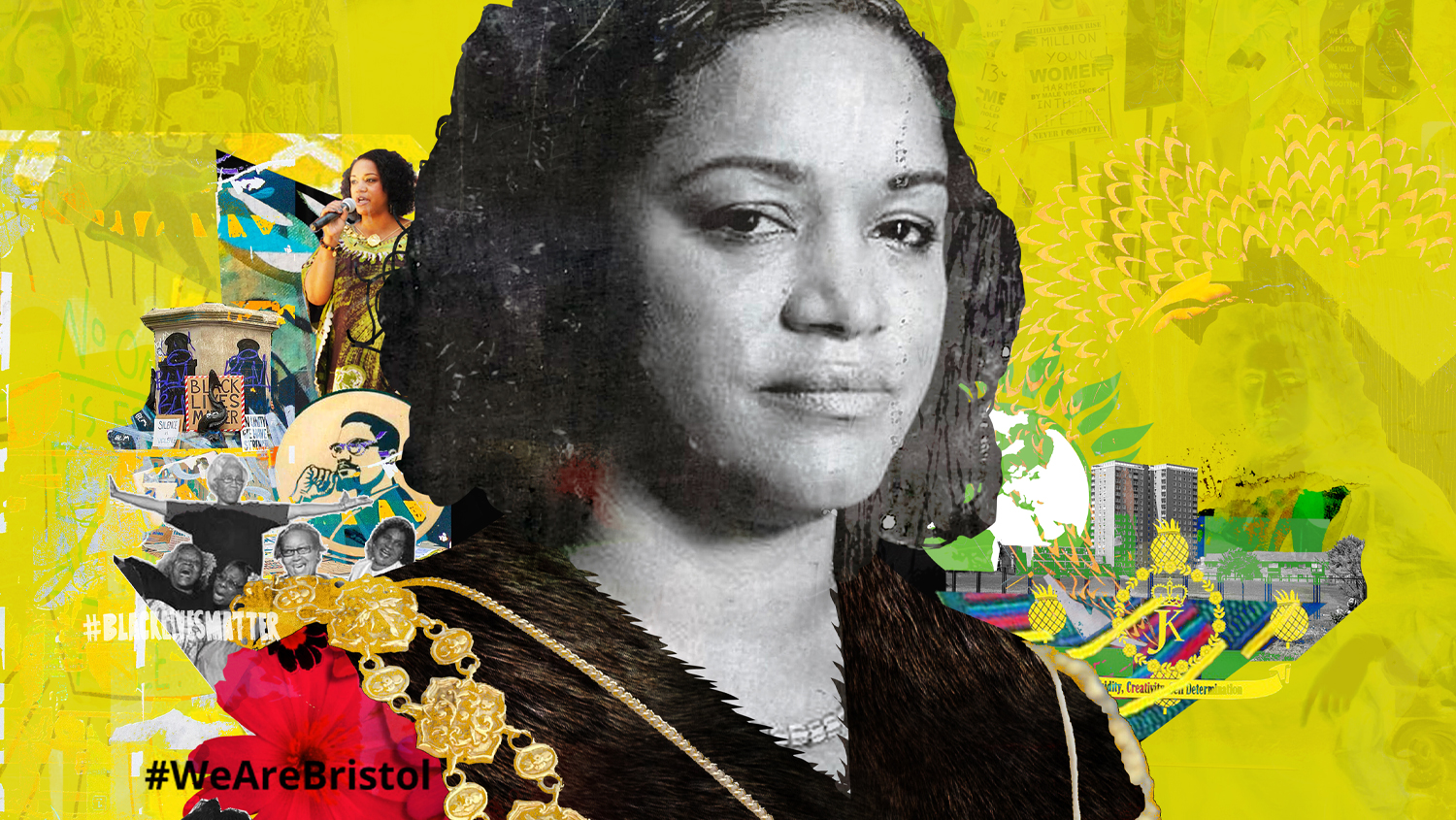

Bristol: A Brief Introduction
Today, the city of Bristol has a population of 467,000 and it is the most populous city in South West England. However, Bristol began life as a small settlement known as Brycgstow, established by the year 1000 AD where the rivers Frome and Avon join. The town became a county in 1373, the first town in England to be given this status. During this period, Bristol became a shipbuilding and manufacturing centre.
Since the 15th century Bristol has developed into a major UK city. The main reason for this is the international trade that took place from its port that brought a great deal of wealth to the city and to the merchants who controlled the Transatlantic Slave trade. These merchants included William de la Founte in the 15th century, Robert Kitchen in the 16th century and George White in the 17th century. These merchants transported enslaved people from West Africa to colonies in the Caribbean and America to provide free labour. This free labour enabled other trades and industries to flourish, including tobacco, sugar, cotton and banking.

Today, the city of Bristol has a population of 467,000 and it is the most populous city in South West England. However, Bristol began life as a small settlement known as Brycgstow, established by the year 1000 AD where the rivers Frome and Avon join. The town became a county in 1373, the first town in England to be given this status. During this period, Bristol became a shipbuilding and manufacturing centre.
Since the 15th century Bristol has developed into a major UK city. The main reason for this is the international trade that took place from its port that brought a great deal of wealth to the city and to the merchants who controlled the Transatlantic Slave trade. These merchants included William de la Founte in the 15th century, Robert Kitchen in the 16th century and George White in the 17th century. These merchants transported enslaved people from West Africa to colonies in the Caribbean and America to provide free labour. This free labour enabled other trades and industries to flourish, including tobacco, sugar, cotton and banking.
Bristol: A Brief Introduction
As an industrial city, Bristol is home to communities from many different backgrounds, including Bristolians of South Asian, East African, and Caribbean heritage. In the years following the Second World War, the British Government encouraged citizens from the British colonies abroad including the Caribbean to come and settle in the UK and contribute to the rebuilding of the economy.
Despite this encouragement, when these communities arrived in the country they were met with a lot of discrimination that refused them access to homes, jobs and positions of influence in the city. Before the Race Relations Act of 1968 immigrant communities had no legal protections against this discrimination. Even now, inequality still exists in the city of Bristol and across the country.
Bristol consistently ranks in the top 10 worst cities in the UK to grow up disadvantaged and African heritage in terms of schooling outcomes and employment opportunities. In 2017, an organisation that investigates racial inequality, The Runnymede Trust found that Bristol was ranked 159th out of 348 districts, for educational inequality. However, for people of African descent Bristol has the 3rd highest level of educational inequality in England and Wales. In 2020 the Bristol Post reported that one in six children are living in poverty in Bristol.
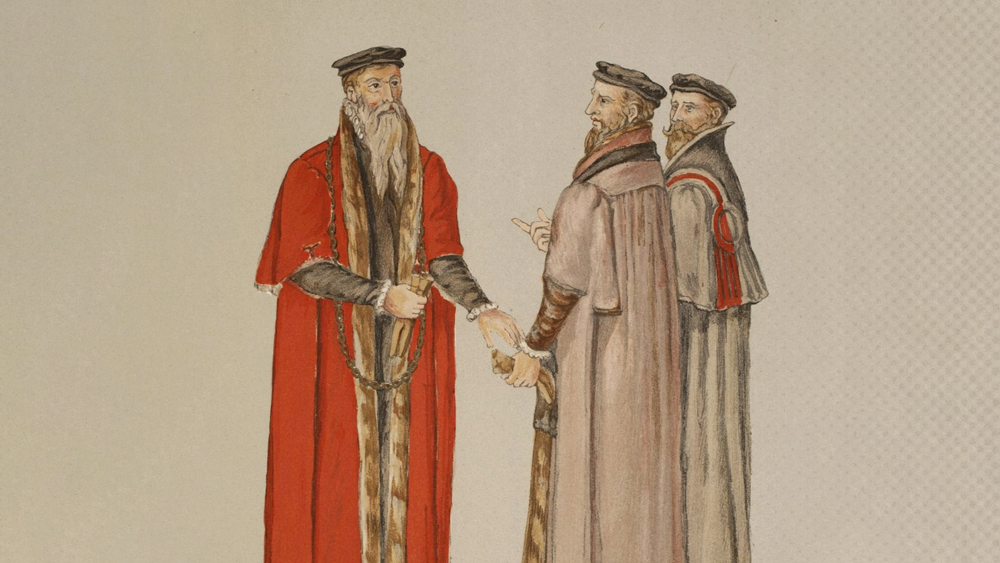
An illustration of a Lord Mayor
(on the far left) from the Elizabethan period (1558 - 1603).
(on the far left) from the Elizabethan period (1558 - 1603).
Lord Mayor of Bristol
The history of the Lord Mayor, stretches back over 800 years.
A Lord Mayor is a ceremonial position, meaning it is used for formal religious or public events. They are chosen from among the elected members of the city council and serve for one year. After that they usually become the Deputy Lord Mayor. Today, 23 cities in England have Lord Mayors.
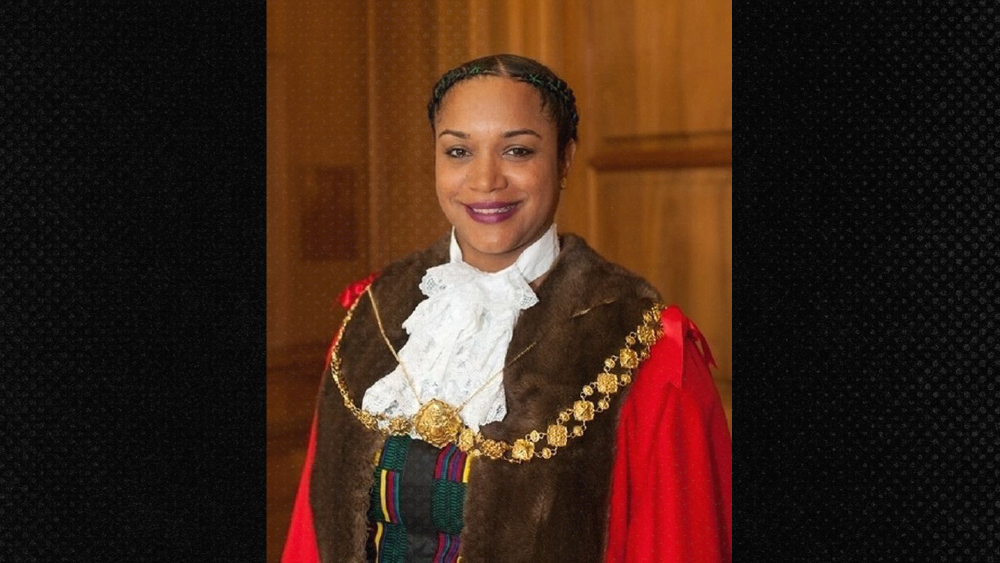
The Lord Mayor's red robes and feathered hat have their origins in medieval times. Scarlet is a royal colour and was worn as early as 1415 to represent authority from the King; the more fur on the robe, the greater the authority. The Chain is made of 23 carat gold.
The duties of the Lord Mayor include promotion of the city and supporting a wide range of Bristol-based organisations. The Lord Mayor undertakes hundreds of engagements a year, from major royal visits to small community group meetings and local charity events. The Lord Mayor, as first citizen of Bristol, is the person that welcomes important visitors and dignitaries to the city.
Queen of Hearts
Listen to the following poem written by Lawrence Hoo and performed by Sophia Harari
PLAY
Listen to the following poem written by Lawrence Hoo and performed by Sophia Harari
PLAY
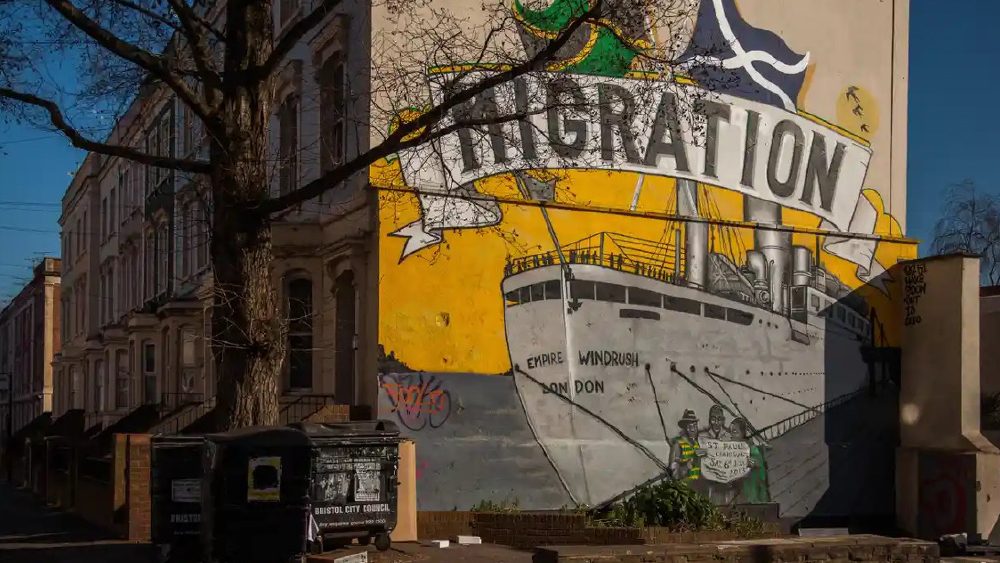
A mural in St Pauls, Bristol celebrating the arrival of the Empire Windrush from the Caribbean
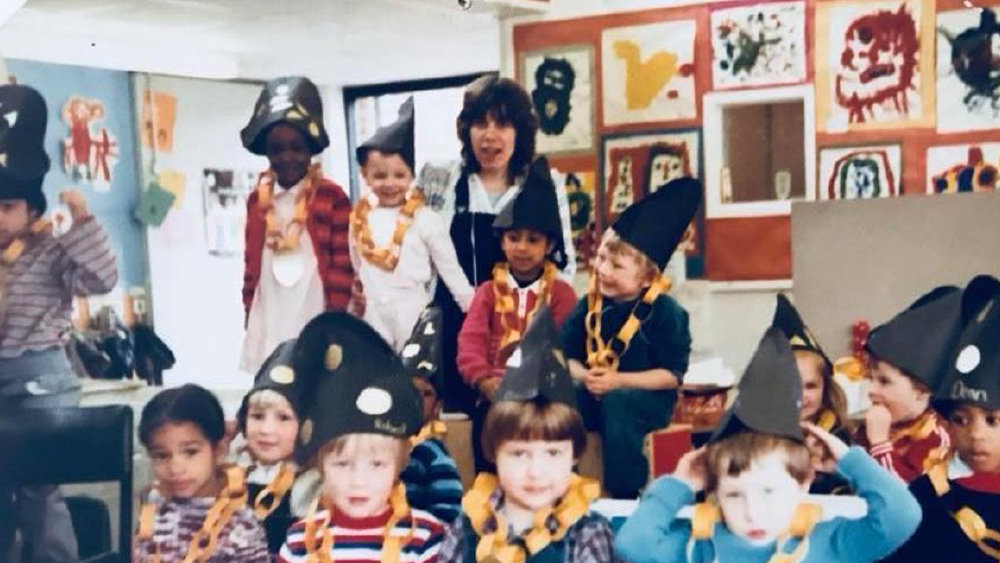
Cleo Lake (bottom left) with her primary school class, wearing Lord Mayor’s hats and chains that they had made out of paper.
Cleo Lake’s childhood experiences
Of African-Jamaican and Scottish roots, Cleo Lake is a community engagement professional, researcher, has been involved within the arts and culture sector for over two decades and is the former Lord Mayor of Bristol (2018-2019).
Cleo’s father was called Melbourne Hezekiah Lake, he was a proud African man born in St Thomas, Jamaica. He came from Akan* royalty and is highly likely to be connected to or descended from indentured labourers from Congo who brought with them a new wave of African cultural practice. He came to the UK in the 1950s and lived in Brixton, London, and then settled in Bristol.
Cleo’s mother was of Scottish descent, called Campbell.
Cleo grew up in Easton attended Easton Primary School where age 4, Cleo met the Lord Mayor at her nursery school. She remembers making a Lord Mayor’s hat and a chain necklace out of paper. Along with home education and attending various protests with her mother from a very young age, developed Cleo's critical thinking and quest for justice.
*Akan = people inhabiting southern Ghana and adjacent parts of Côte d'Ivoire (Ivory Coast).
Cleo Lake’s childhood experiences
Cleo spent her youth in Easton, a neighbourhood in central Bristol and remembers enjoying a great community spirit, her neighbours treating her on Eid and other neighbours treating her on Christmas, the comforting sound of Bristolian being spoken loudly as long standing residents discussed business and gossiped back and forth and her neighbour playing reggae. She says her street is where she learnt and that she wouldn’t have got to where she has without those neighbours and the community. Cleo’s father sadly died just hours after her 10th birthday.
Cleo attended the secondary school now known as Montpelier High School, formerly known as Colston Girls’ School. She reflects on these experiences as being far from easy. Every November she would have to join her classmates in annual commemoration of Colston as ‘he was presented as if he was a saint of Bristol’.
Cleo said: “Standing there in our school uniforms, there was no mention of the people captured in West Africa, branded with the initials RAC (Royal African Company), before being shackled and driven aboard ships to America and the Caribbean.
“No mention of the people thrown overboard or the human cost that enabled Colston’s riches to be used across Bristol.”
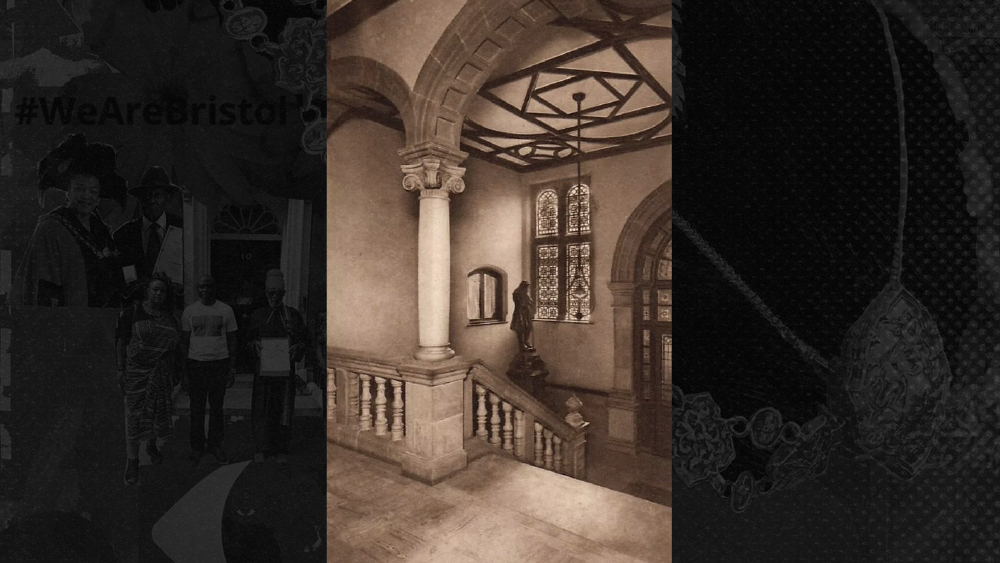
Edward Colston’s statue in Colston Girls’ School that Cleo attended.
Cleo’s influences
Cleo recalls several school-based protests including against the Iraq war. A turning point for Cleo was at age 8 or 9 her father walking her home from his restaurant Jamaican Good Food in St Paul's taking Cleo to hummingbird books store and buying her book Black Americana charting the achievements of African American from enslavement out of Africa by the Portuguese to modern day heroes and sheroes.
Cleos first insight into campaigning as an adult was through attending a jubilee 2000 drop the debt event at the cube cinema in circa 1998/9 where she met reparations campaigners Kofi Mawuli Klu and later went on to meet the son of W. E. B. Du Bois. Du Bois was well known as one of the foremost African American intellectuals of his era. The first African American to earn a PhD from Harvard University, Du Bois published widely before becoming *NAACP's director of publicity and research and starting the organization's official journal, The Crisis, in 1910. *NAACP= The National Association for the Advancement of Colored People.
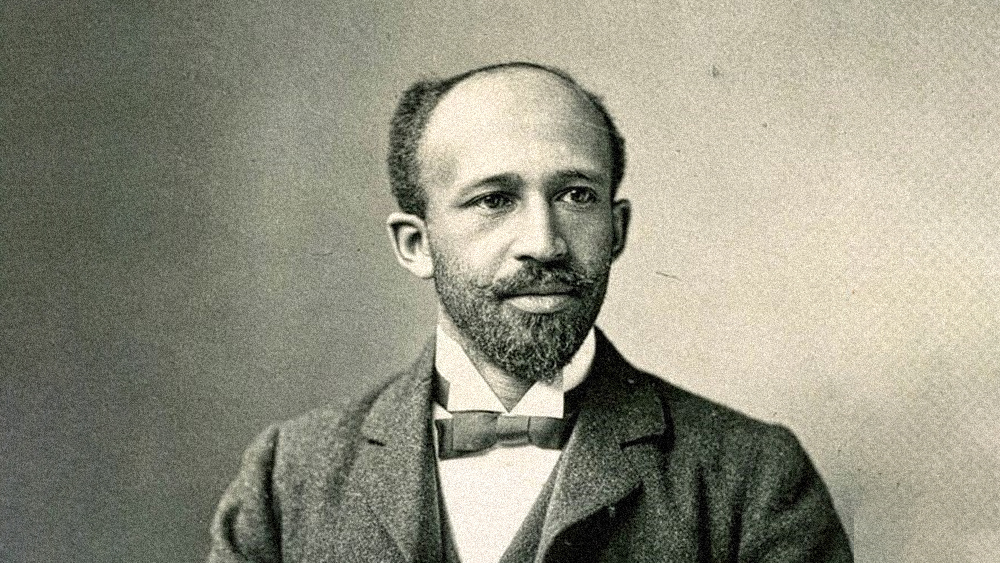
W. E. B. Du Bois
Cleo’s Influences: The Malcolm X Elders Forum
The Malcolm X Elders Forum provided Cleo with work and support when she needed it and she counts them as her friends. The Malcolm X Elders Forum is a group of African Caribbean elders who meet in St Pauls to discuss shared experiences. They also put on theatre performances. Working with the club also gave her an opportunity to learn about her own history and culture.
The Malcolm X Elders Forum provided Cleo with work and support when she needed it and she counts them as her friends. The Malcolm X Elders Forum is a group of African Caribbean elders who meet in St Pauls to discuss shared experiences. They also put on theatre performances. Working with the club also gave her an opportunity to learn about her own history and culture.
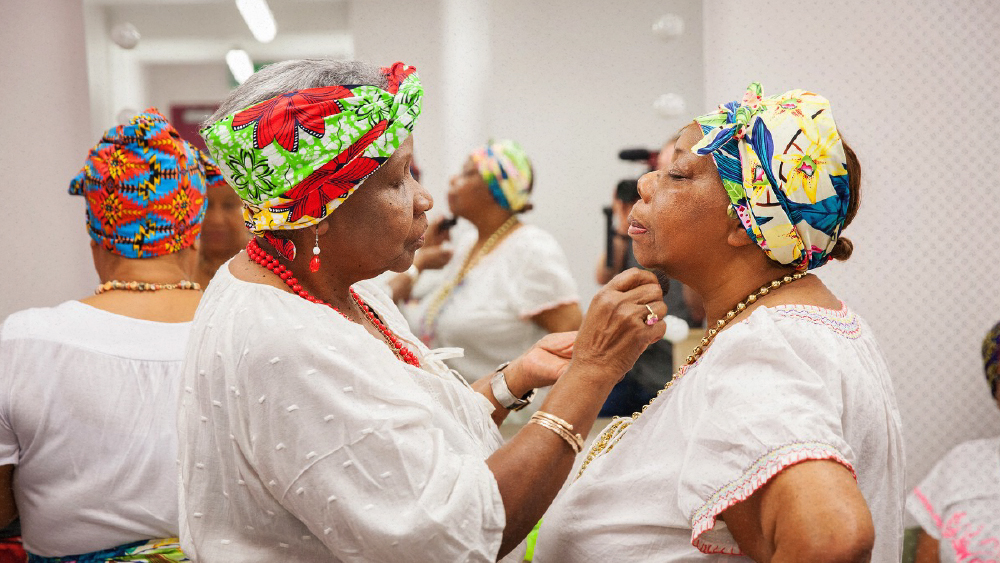
Members of the Malcolm X Elders Forum
Cleo Lake’s timeline
1979 - Cleo Lake is born in Bristol
1990 - Cleo attends Colstons Girls School
2013 - Cleo Lake becomes Chair of the St Pauls Carnival
2015 - Cleo Lake is one of the founders the Countering Colston Campaign
2016 - Cleo Lake is elected by the public as a Green Party Councillor for Bristol
2017 - Cleo Lake works on the campaign “Justice for Judah” which was launched after Bristol grandfather Ras Judah Adumbi was assaulted by the police.
2018 - Cleo Lake becomes Lord Mayor for Bristol
2019 - Cleo Lake becomes Deputy Lord Mayor for Bristol
2020 - Cleo Lake stands for election to be the next Deputy Leader of the Green Party for England and Wales.
2021 - Cleo Lake stands for election as the Police and Crime Commissioner for Avon and Somerset.
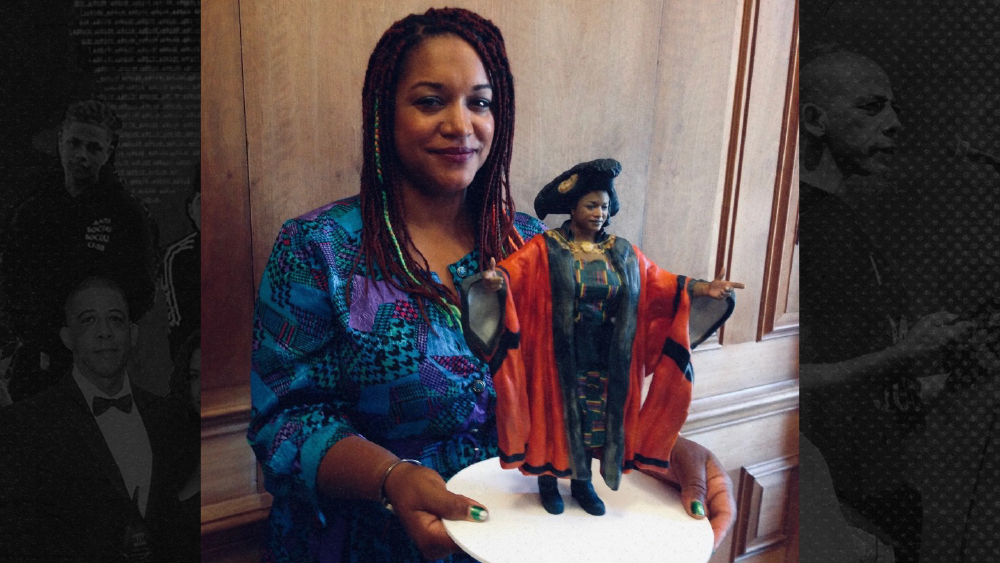
Chair of the St Pauls Carnival
Growing up Cleo Lake experienced how art and performance can be used to tell positive and empowering stories that build understanding between people. The St Pauls Carnival is a major community arts event which was started in 1968. It was created to celebrate Caribbean culture and bring people together. In 2013 Cleo Lake became the Chair of the St Paul’s Carnival. When funding was withdrawn from the Carnival she campaigned to keep the Carnival going.
“I'm from the community, I'm of Afro-Caribbean descent and I'm passionate about Bristol. I want people to know that St Paul's African and Caribbean Carnival will continue.”
- Cleo Lake, speaking as Chair of the St Pauls Carnival Committee
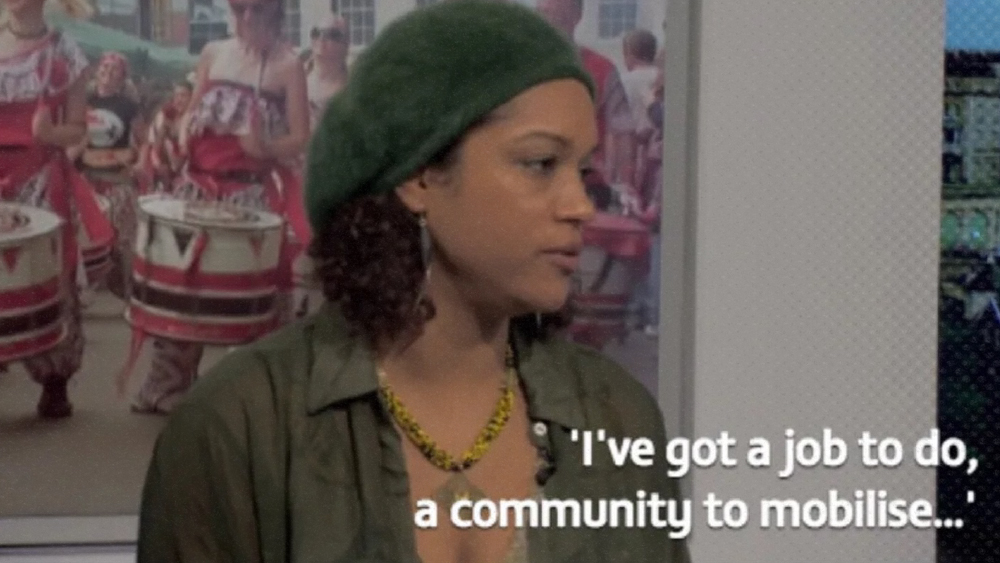
Cleo Lake appeared on ITV news to speak about the St Pauls Carnival when funding was withdrawn.
The Green Party
Since 1973 the Green Party has been leading the way on action to tackle the climate crisis and nature crisis.
The party's ideology combines environmentalism with left-wing economic policies, including well-funded and locally controlled public services. It advocates a steady-state economy with the regulation of capitalism, and supports proportional representation.
It takes a progressive approach to social policies such as civil liberties, animal rights, LGBT rights, and drug policy reform. The party also believes strongly in non-violence, universal basic income, a living wage, and democratic participation.
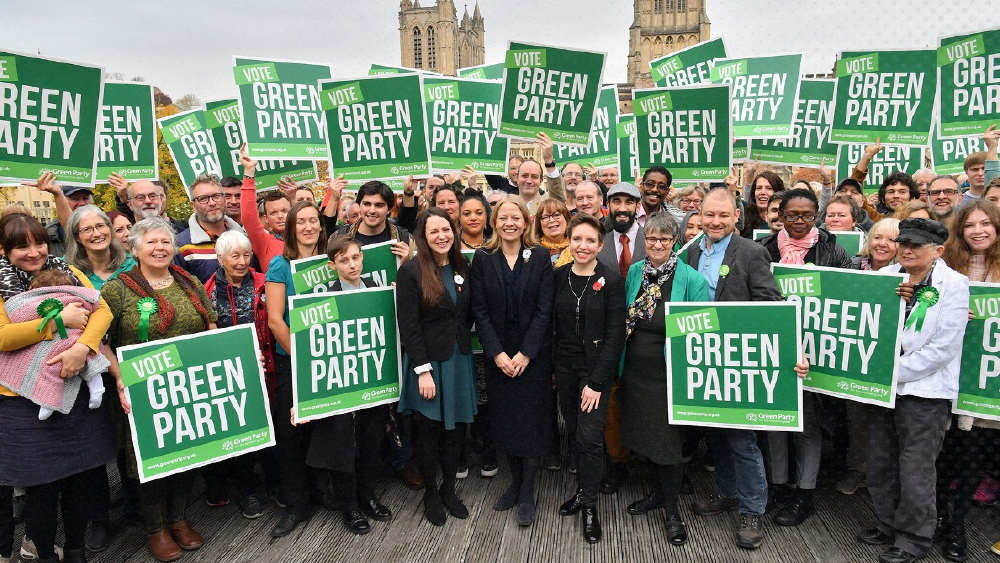
In 2016 Cleo Lake was elected by the public as a Green Party Councillor for Bristol.
The Countering Colston Campaign
Edward Colston (1636 - 1721) was a Bristol Merchant who became rich by transporting enslaved people from West Africa to the colonies in the Caribbean.
Because Colston gave some money to schools and other causes in Bristol there are many memorials to him around the city such as artwork and place names.
Because Colston traded in enslaved people the Countering Colston Campaign do not agree that Colston should be memorialised in this way.
Cleo Lake went to a school that was named after Colston. As a member of the group, Cleo has campaigned for changes across the city including the renaming of streets and buildings.
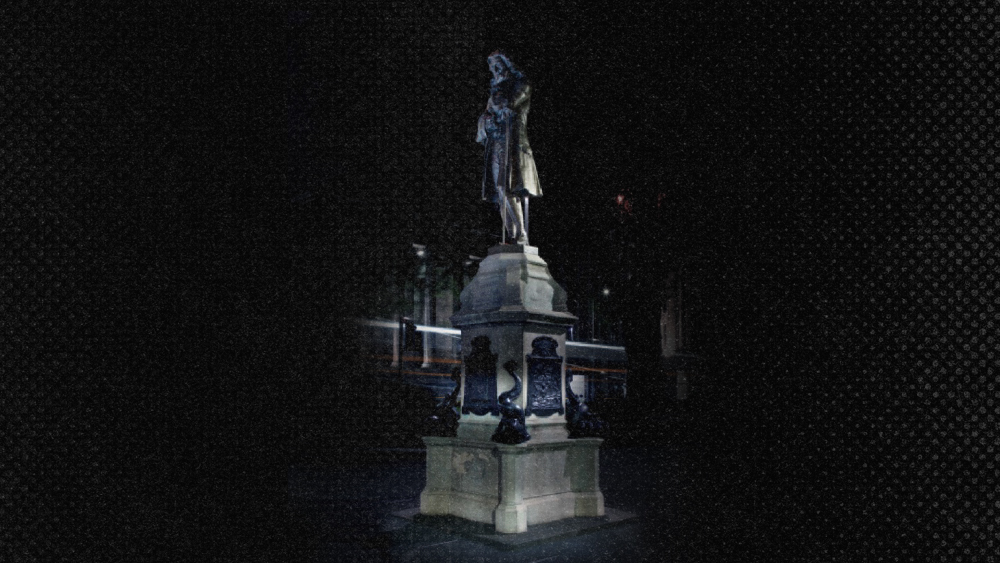
The statue of Edward Colston in Bristol before it was toppled in 2020
Cleo as a Councillor
Cleo Lake has a reputation as a strong activist for social justice and campaigner. She campaigns to support *grassroots culture in the city and for positive change in the relationship between communities and the Police force. From 2016 Cleo was elected by Bristolians to be a Green Party Councillor for the *constituency of Cotham
*grassroots = The ordinary people in a society or an organization.
*constituency = A group of voters in a specified area who elect a representative to a legislative body.
*legislative = Having the power to make laws.
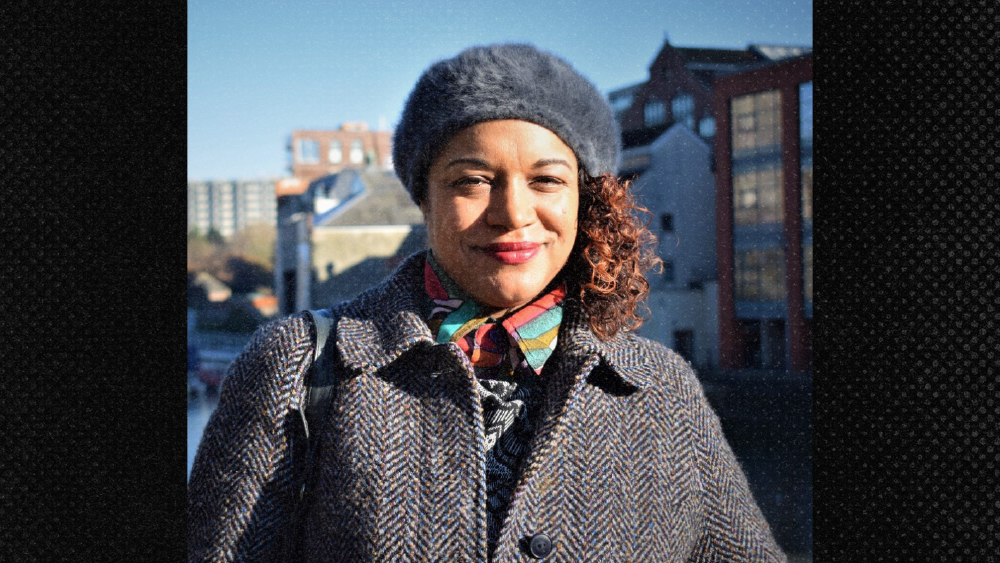
Cleo Lake Becomes Lord Mayor of Bristol
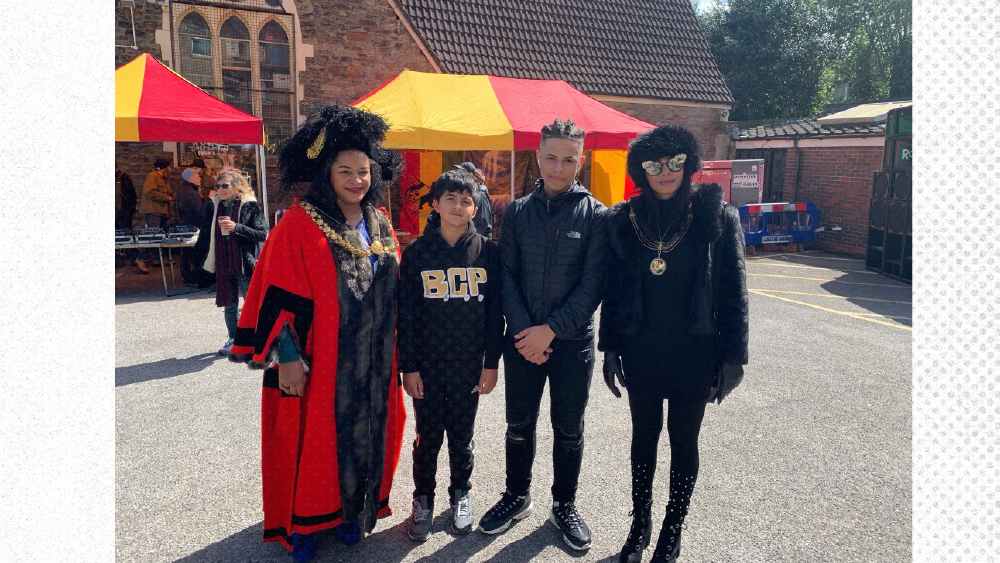
In 2018 Cleo became the 10th female Lord Mayor in 800 years, the first ever Green Party Lord Mayor in Bristol and the second Lord Mayor of African Heritage and the first female Lord Mayor of African Heritage.
Cleo believes that without her involvement with her local community and their support, she may not have made it to her position as Lord Mayor.
The fall of Colston
Cleo had a painting of the slave trader Edward Colston removed from the Lord Mayor’s office in City Hall, where Bristol Local government meet. She also had a portrait of Robert Craggs-Nugent, an Irish politician removed after finding that it was linked to slavery.
“I do not think that such portraits should grace the walls of the office of ... a forward-looking, creative and diverse city like Bristol,”
- Cleo Lake
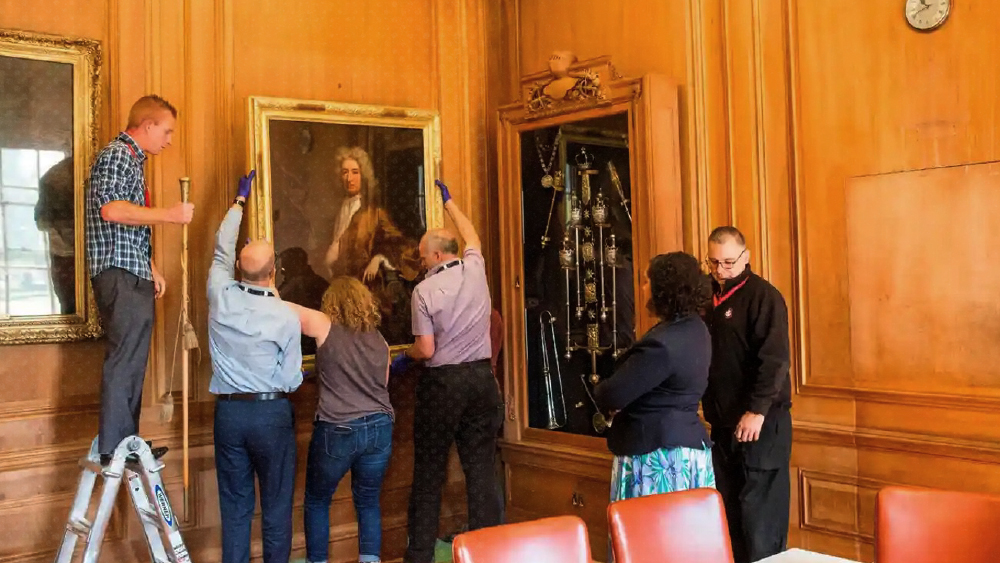
The portrait of Edward Colston is removed from Cleo Lake’s office in 2018. Photograph from the Bristol Post.
The fall of Colston
“Many of the issues today such as Afriphobia, racism and inequality stem from this episode of history where people of African descent were dehumanised to justify enslaving them...so change must also be ushered in”
- Cleo Lake, speaking to the Guardian in 2018 about the removal of the portrait of Edward Colston from her office.
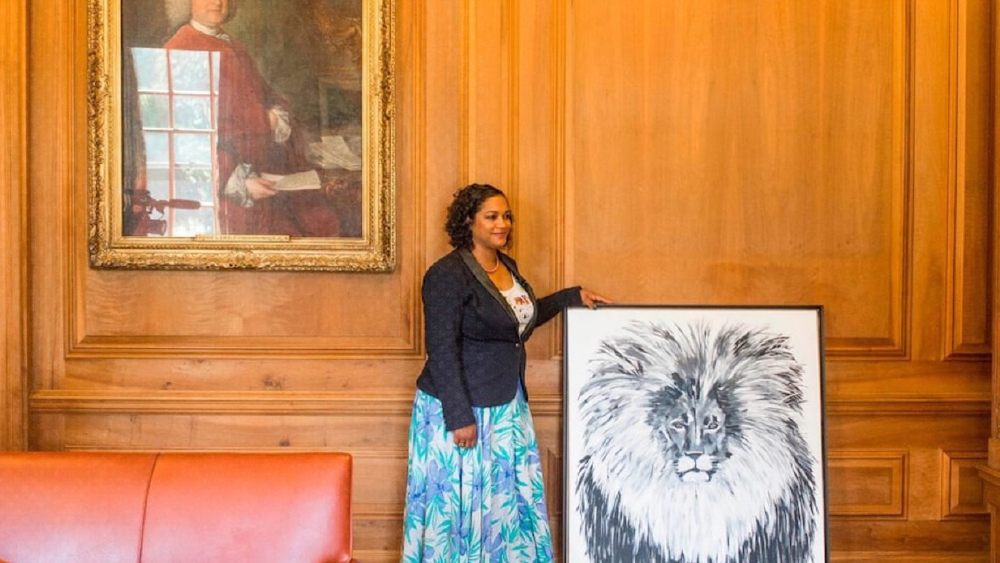
Cleo Lake standing next to the new artwork she put up in her Lord Mayor’s office, which she bought at an auction to raise funds for a homelessness charity.
Reparations
Why does Cleo Lake talk about *Reparations?
The Slavery Abolition Act was passed in 1833, and 46,000 people who made money from the enslavement of African people were given money to compensate them for this, because the enslaved people were considered their “property”. The compensation money that was given totalled £20 million which is £16 billion in today’s money. This was called the Slave Compensation Act of 1837.
No compensation was given to the people who had been enslaved, or their children. This has contributed to economic inequalities that still exist today.
*Reparation = Payment for harm, loss, or damage that has been caused.
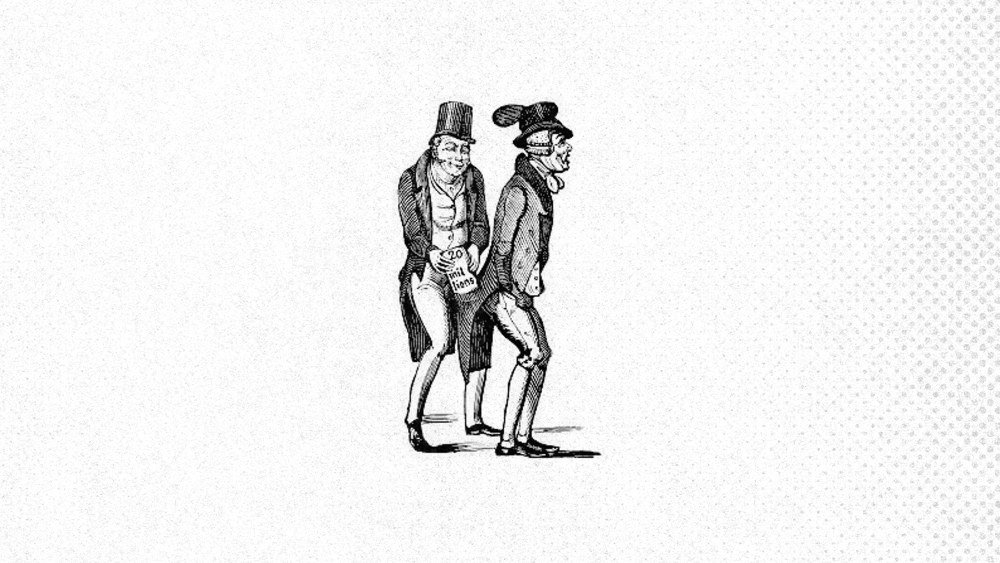
From the cartoon ‘Slave Emancipation; Or, John Bull Gulled Out Of Twenty Millions’ by C.J. Grant.
Action for Reparations
In 2019 when Cleo Lake was an elected Green Party Councillor in Bristol City Council, she set up a vote to decide whether Bristol Council should deliver an “atonement and reparations” plan for Bristol’s role in the Transatlantic Slave Trade. In 2021, Bristol Councillors agreed to this by a vote of 47 against 12.
"Reparations is not a paycheque for the descendants of people who were enslaved, it is a process outlined by the UN which looks for holistic repair. This can include public apologies, social justice initiatives, education or cultural projects, commemorative ceremonies, affirmative action and much more." Cleo Lake
*holistic = dealing with or treating the whole of something or someone and not just a part.
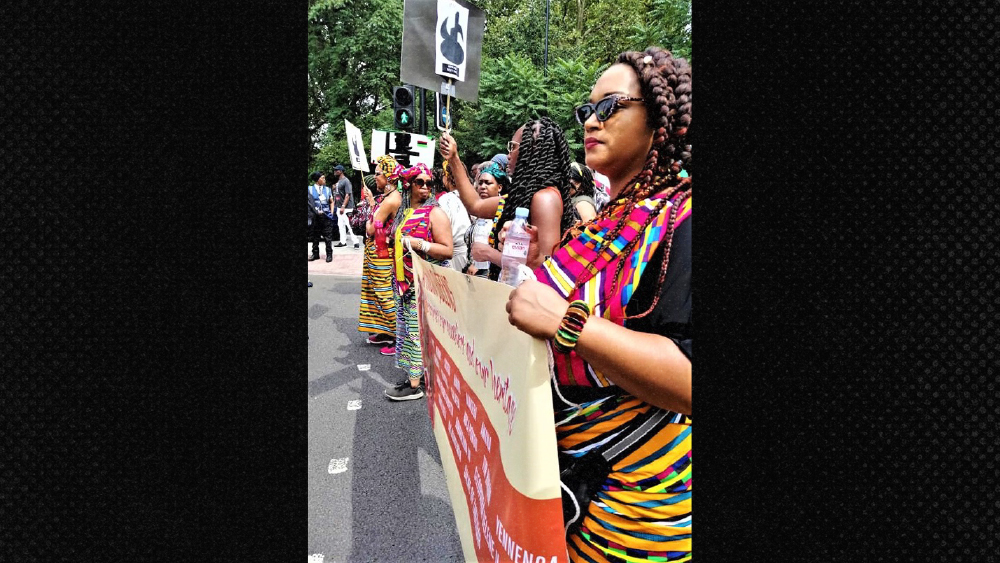
Cleo Lake joins a demonstration for reparations in 2020
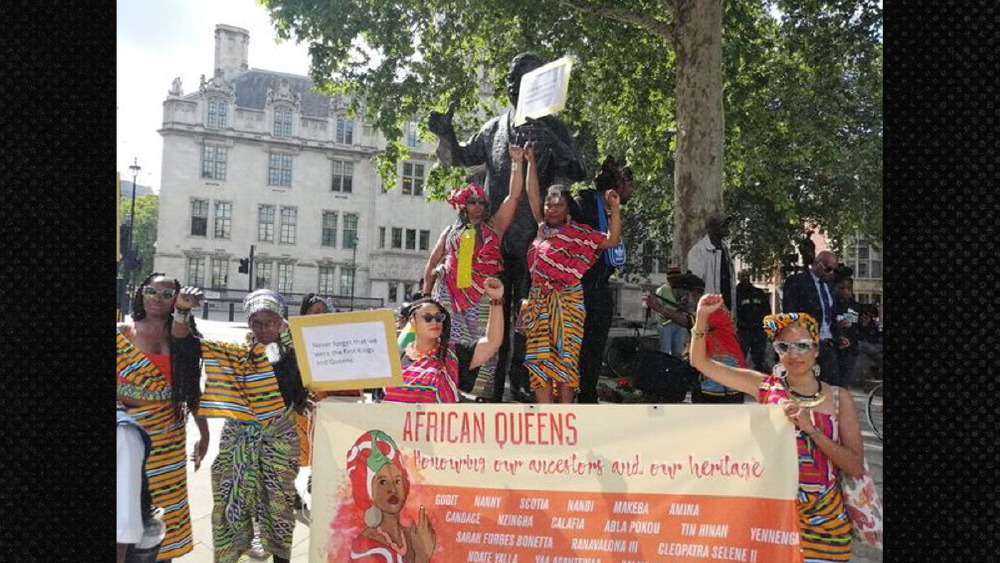
Cleo Lake joins a demonstration for reparations in 2020
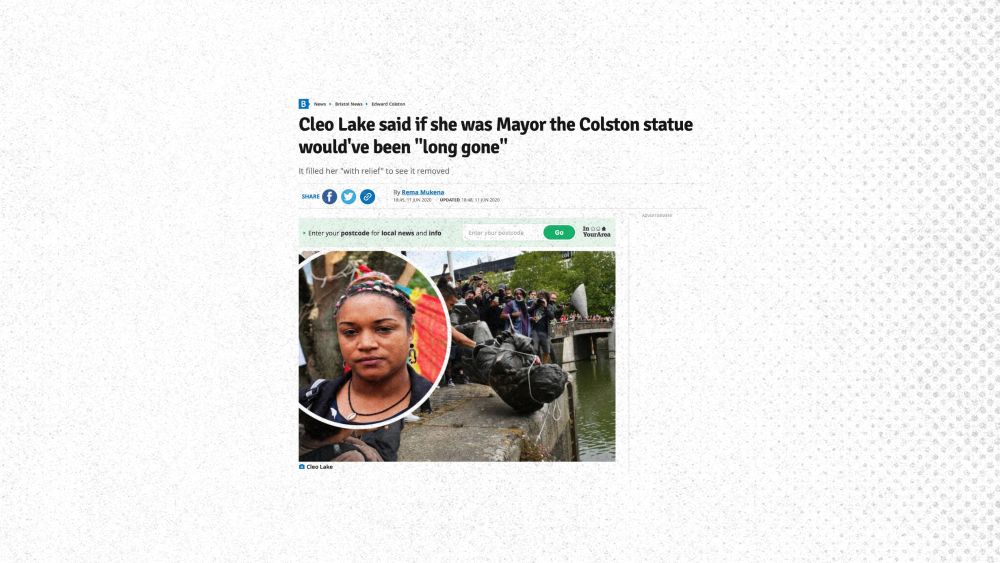
The Toppling of Slave Trader Edward Colston
On 7 June 2020 the statue of Slave trader Edward Colston in Bristol city centre was toppled by members of the public during a peaceful Black Lives Matter protest. This was part of a wave of world wide protests following the murder of George Floyd, an African American man at the hands of police in Minnesota, USA.
On 7 June 2020 the statue of Slave trader Edward Colston in Bristol city centre was toppled by members of the public during a peaceful Black Lives Matter protest. This was part of a wave of world wide protests following the murder of George Floyd, an African American man at the hands of police in Minnesota, USA.
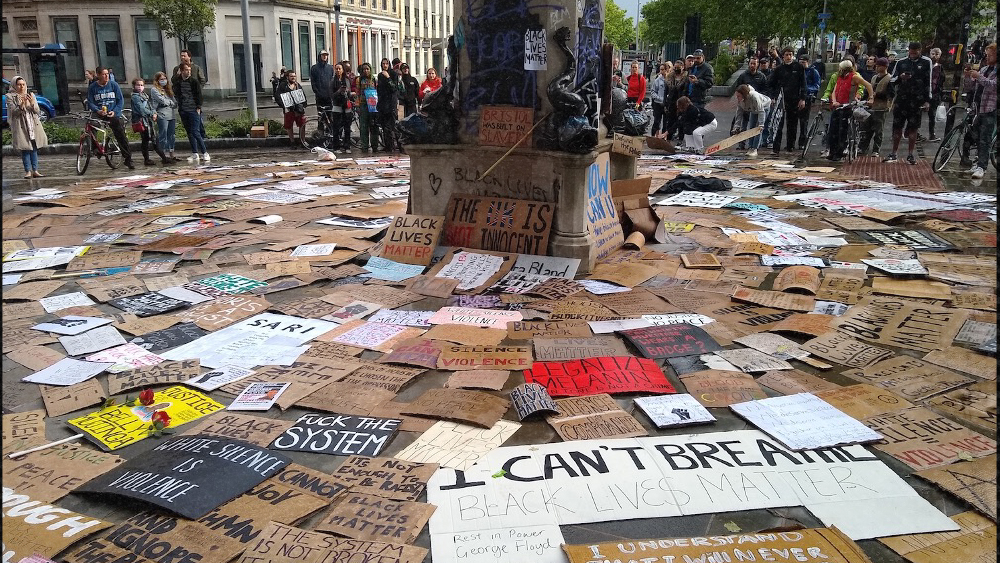
The empty plinth where the statue of Edward Colston stood. Surrounded by the placards of Black Lives Matter campaigners
Police and Crime Commissioner for Avon & Somerset
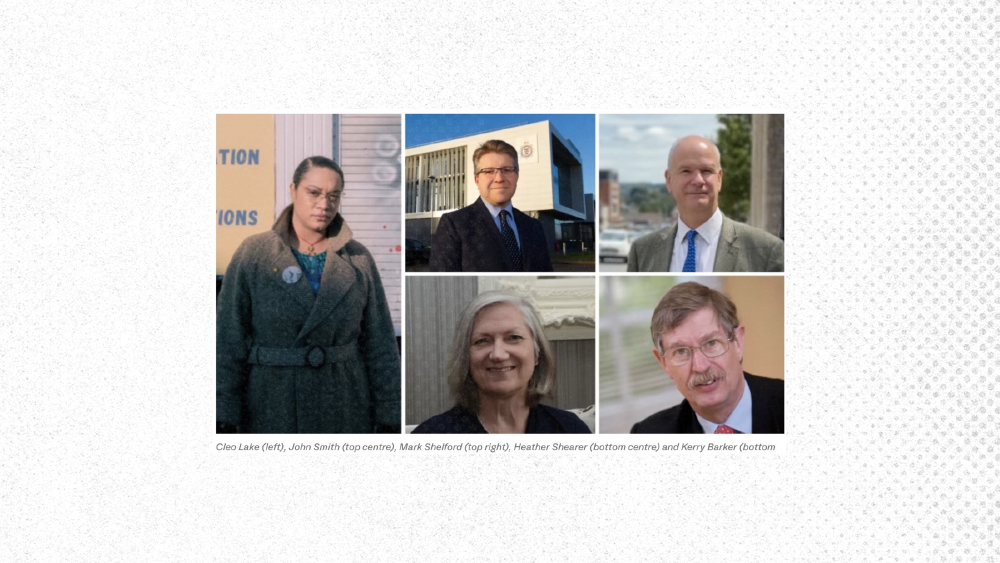
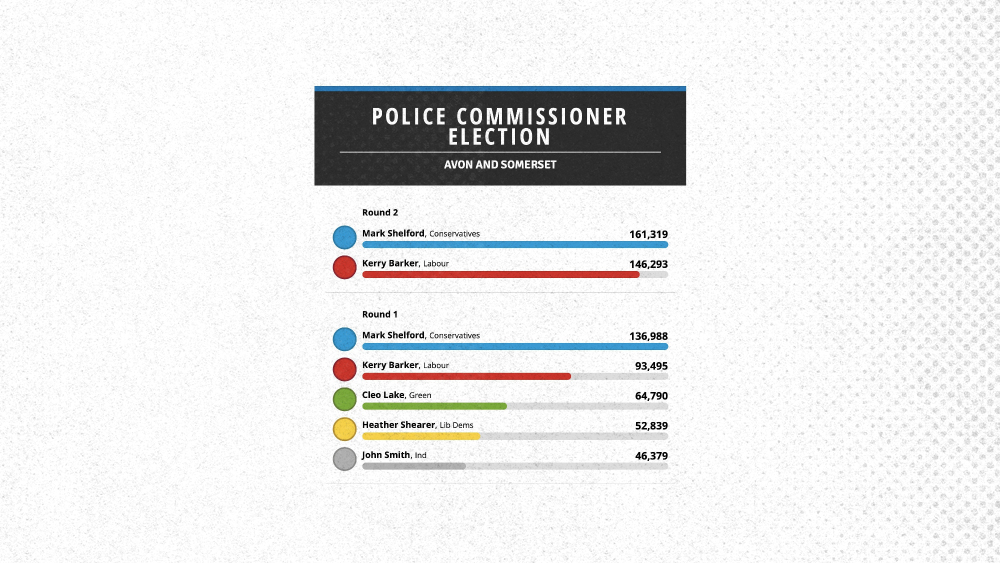
In 2021 Cleo Lake stood for election as the Police and Crime Commissioner for Avon and Somerset. Cleo said she was a “change maker” who viewed the world differently from her “typical older white men” opponents. She promised to review the culture within the police force, tackle systemic problems and build confidence in marginalised communities.
After the Kill the Bill protests in Bristol that descended into violence on both sides, Cleo said: “I support the right to protest. I can’t condone violence, I stand for peace. Being someone of African heritage, via Jamaica, without uprisings my ancestors would have been enslaved for a lot longer. We need systemic change. It’s about how we nurture and support young people to instigate change in a way that’s going to be acceptable and more peaceful for more people. That requires institutions to listen and change – before they’re forced to change.”
Cleo came third in the election of Police commissioner.
Cleo vision is that ‘out of many we can be one Bristol
Along her journey, much Cleo has learned
A knowledge gained that’s duly returned
With having no fear of entering new spaces
Cleo Lake in connecting unsuspecting faces
Pulling together Bristol’s cultural community
Breaking barriers down, rebuilding unity
Extract from Queen of Hearts poem
Along her journey, much Cleo has learned
A knowledge gained that’s duly returned
With having no fear of entering new spaces
Cleo Lake in connecting unsuspecting faces
Pulling together Bristol’s cultural community
Breaking barriers down, rebuilding unity
Extract from Queen of Hearts poem
“The shape of the world children born now will inhabit, will be determined not just by politicians and billionaires. But by millions of supposedly ordinary people like you and me who choose whether or not to engage with difficult issues, to try and grasp history, to find their place in it. To choose whether to act or do nothing when faced with the mundane (unexciting) and mammoth conflicts of everyday life.”
Akala, Race and Class in the Ruins of Empire, 2018
Add a comment.
Please let us know your thoughts.
Choose your Avatar
I AM NOT A ROBOT
SUBMIT

"I would have loved to have seen things differently when I was younger."
Tom Simplson

"We’re slowly trying to find it ourselves, Because it was lacked in the curriculum"
A Student

"It's incredible that his history still hasn't been given a fair representation,"
Lawrence Hoo
"It has become a tsunami of enlightenment and information"
A Student
Please let us know your thoughts.
Choose your Avatar
I AM NOT A ROBOT
SUBMIT
"I would have loved to have seen things differently when I was younger."
Tom Simplson
"We’re slowly trying to find it ourselves, Because it was lacked in the curriculum"
A Student
"It's incredible that his history still hasn't been given a fair representation,"
Lawrence Hoo
"It has become a tsunami of enlightenment and information"
A Student