

Loading Lesson

The West Indies: A Brief Introduction
The Caribbean islands were originally inhabited by the Redware people, the Caribs, and the Arawak group of indigenous peoples including the Taíno people.
From the 15th century, Europeans including the Spanish, British, French and Dutch began to invade these islands and create colonies. They gave the islands new names and brought over people they had enslaved from West Africa.
In 1655 the British invaded the island of Jamaica and defeated the Spanish to claim it as a colony and part of the British Empire. In that same century the island of Barbados was also made a British colony. Then in 1802 the islands of Trinidad and Tobago became a colony. Enslaved African people were used for labour on sugar cane plantations.
After 1833 when the trade in enslaved people was declared illegal, people from India, China and Portugual were brought to these islands to work under a new system called Indentured Labor. Some historians including Hugh Tinker called it “a new system of slavery”.
* Colony = a country that is controlled politically by another country.
* Enslave = to cause someone to lose their freedom of choice and action; slave.

The Caribbean islands were originally inhabited by the Redware people, the Caribs, and the Arawak group of indigenous peoples including the Taíno people.
From the 15th century, Europeans including the Spanish, British, French and Dutch began to invade these islands and create colonies. They gave the islands new names and brought over people they had enslaved from West Africa.
In 1655 the British invaded the island of Jamaica and defeated the Spanish to claim it as a colony and part of the British Empire. In that same century the island of Barbados was also made a British colony. Then in 1802 the islands of Trinidad and Tobago became a colony. Enslaved African people were used for labour on sugar cane plantations.
After 1833 when the trade in enslaved people was declared illegal, people from India, China and Portugual were brought to these islands to work under a new system called Indentured Labor. Some historians including Hugh Tinker called it “a new system of slavery”.
* Colony = a country that is controlled politically by another country.
* Enslave = to cause someone to lose their freedom of choice and action; slave.
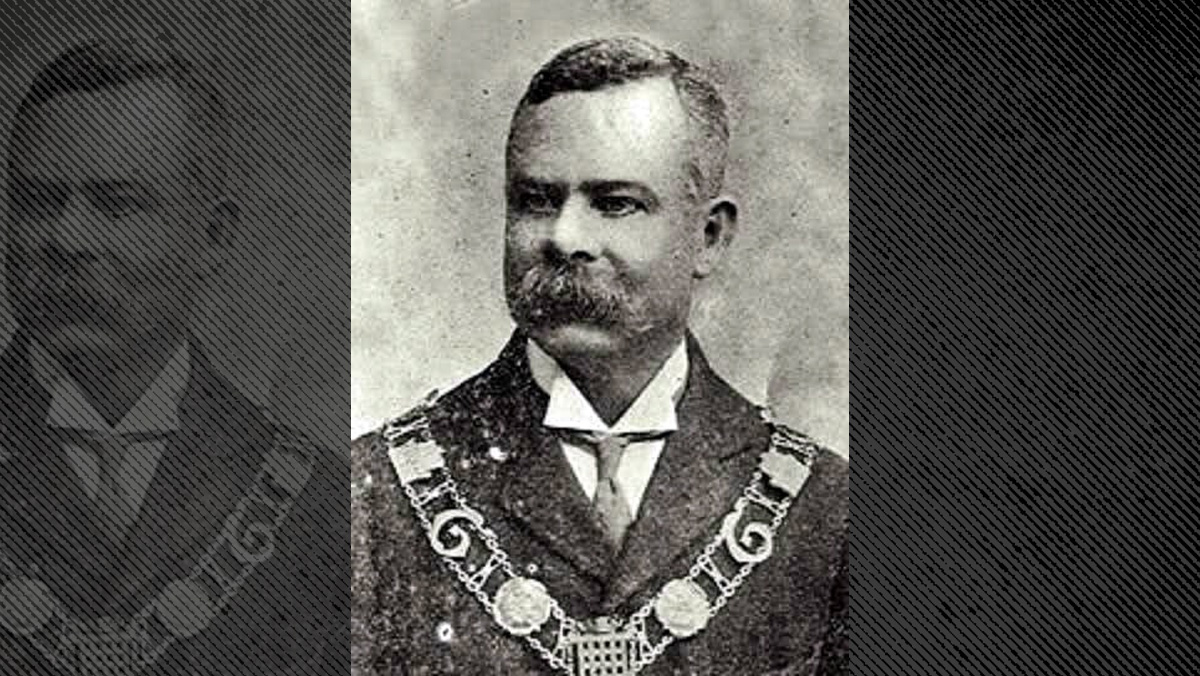
Dr Allan Glaisyer Minns
British people of African Caribbean descent
Bahamian Dr Allan Glaisyer Minns became the first mayor in Britain of African descent when he was elected Mayor of Thetford, Norfolk, in 1904.
Bahamian Dr Allan Glaisyer Minns became the first mayor in Britain of African descent when he was elected Mayor of Thetford, Norfolk, in 1904.

Claude McKay
British people of African Caribbean descent
The Jamaican poet and communist activist, Claude McKay came to England following the First World War and became the first British journalist of African descent.
The Jamaican poet and communist activist, Claude McKay came to England following the First World War and became the first British journalist of African descent.
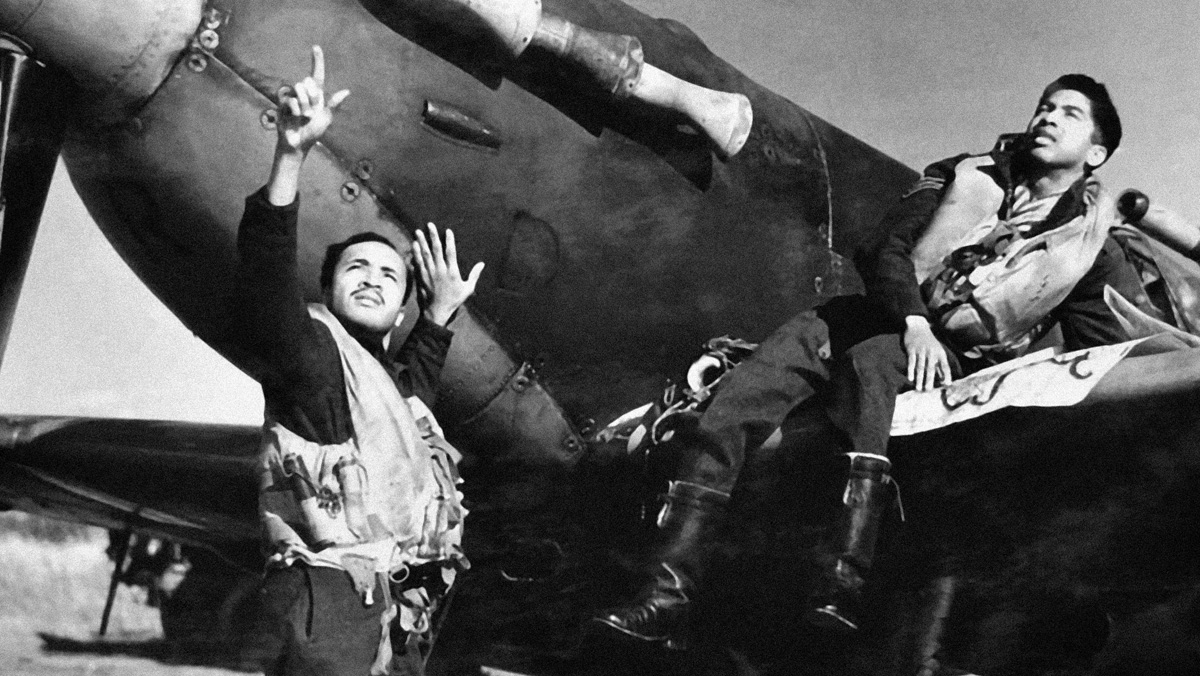
Bajan and Trinidadian pilots
British people of African Caribbean descent
Bajan and Trinidadian pilots in the Royal Air Force during the Second World War.
Bajan and Trinidadian pilots in the Royal Air Force during the Second World War.

A Call from the British Government
Following the end of the Second World War in 1945, the UK was in dire need of repair. A huge rebuilding effort began, as many British cities had been destroyed by the Blitz, and the new National Health Service (the NHS) needed medical and other staff from overseas to make it work.
The British Nationality Act of 1948 gave citizenship to all people living in the UK and its Colonies, which included all the people living in Jamaica, Barbados, Trinidad and Tobago. The British Government encouraged these citizens to come and settle permanently in the UK.
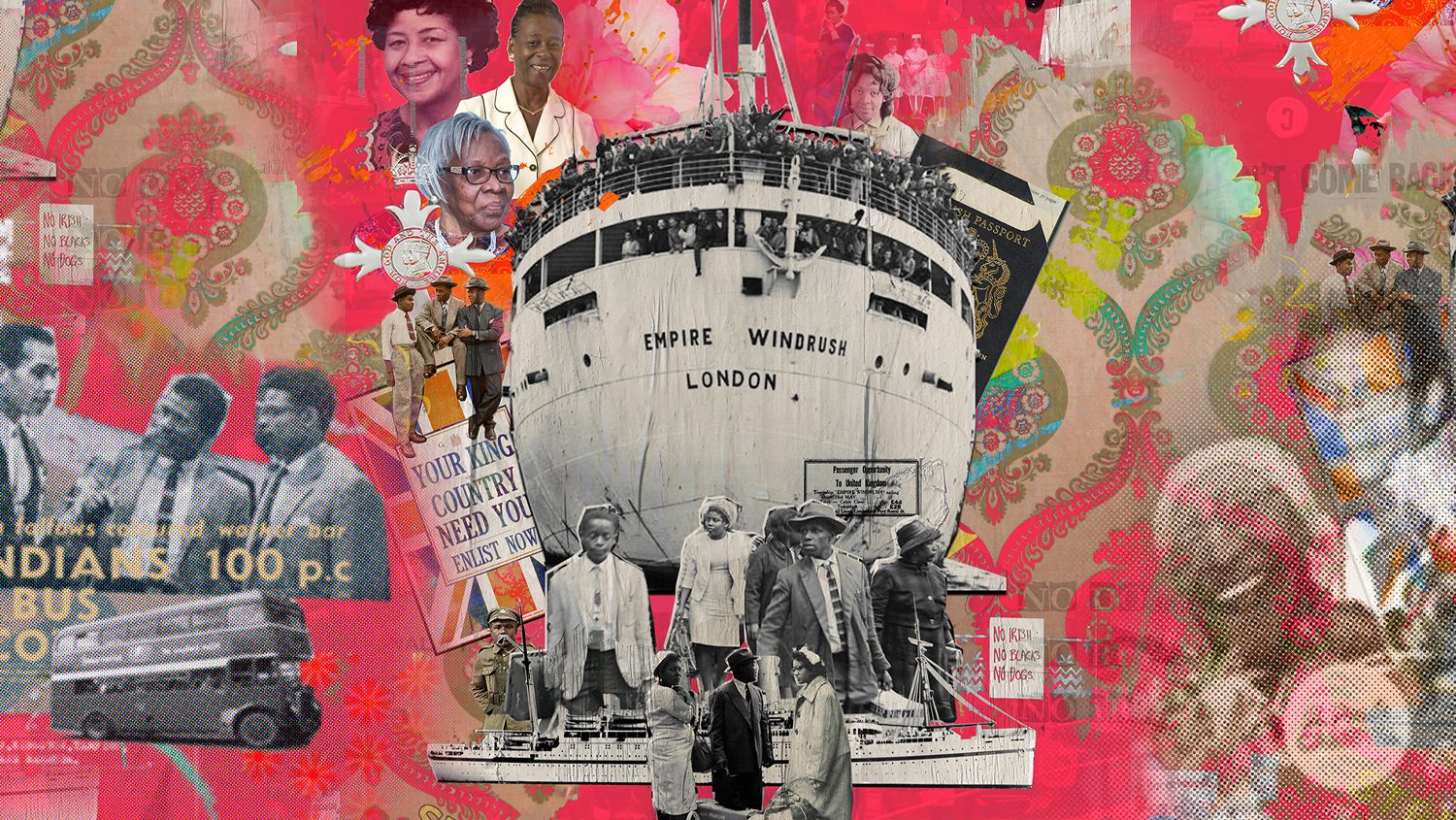
The Windrush generation are defined as those people who arrived in the UK from Caribbean countries between 1948 and 1971. They were given this name after the ship - The Empire Windrush - which brought the first people over from Jamaica, Trinidad and Tobago and arrived in London on 22nd June 1948.
Following the end of the Second World War in 1945, the UK was in dire need of repair. A huge rebuilding effort began, as many British cities had been destroyed by the Blitz, and the new National Health Service (the NHS) needed medical and other staff from overseas to make it work.
The British Nationality Act of 1948 gave citizenship to all people living in the UK and its Colonies, which included all the people living in Jamaica, Barbados, Trinidad and Tobago. The British Government encouraged these citizens to come and settle permanently in the UK.
The Windrush generation are defined as those people who arrived in the UK from Caribbean countries between 1948 and 1971. They were given this name after the ship - The Empire Windrush - which brought the first people over from Jamaica, Trinidad and Tobago and arrived in London on 22nd June 1948.


The Empire Windrush
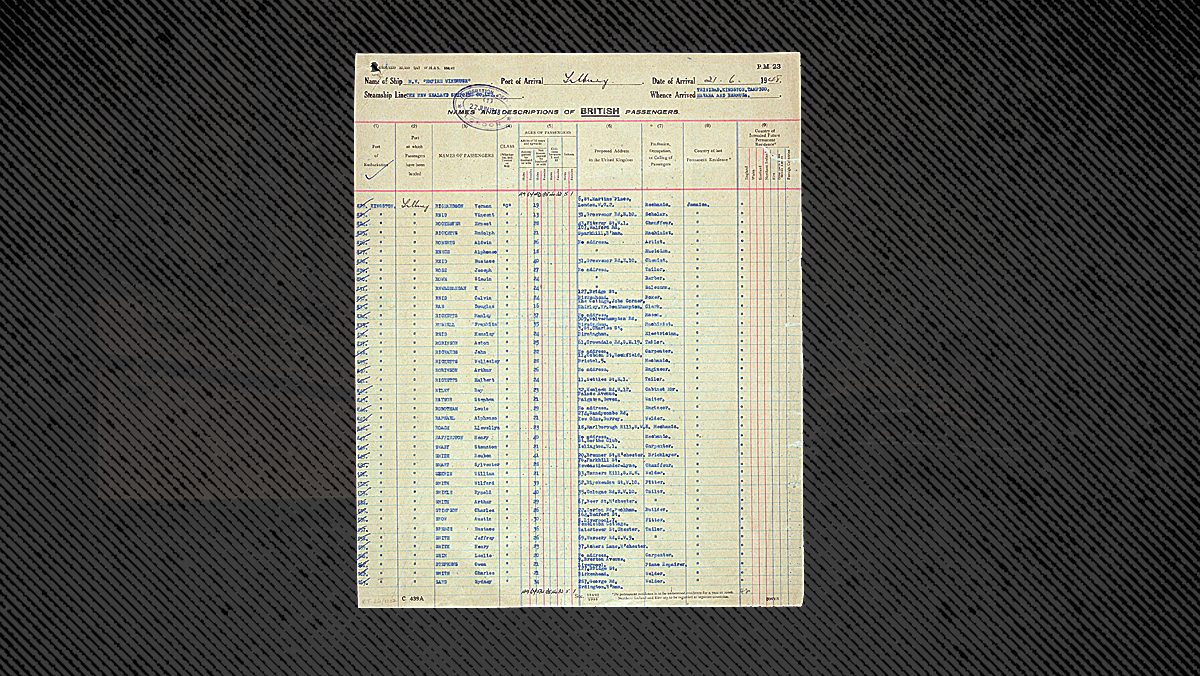
Passenger List

Passengers

Windrush arrivals
A hostile environment
However, British society was a hostile environment for those who arrived from the Caribbean. Before the Race Relations Act was passed in 1965, there was no legal protection against discrimination. It was not illegal to refuse someone a place to live, a job or a bank account because of the prejudice against people of African descent which was embedded in British culture.
One example of this is that the Bristol Omnibus Company refused to employ bus crews of African or African Diaspora descent, or of Asian descent.
However, British society was a hostile environment for those who arrived from the Caribbean. Before the Race Relations Act was passed in 1965, there was no legal protection against discrimination. It was not illegal to refuse someone a place to live, a job or a bank account because of the prejudice against people of African descent which was embedded in British culture.
One example of this is that the Bristol Omnibus Company refused to employ bus crews of African or African Diaspora descent, or of Asian descent.
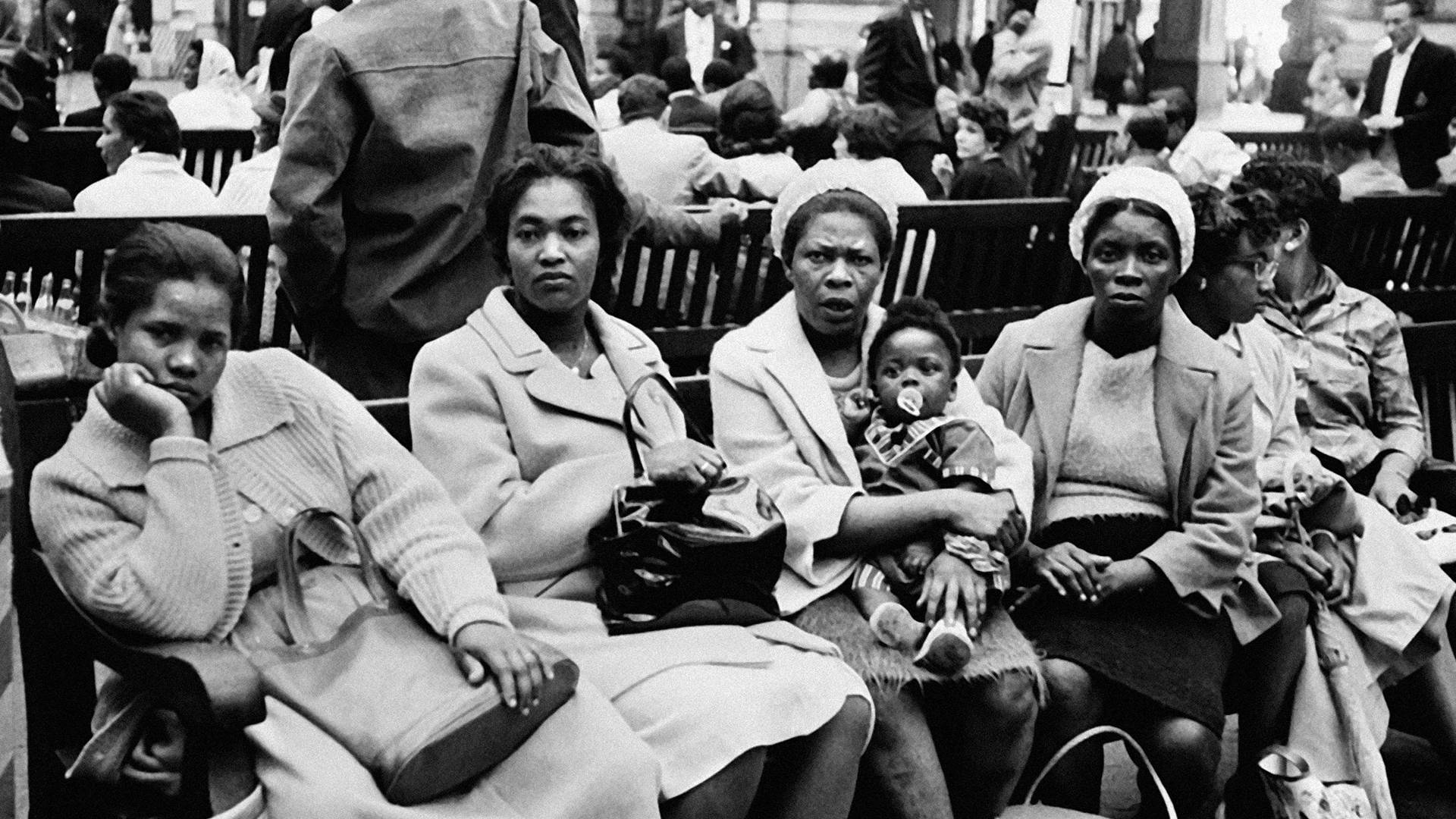
What does it mean to be a British Citizen?
Citizen = a legally recognised person of a country
Citizenship is a legal status, that allows you particular rights and freedoms in that country (varies by country).
Reflect or discuss:
What does it FEEL like to be a British citizen?
Can you feel British without legally being a citizen?
What do you think the criteria should be for being granted legal citizenship?
Citizen = a legally recognised person of a country
Citizenship is a legal status, that allows you particular rights and freedoms in that country (varies by country).
Reflect or discuss:
What does it FEEL like to be a British citizen?
Can you feel British without legally being a citizen?
What do you think the criteria should be for being granted legal citizenship?
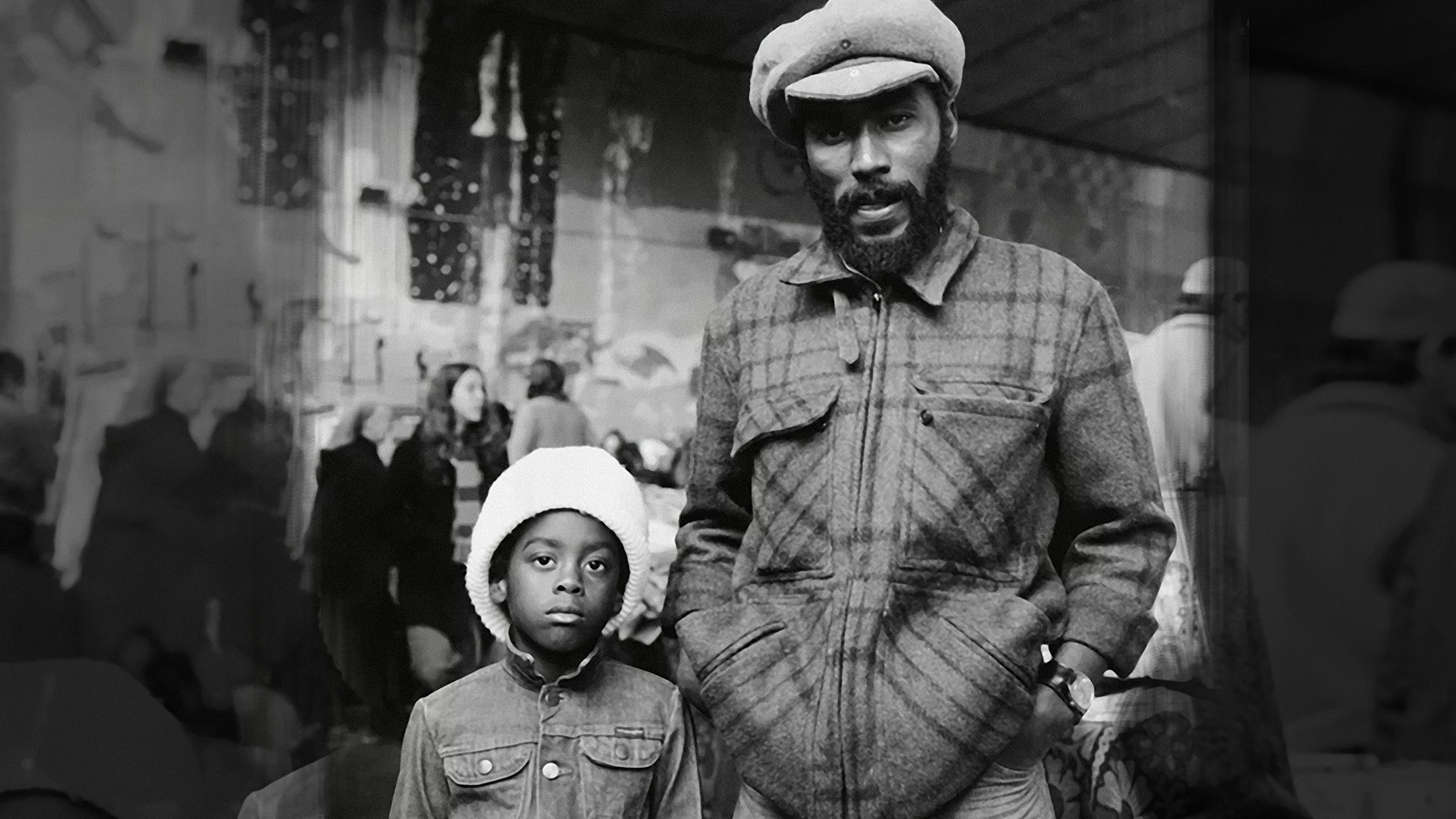
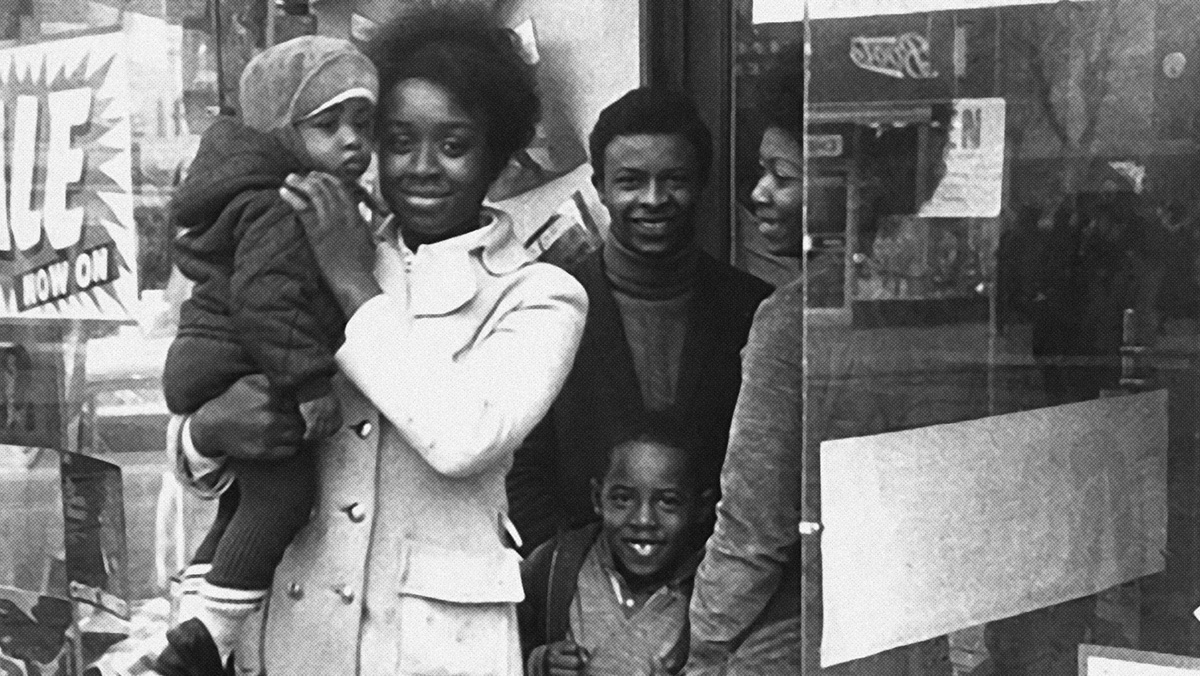
Photograph by Charlie Phillips
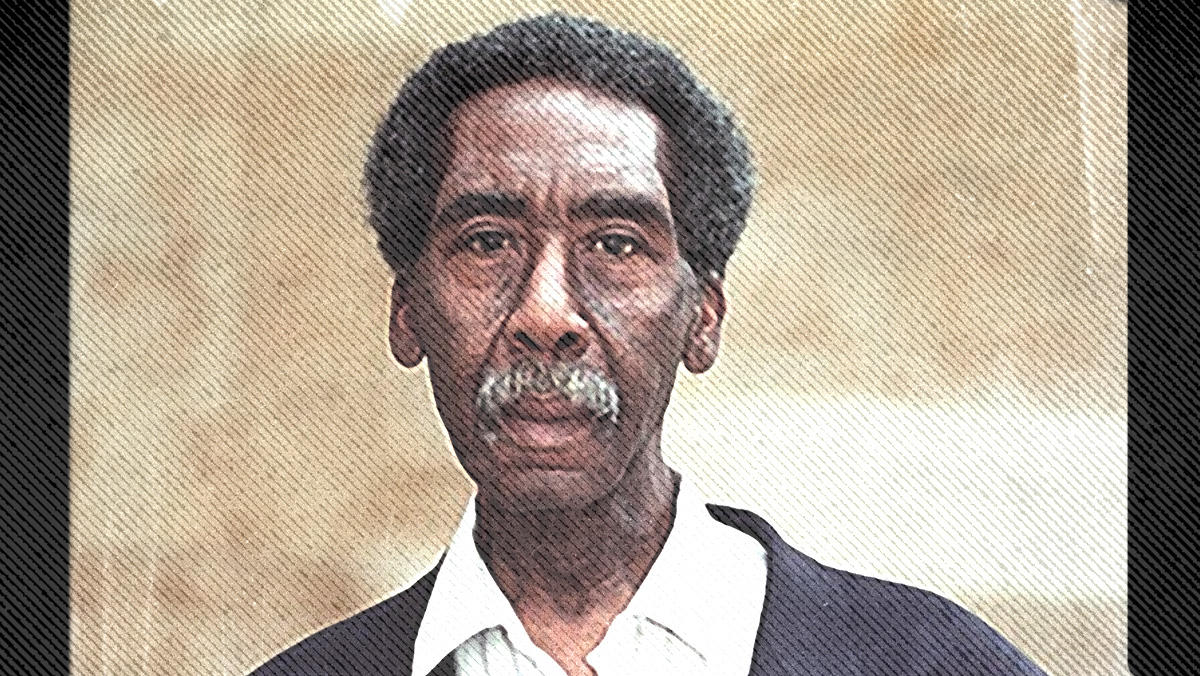
Mr Vince Reid
Source 1: Mr Vince Reid
“My parents brought me on the Windrush - I had no choice in the matter. They didn't have to - it was obvious they came in search of a better life, better opportunities. It was quite a devastating experience. I was thirteen when I arrived so I wasn't a man, I was a boy. Most of the people on the Windrush were men. I had never been out of Kingston same as for anybody, to go on this big ship, for all those days it was quite an experience. I went to school in Kings Cross. I never associated with white people in any significant degree, and then school I came across real hostility. I mean to say I had no friends for several years that wouldn't be far from the truth.”
“My parents brought me on the Windrush - I had no choice in the matter. They didn't have to - it was obvious they came in search of a better life, better opportunities. It was quite a devastating experience. I was thirteen when I arrived so I wasn't a man, I was a boy. Most of the people on the Windrush were men. I had never been out of Kingston same as for anybody, to go on this big ship, for all those days it was quite an experience. I went to school in Kings Cross. I never associated with white people in any significant degree, and then school I came across real hostility. I mean to say I had no friends for several years that wouldn't be far from the truth.”
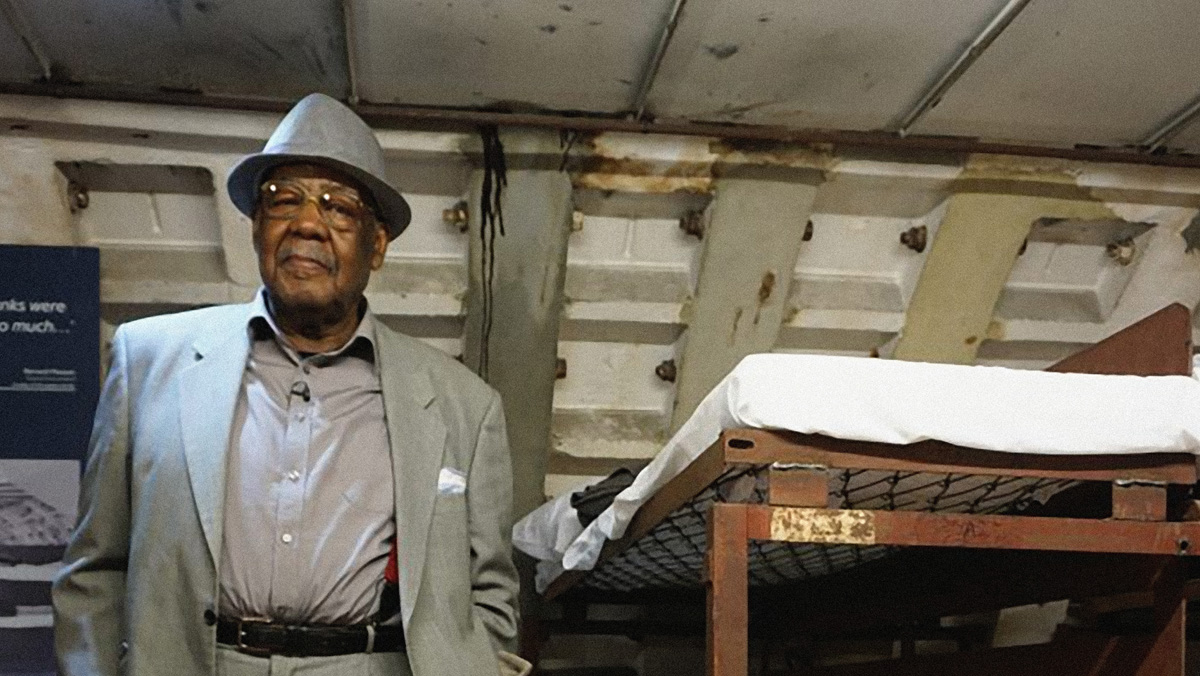
Mr John Richards
Source 2: Mr John Richards
“I know a lot about Britain from school days but it was a different picture from that one, when you came face to face with the facts. It was two different things. They tell you it is the 'mother country', you're all welcome, you all British. When you come here you realise you're a foreigner and that's all there is to it. The average person knows you as a colonial and that's all. You cut cane or carry bananas and that's it.”
“I know a lot about Britain from school days but it was a different picture from that one, when you came face to face with the facts. It was two different things. They tell you it is the 'mother country', you're all welcome, you all British. When you come here you realise you're a foreigner and that's all there is to it. The average person knows you as a colonial and that's all. You cut cane or carry bananas and that's it.”

Mr Arthur Curling
Source 3: Mr Arthur Curling
“I wouldn't say England has been good to me, but I say it made a change in my life at the time. England was the easiest country to get into and the hardest country to get out of, for the mere fact is if you working, you never earn enough money for your fare, but at the same time you always say you always have another 10 year, 15-20 years.”
“I wouldn't say England has been good to me, but I say it made a change in my life at the time. England was the easiest country to get into and the hardest country to get out of, for the mere fact is if you working, you never earn enough money for your fare, but at the same time you always say you always have another 10 year, 15-20 years.”
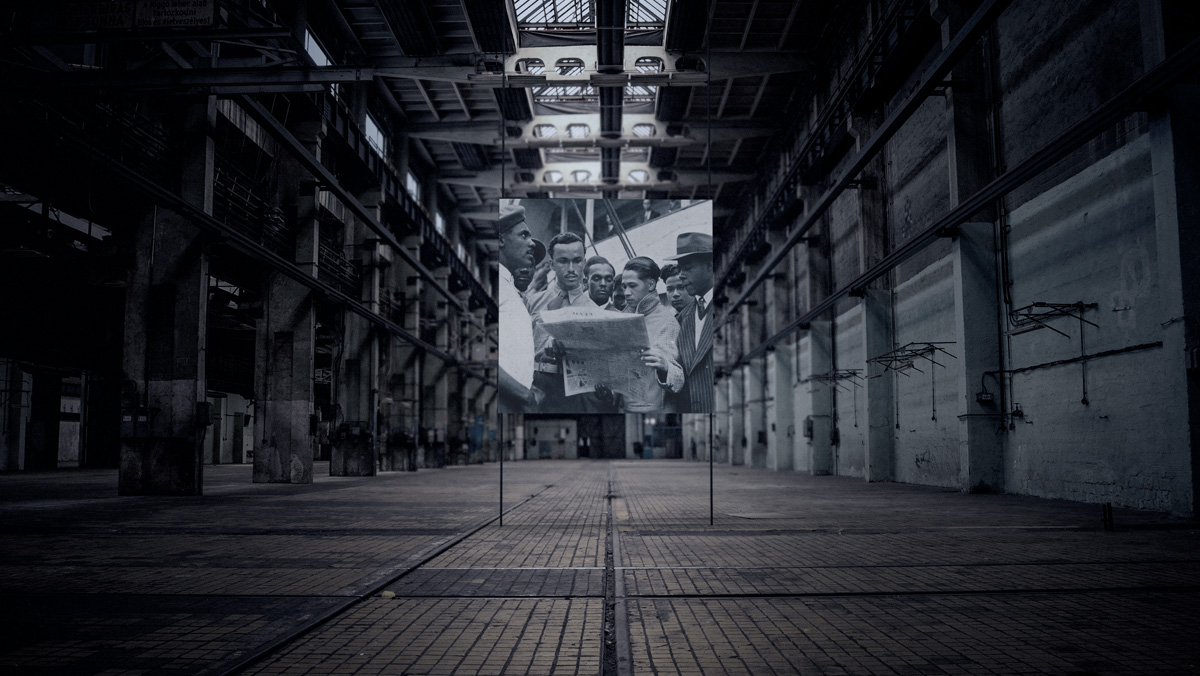
Ships Over Troubled Waters
Listen to the following poem: Ships Over Troubled Waters
Written by Lawrence Hoo, performed by Muneera Pilgrim
PLAY
Listen to the following poem: Ships Over Troubled Waters
Written by Lawrence Hoo, performed by Muneera Pilgrim
PLAY
Laws
1948 British Nationality Act – granted citizenship and right of abode (right to reside) in the UK to all members of the British Empire. Jamaica was a British Colony until its independence in 1962.
Before the Race Relations Act was passed in 1965, there was no legal protection for people of African or African Diaspora descent. Before the Act it was not illegal to refuse someone a place to live, a job or a bank account because of the prejudice which was embedded in British culture.
The Windrush generation were often denied access to housing, healthcare, bank accounts and driving licences. Many were not allowed to vote. All of these things should have been allowed, since they had been promised that they were British citizens.
1948 British Nationality Act – granted citizenship and right of abode (right to reside) in the UK to all members of the British Empire. Jamaica was a British Colony until its independence in 1962.
Before the Race Relations Act was passed in 1965, there was no legal protection for people of African or African Diaspora descent. Before the Act it was not illegal to refuse someone a place to live, a job or a bank account because of the prejudice which was embedded in British culture.
The Windrush generation were often denied access to housing, healthcare, bank accounts and driving licences. Many were not allowed to vote. All of these things should have been allowed, since they had been promised that they were British citizens.
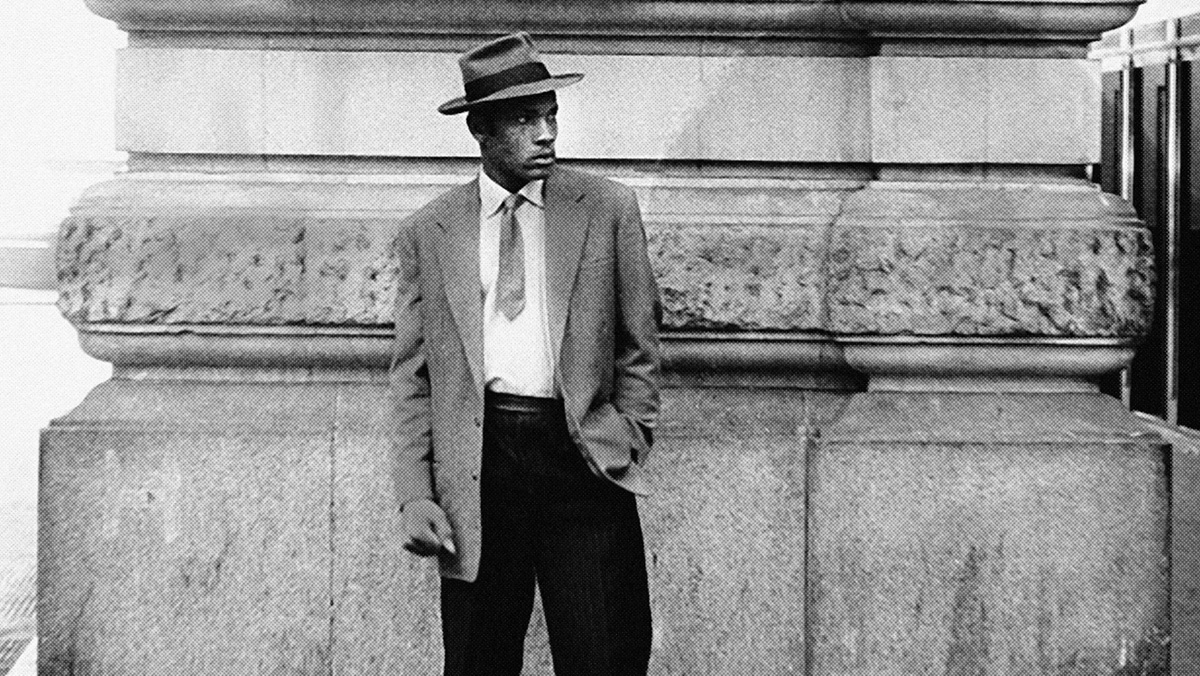
Photograph by Howard Grey
The Windrush Scandal of 2018
70 years after being invited to come to the UK to help rebuild the economy after the war, the windrush generation have been threatened with deportation*.
In what became known as The Windrush Scandal, during the term of Prime Minister Theresa May, the UK Government began to deport members of the Windrush generation and their children.
Following an outcry from the public, some of these deportations were reversed but many still feel that the Government has not done enough to compensate those who were targeted.
*Deport - force someone to leave a country, typically on the grounds of illegal status or for having committed a crime.
70 years after being invited to come to the UK to help rebuild the economy after the war, the windrush generation have been threatened with deportation*.
In what became known as The Windrush Scandal, during the term of Prime Minister Theresa May, the UK Government began to deport members of the Windrush generation and their children.
Following an outcry from the public, some of these deportations were reversed but many still feel that the Government has not done enough to compensate those who were targeted.
*Deport - force someone to leave a country, typically on the grounds of illegal status or for having committed a crime.
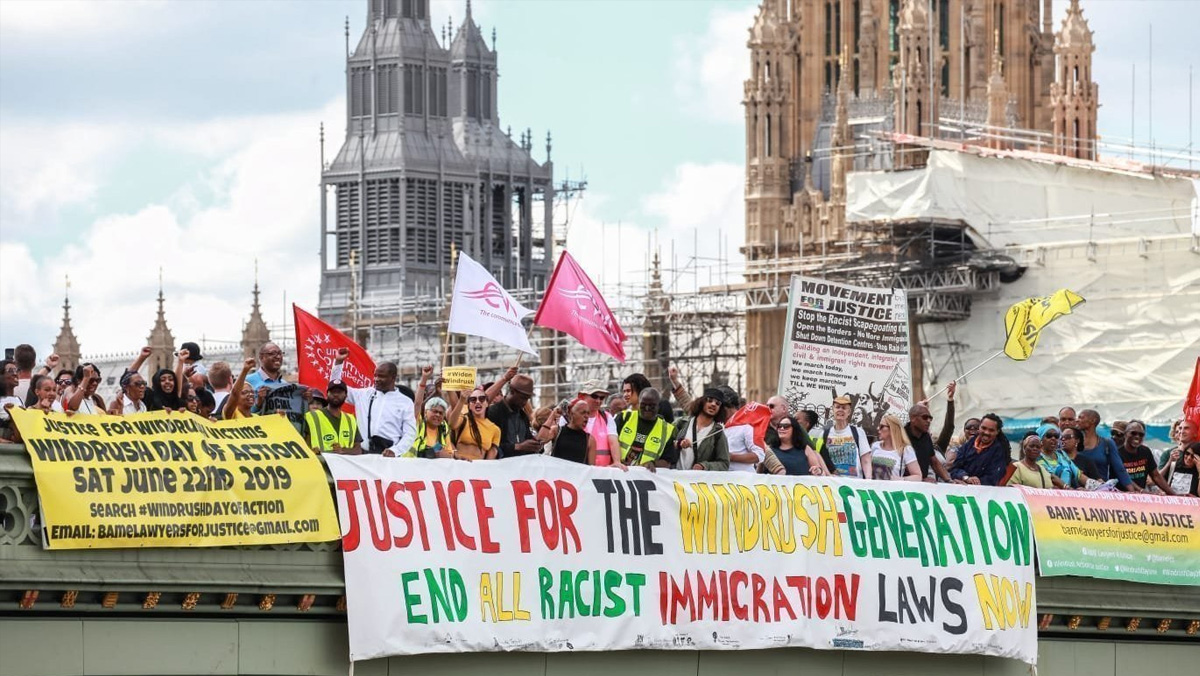
Justice for Windrush

Justice for Windrush

Justice for Windrush
Legacy and Contributions
The people of the Windrush generation are now celebrated.
Britain has now adopted the narrative of how much this community contributed, both to post-war Britain and to British culture ever since.
The Windrush generation were very much pioneers who came to a hostile place, and contributed a lot in spite of this.
The Windrush generation considered themselves British, so tried to integrate themselves more in society, compared to other communities who remained more isolated.
The people of the Windrush generation are now celebrated.
Britain has now adopted the narrative of how much this community contributed, both to post-war Britain and to British culture ever since.
The Windrush generation were very much pioneers who came to a hostile place, and contributed a lot in spite of this.
The Windrush generation considered themselves British, so tried to integrate themselves more in society, compared to other communities who remained more isolated.
Never such innocence
One of the most notable elements of the Caribbean’s large and multifaceted contribution was personnel for the Royal Air Force (RAF). More individuals from the British West Indies enlisted in the RAF than from any other British colony. Caribbeans also served in the Royal Navy, the Merchant Navy and the Army during the war. As importantly, Caribbeans worked in industry to help supply the Allied war effort. Additionally, the region made important economic contributions felt throughout the British Empire.
One of the most notable elements of the Caribbean’s large and multifaceted contribution was personnel for the Royal Air Force (RAF). More individuals from the British West Indies enlisted in the RAF than from any other British colony. Caribbeans also served in the Royal Navy, the Merchant Navy and the Army during the war. As importantly, Caribbeans worked in industry to help supply the Allied war effort. Additionally, the region made important economic contributions felt throughout the British Empire.
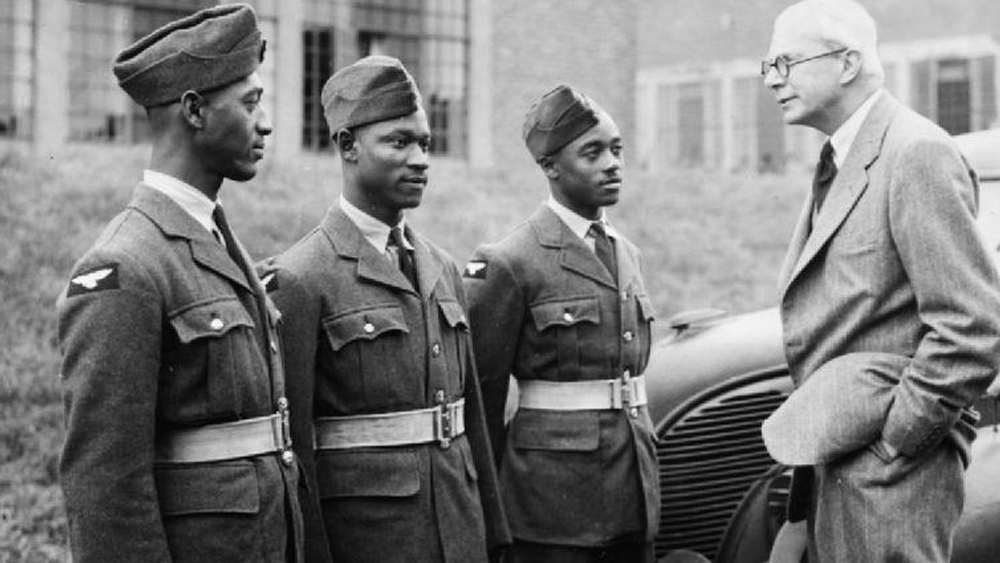
WEST INDIANS IN THE ROYAL AIR FORCE
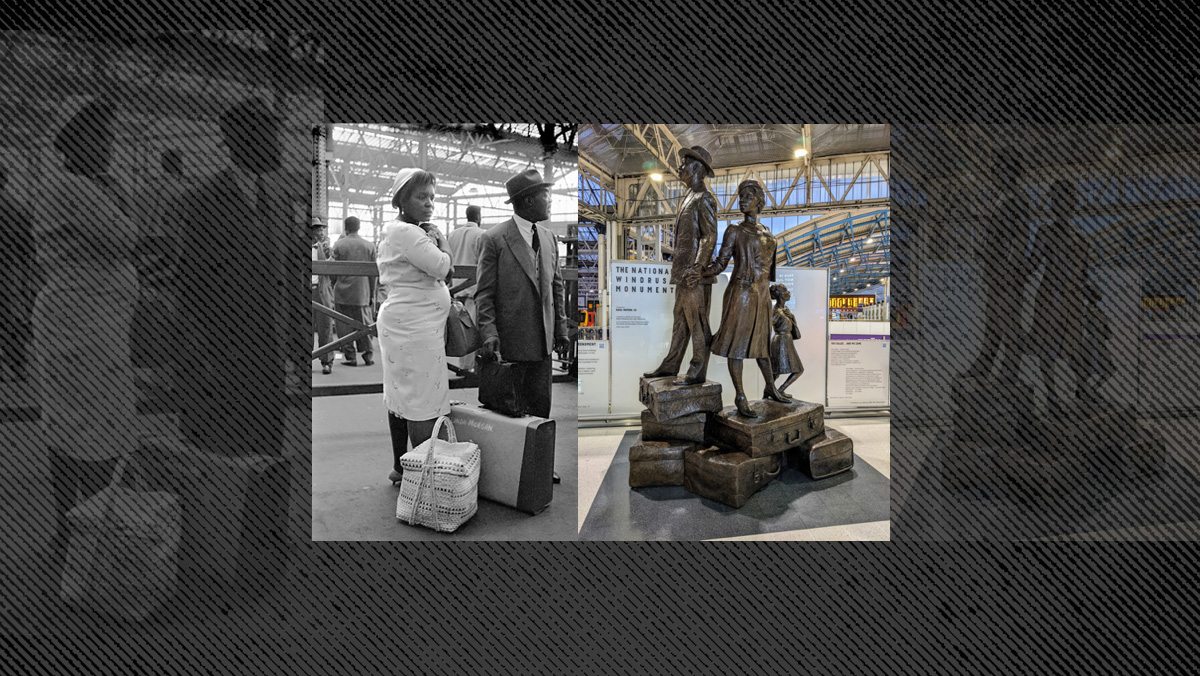
Couple arriving in Waterloo station, London, 1962, by Howard Grey
Bronze sculpture in Waterloo Station, 2022, Basil Watson
Bronze sculpture in Waterloo Station, 2022, Basil Watson

Windrush day
Windrush Day
In 2017 the first Windrush Day was celebrated, it marks the anniversary of the arrival of HMT Empire Windrush on 22nd June 1948.

In 2017 the first Windrush Day was celebrated, it marks the anniversary of the arrival of HMT Empire Windrush on 22nd June 1948.
Add a comment.
Please let us know your thoughts.
Choose your Avatar
I AM NOT A ROBOT
SUBMIT

"I would have loved to have seen things differently when I was younger."
Tom Simplson

"We’re slowly trying to find it ourselves, Because it was lacked in the curriculum"
A Student

"It's incredible that his history still hasn't been given a fair representation,"
Lawrence Hoo
"It has become a tsunami of enlightenment and information"
A Student
Please let us know your thoughts.
Choose your Avatar
I AM NOT A ROBOT
SUBMIT
"I would have loved to have seen things differently when I was younger."
Tom Simplson
"We’re slowly trying to find it ourselves, Because it was lacked in the curriculum"
A Student
"It's incredible that his history still hasn't been given a fair representation,"
Lawrence Hoo
"It has become a tsunami of enlightenment and information"
A Student