

Loading Lesson
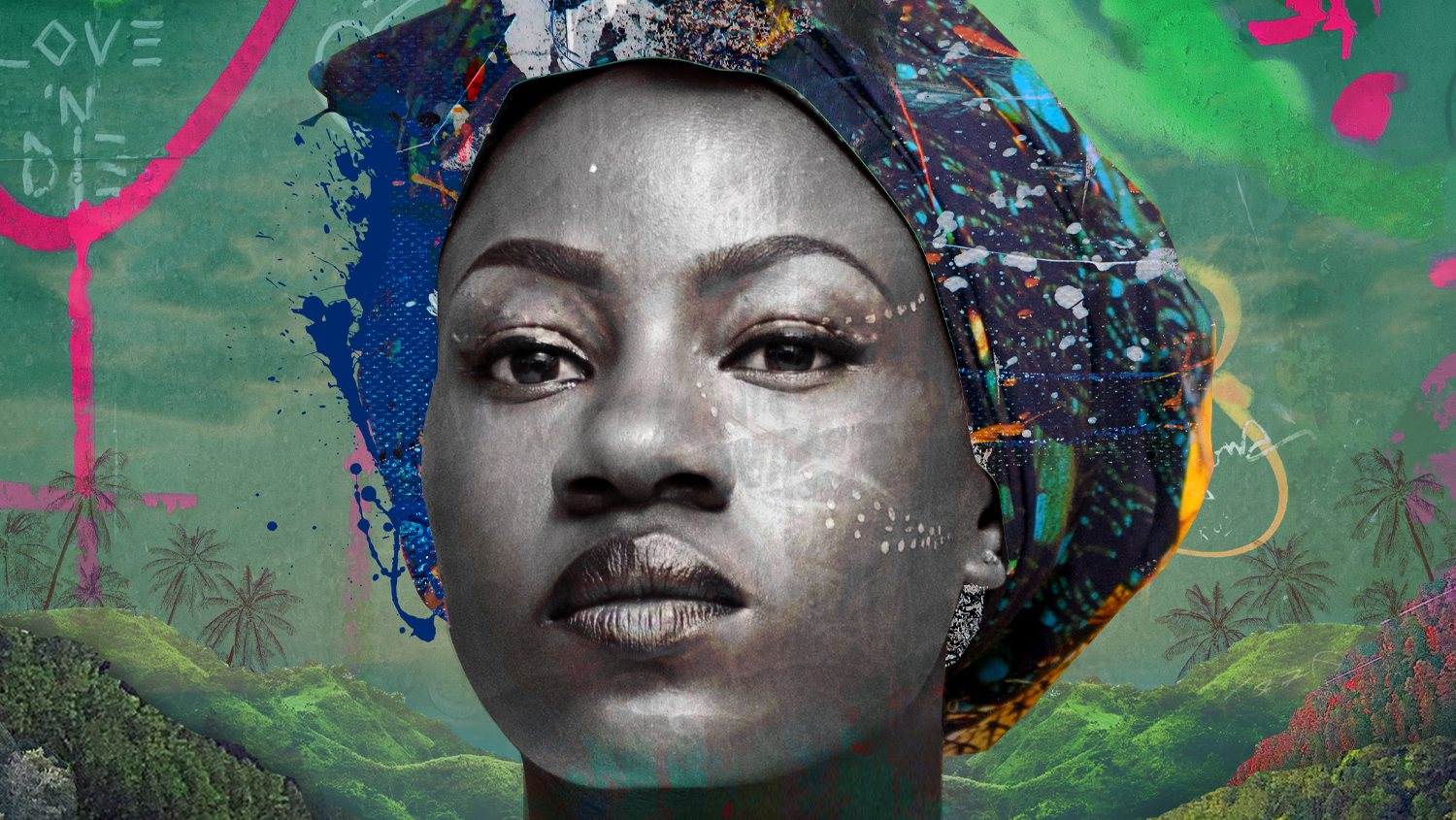

Jamaica: A Brief Introduction
The Caribbean island of Jamaica was originally inhabited by the Redware people, the Caribs, and the Arawak group of indigenous peoples including the Taíno people. The island was named “Xaynaca” by its early inhabitants, which meant “land of wood and water”. Christopher Columbus is believed to have been the first European to reach Xaynaca in 1494, after which it was colonised* by the Spanish. The Spanish changed the name of the island to “Jamaica”.
The Spanish enslaved Arawak people and some historians believe that by 1602 the Arawak people were extinct. However, some had escaped the Spanish and settled in the mountainous regions of Jamaica. The Spanish also enslaved people from West Africa and transported them to the island.
*Colonised: To settle among and take control over a land and its indigenous people, often through forceful means.
*Enslave: To cause someone to lose their freedom of choice and action; slave.

The Caribbean island of Jamaica was originally inhabited by the Redware people, the Caribs, and the Arawak group of indigenous peoples including the Taíno people. The island was named “Xaynaca” by its early inhabitants, which meant “land of wood and water”. Christopher Columbus is believed to have been the first European to reach Xaynaca in 1494, after which it was colonised* by the Spanish. The Spanish changed the name of the island to “Jamaica”.
The Spanish enslaved Arawak people and some historians believe that by 1602 the Arawak people were extinct. However, some had escaped the Spanish and settled in the mountainous regions of Jamaica. The Spanish also enslaved people from West Africa and transported them to the island.
*Colonised: To settle among and take control over a land and its indigenous people, often through forceful means.
*Enslave: To cause someone to lose their freedom of choice and action; slave.
Jamaica: A Brief Introduction
In 1655 the English invaded Jamaica and defeated the Spanish to claim Jamaica as their colony*. The sugar cane industry replaced piracy as British Jamaica’s main source of income. Enslaved people were forced to work without rest or pay, and regularly abused.
Mary Seacole’s mother, Mrs Grant, had been born into slavery, but despite this became a nurse and an entrepreneur. Mary Seacole was born in Jamaica in 1805, when slavery was still very much a reality for many.
*Colony: A country or area controlled politically by another.
In 1655 the English invaded Jamaica and defeated the Spanish to claim Jamaica as their colony*. The sugar cane industry replaced piracy as British Jamaica’s main source of income. Enslaved people were forced to work without rest or pay, and regularly abused.
Mary Seacole’s mother, Mrs Grant, had been born into slavery, but despite this became a nurse and an entrepreneur. Mary Seacole was born in Jamaica in 1805, when slavery was still very much a reality for many.
*Colony: A country or area controlled politically by another.
Enquiry question
What made Nanny of the Maroons such a significant leader for the Jamaican people?
What made Nanny of the Maroons such a significant leader for the Jamaican people?
What can you learn about Nanny’s importance in Jamaica today?
Jamaica has seven national heroes, only one is a woman and she appears on the $500 bill.
“When I look at every Jamaican woman I see Nanny in that woman because… she represents strength… unifying force… fierceness… passion. This spirit of Nanny is with us.”
Jamaican MP Olivia Grange
“For me it is very significant and important to have one woman that could have mobilised several men, waged a war and freed her people, and I am proud that we have a national heroine… Her work gave to me the strength and determination that is needed to lead a nation.”
Former Jamaica Prime Minister, Portia Simpson Miller
Jamaica has seven national heroes, only one is a woman and she appears on the $500 bill.
“When I look at every Jamaican woman I see Nanny in that woman because… she represents strength… unifying force… fierceness… passion. This spirit of Nanny is with us.”
Jamaican MP Olivia Grange
“For me it is very significant and important to have one woman that could have mobilised several men, waged a war and freed her people, and I am proud that we have a national heroine… Her work gave to me the strength and determination that is needed to lead a nation.”
Former Jamaica Prime Minister, Portia Simpson Miller
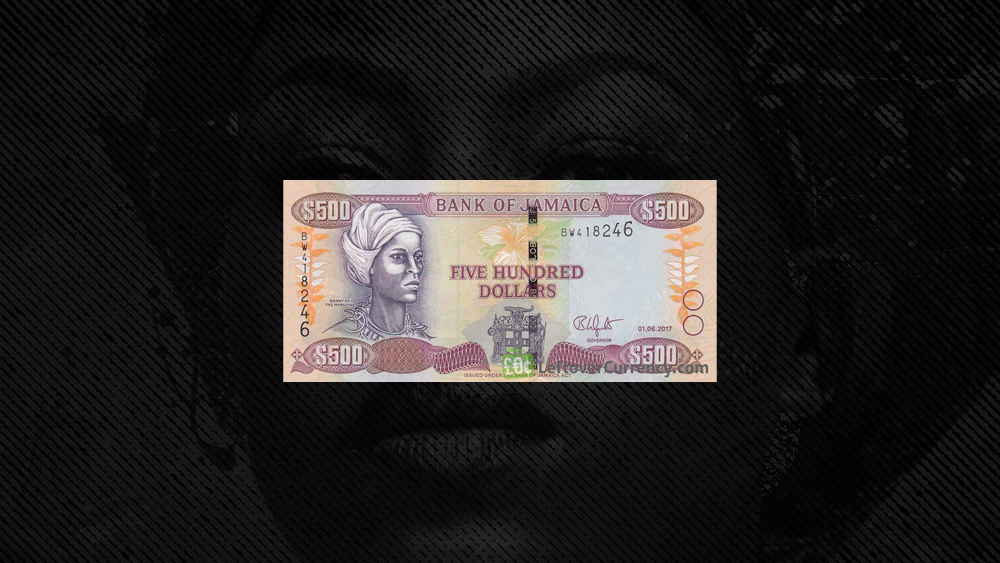
What do you think Nanny might of been famous for?
Warrior Queen, written by Lawrence Hoo, performed by Vanessa Melody
Listen to the following poem.
PLAY
Listen to the following poem.
PLAY
Key Word: Guerrilla
A member of a band of soldiers that use guerilla warfare, combating the enemy by surprise raids, sabotaging communication and supply lines.
A member of a band of soldiers that use guerilla warfare, combating the enemy by surprise raids, sabotaging communication and supply lines.
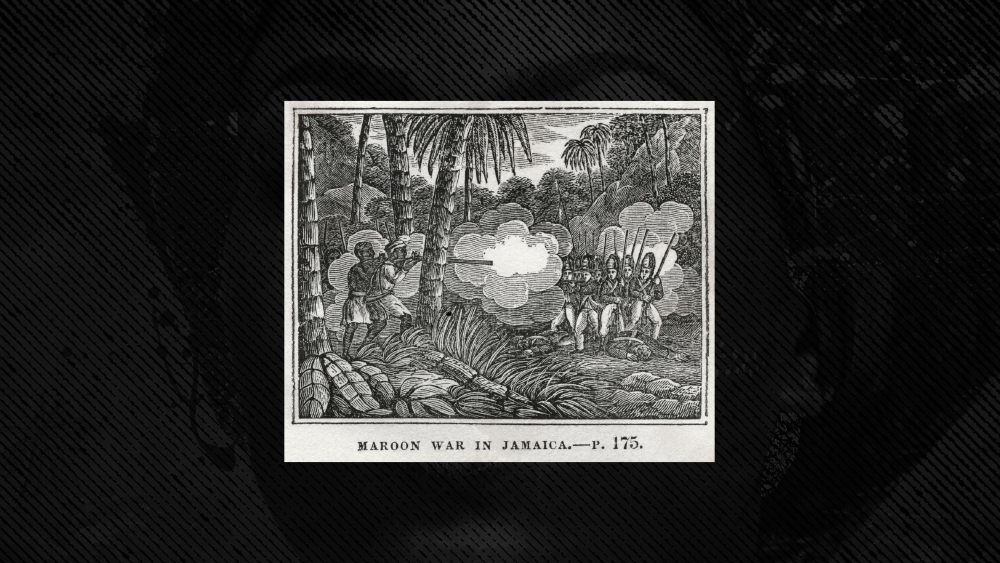
Illustration from the book
”Maroon War in Jamaica”
Published 1834
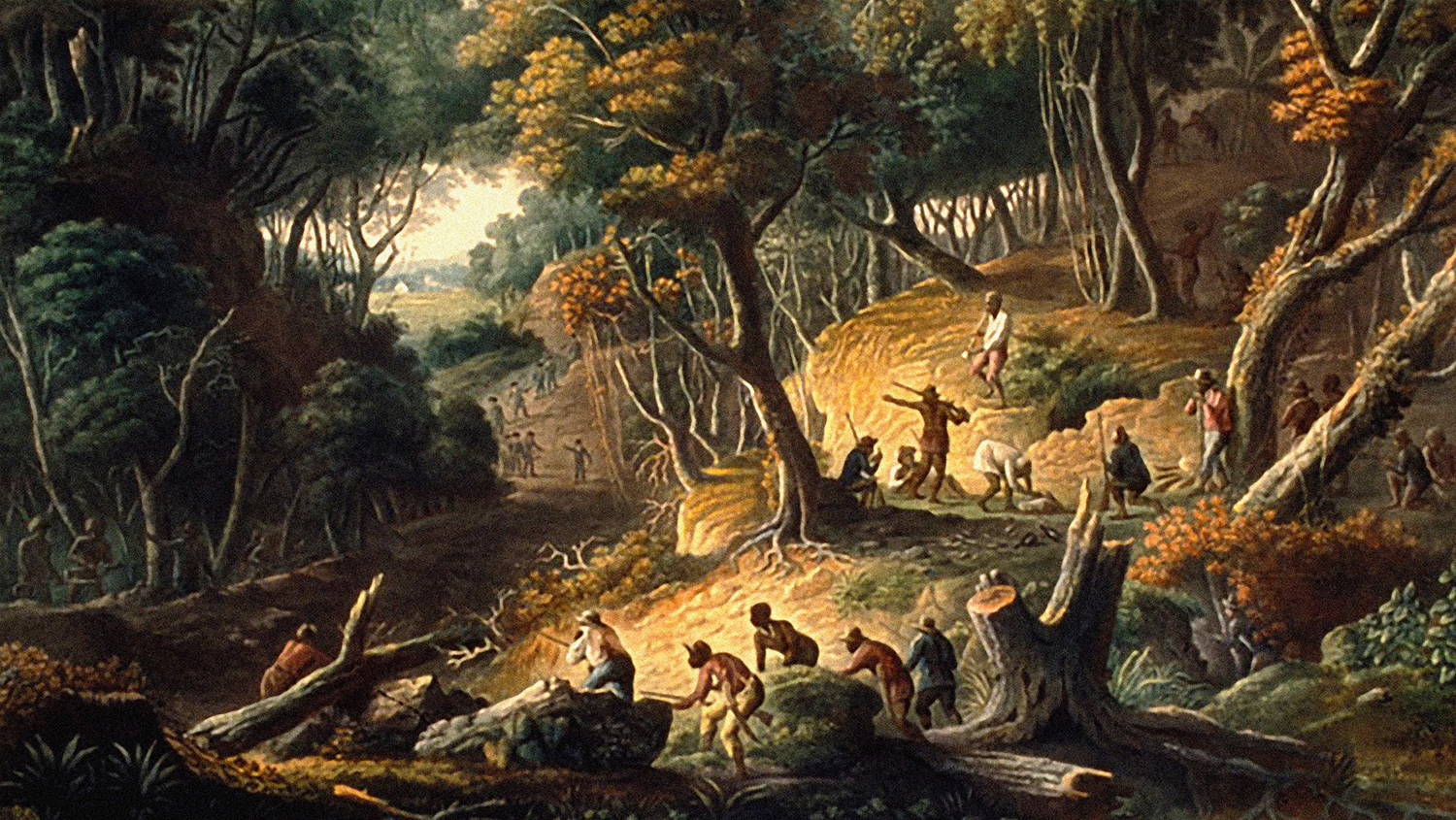
The Maroons Painting by François Jules
Bourgoin
Who were the Maroons?
Maroon communities developed when enslaved Africans escaped their enslavers and created their own settlements. They joined communities of indigenous people who had also escaped slavery.
This happened in the 1650s, even before the British took over from the Spanish. The Maroons used Jamaica’s mountainous terrain to evade the British. High in the mountains, these communities were organised around African culture. From their Akan roots, in modern day Ghana, they also inherited military skills which had been learned fighting the British.
Maroon communities developed when enslaved Africans escaped their enslavers and created their own settlements. They joined communities of indigenous people who had also escaped slavery.
This happened in the 1650s, even before the British took over from the Spanish. The Maroons used Jamaica’s mountainous terrain to evade the British. High in the mountains, these communities were organised around African culture. From their Akan roots, in modern day Ghana, they also inherited military skills which had been learned fighting the British.
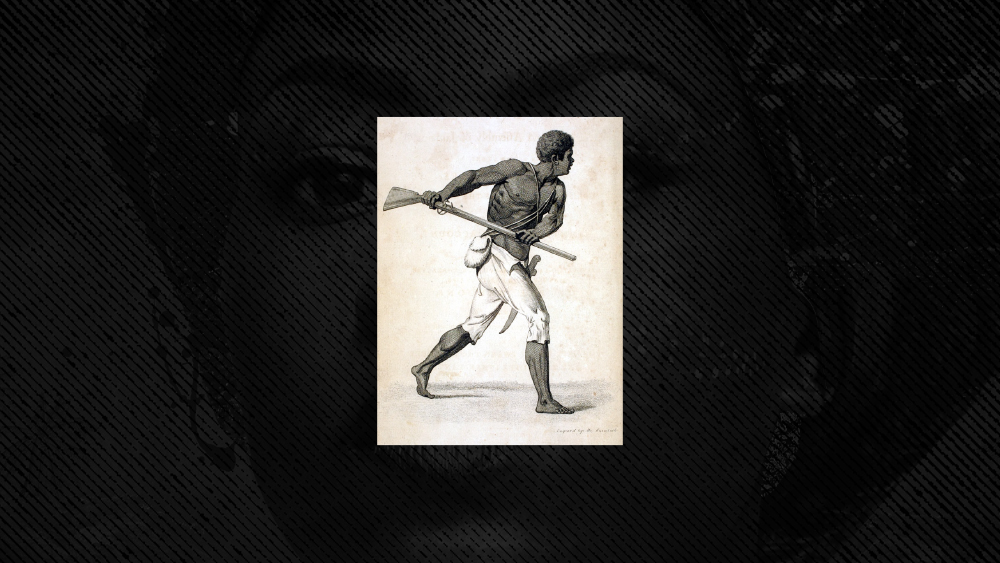
The Maroons Engraving of Leonard Parkinson, a Maroon leader. By Abraham Raimbach for the book ‘Proceedings of the governor and Assembly of Jamaica’ published 1796.
Nanny’s Story
Researching the history of Nanny has been a challenge for historians because there are only four written references to her in documents from the time. Much of what we know about Nanny comes from stories that have been passed from generation to generation by the Maroons. Some of the stories of Nanny also come from European soldiers who were eager to portray her in a sexist and racist way.
Nanny was a leader of the Maroons during the early 1700s. No one knows exactly how Nanny arrived in Jamaica although it seems that she was born in Ghana and was from the Akan people. Some historians believe that she was a Queen in Africa and came to Jamaica to free her people. Others believe that she was enslaved and then escaped to join the Maroons. Africans who joined the Maroons brought with them guerilla tactics for fighting the British that they had learnt in Africa. The Maroon communities, isolated in the mountains, were organised around African culture.
Researching the history of Nanny has been a challenge for historians because there are only four written references to her in documents from the time. Much of what we know about Nanny comes from stories that have been passed from generation to generation by the Maroons. Some of the stories of Nanny also come from European soldiers who were eager to portray her in a sexist and racist way.
Nanny was a leader of the Maroons during the early 1700s. No one knows exactly how Nanny arrived in Jamaica although it seems that she was born in Ghana and was from the Akan people. Some historians believe that she was a Queen in Africa and came to Jamaica to free her people. Others believe that she was enslaved and then escaped to join the Maroons. Africans who joined the Maroons brought with them guerilla tactics for fighting the British that they had learnt in Africa. The Maroon communities, isolated in the mountains, were organised around African culture.
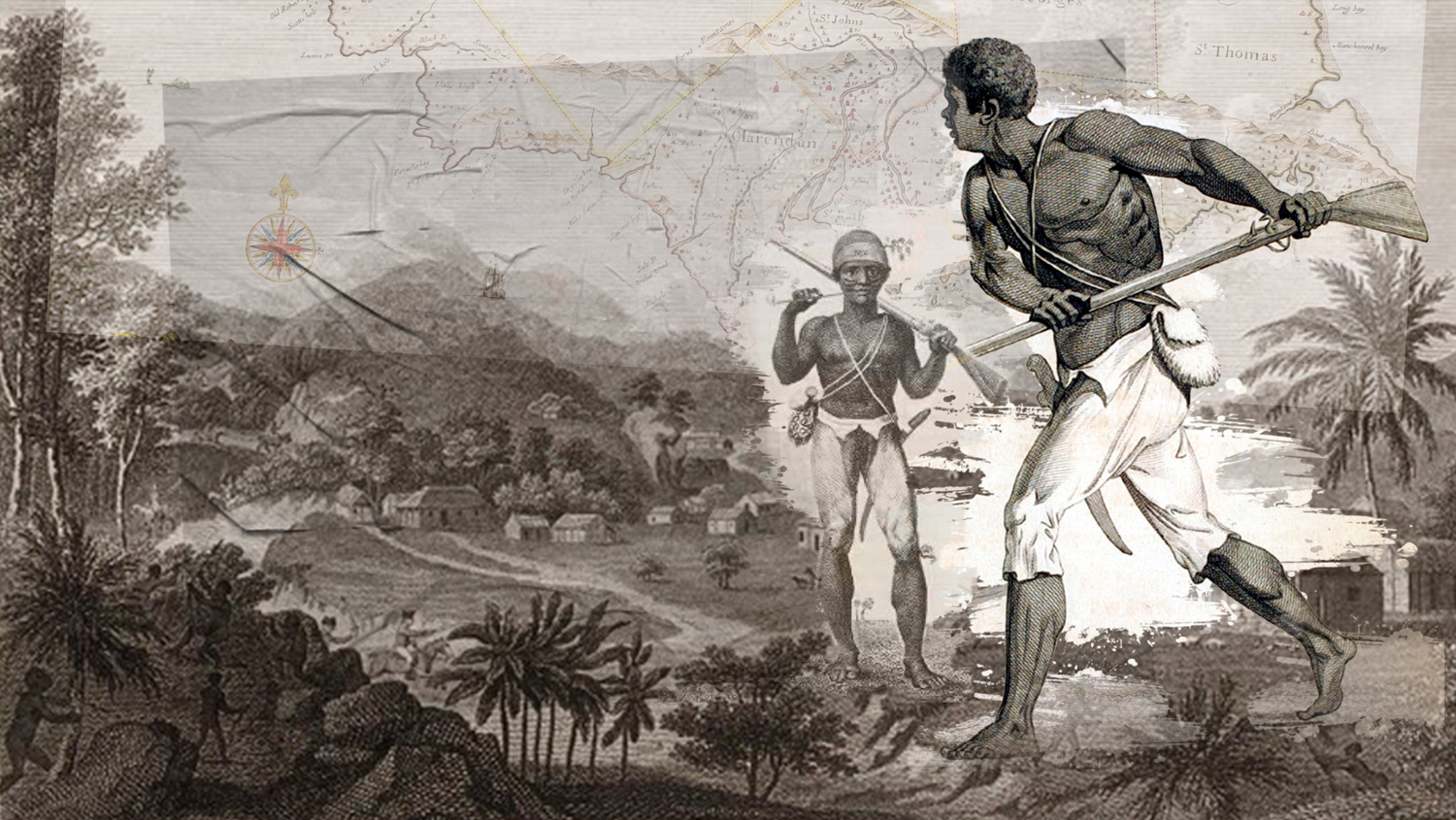
Joining The Maroons
Nanny’s Journey
Akan society did not have the same attitudes to women as Western societies at the time. African attitudes to women were inherited by the Maroons and women were able to be community and spiritual leaders. Women were largely responsible for the farming success of the Maroons. The British could not believe that they were fighting a woman and made up fantastical stories about Nanny.
Akan society did not have the same attitudes to women as Western societies at the time. African attitudes to women were inherited by the Maroons and women were able to be community and spiritual leaders. Women were largely responsible for the farming success of the Maroons. The British could not believe that they were fighting a woman and made up fantastical stories about Nanny.
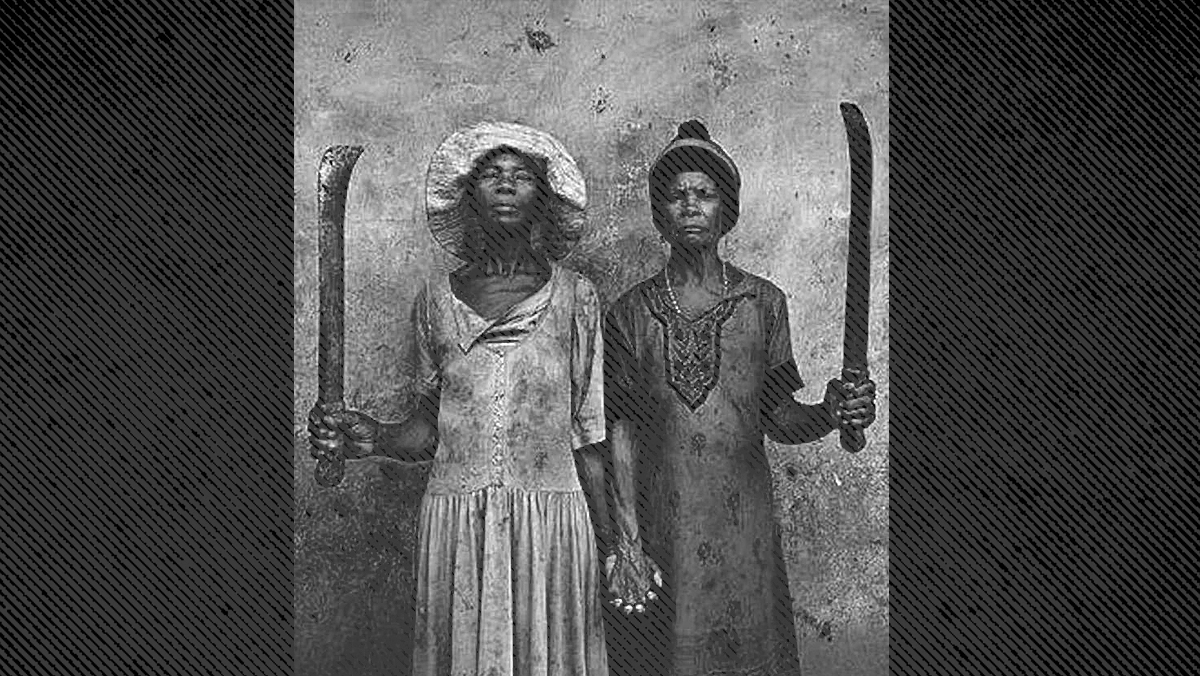
Maroon women in Jamaica
Nanny’s Journey
Nanny was a spiritual leader, this was an important part of her leadership. The Maroons practiced Obeah which was derived from African spirituality. Obeah is a religious practice based on a combination of multiple religions, obeah has been described as the "magical art of resistance" because it gave its practitioners and those that sought its aid a sense of empowerment in the face of oppression. Nanny was skilled in providing herbal remedies which helped her gain the trust of her people. One mythical story of Nanny is that she used her spiritual powers to lure British soldiers to their deaths in a pot of boiling water. Historians think that this story comes from the fact that the Maroons used their knowledge of the mountains and waterfalls to capture British soldiers.
Nanny was a spiritual leader, this was an important part of her leadership. The Maroons practiced Obeah which was derived from African spirituality. Obeah is a religious practice based on a combination of multiple religions, obeah has been described as the "magical art of resistance" because it gave its practitioners and those that sought its aid a sense of empowerment in the face of oppression. Nanny was skilled in providing herbal remedies which helped her gain the trust of her people. One mythical story of Nanny is that she used her spiritual powers to lure British soldiers to their deaths in a pot of boiling water. Historians think that this story comes from the fact that the Maroons used their knowledge of the mountains and waterfalls to capture British soldiers.
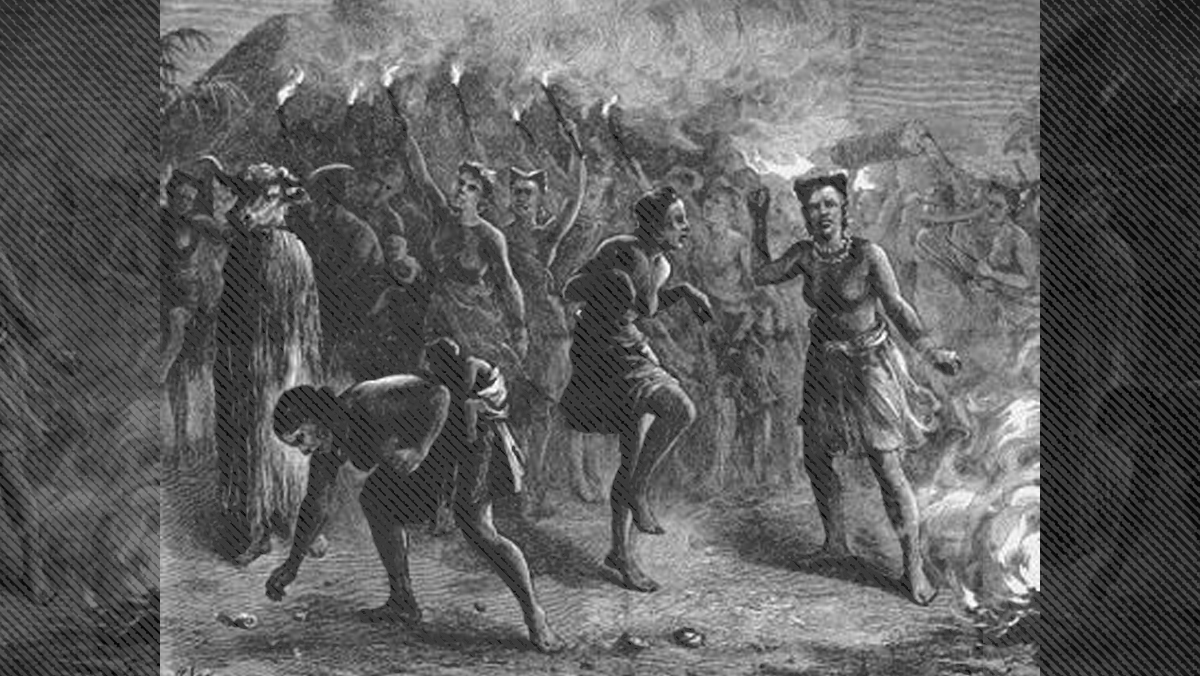
Obeah
From Early Caribbean Digital archive
From Early Caribbean Digital archive
Nanny’s Journey
Another story that is told about Nanny is that when her people were starving, she heard the voice of her ancestors telling her to be patient for one more day. The next day she found three pumpkin seeds in her pocket and planted them. In a very short time the plants had grown and she could feed her people. Pumpkin Hill is located today in Portland, Jamaica, near the Blue Mountains.
Another story that is told about Nanny is that when her people were starving, she heard the voice of her ancestors telling her to be patient for one more day. The next day she found three pumpkin seeds in her pocket and planted them. In a very short time the plants had grown and she could feed her people. Pumpkin Hill is located today in Portland, Jamaica, near the Blue Mountains.
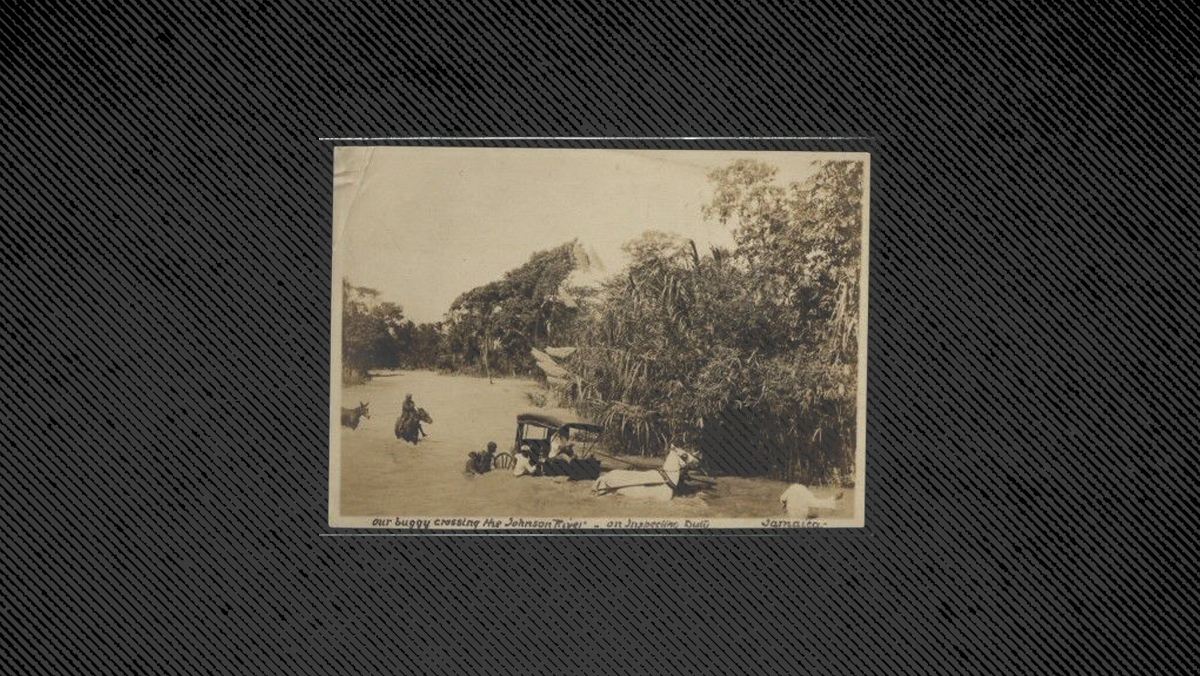
Pumpkin Hill, Portland, Jamaica
Nanny’s Journey
Nanny was an incredible military leader. During the 1730s Maroons led a guerrilla war against the plantation owners. This was known as the First Maroon Wars. They did not fight British soldiers face to face but ambushed them. It is believed that Nanny taught the Maroons guerrilla tactics such as camouflaging themselves as trees. She is also credited with teaching her soldiers how to use a cow horn for long distance communication by blowing into it. Maroons also developed a method of cooking by smoking meat underground so that there was no smoke visible to the enemy. This is called “ jerk” and is still used in cooking Jamaican food today. Maroon communities still exist today and in memorial ceremonies remember their ancestors by blowing the horn and dressing in camouflage.
Nanny was an incredible military leader. During the 1730s Maroons led a guerrilla war against the plantation owners. This was known as the First Maroon Wars. They did not fight British soldiers face to face but ambushed them. It is believed that Nanny taught the Maroons guerrilla tactics such as camouflaging themselves as trees. She is also credited with teaching her soldiers how to use a cow horn for long distance communication by blowing into it. Maroons also developed a method of cooking by smoking meat underground so that there was no smoke visible to the enemy. This is called “ jerk” and is still used in cooking Jamaican food today. Maroon communities still exist today and in memorial ceremonies remember their ancestors by blowing the horn and dressing in camouflage.
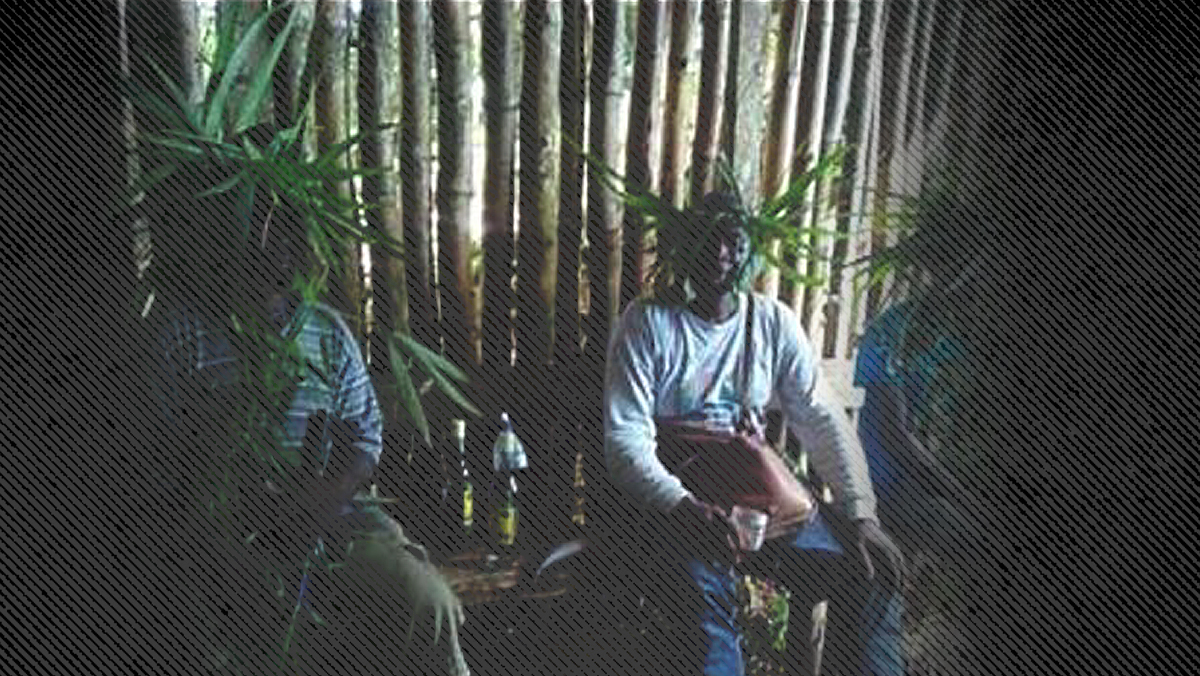
Maroon communities used local plants as camouflage
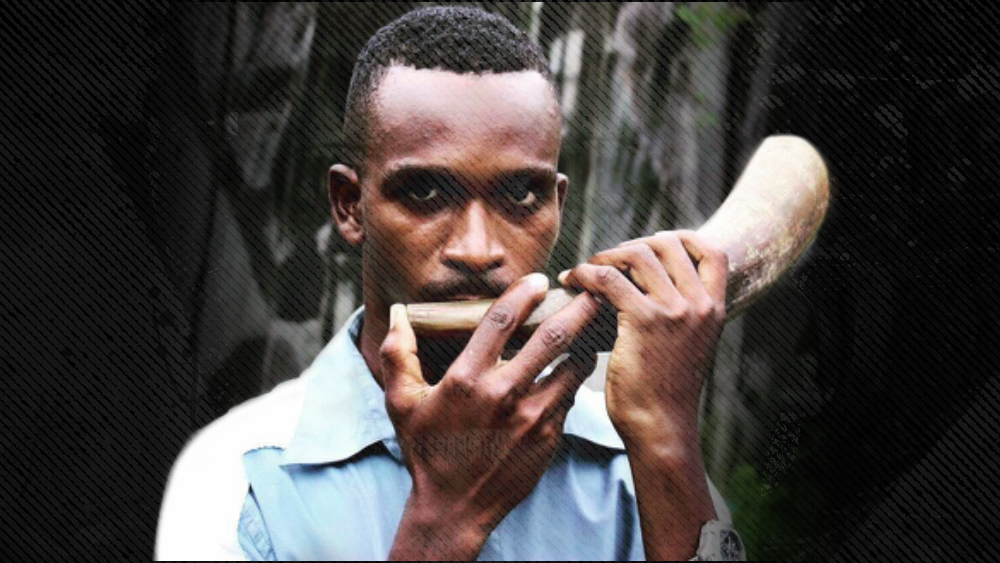
Maroon communities used horns made from bone to communicate
Nanny’s Journey
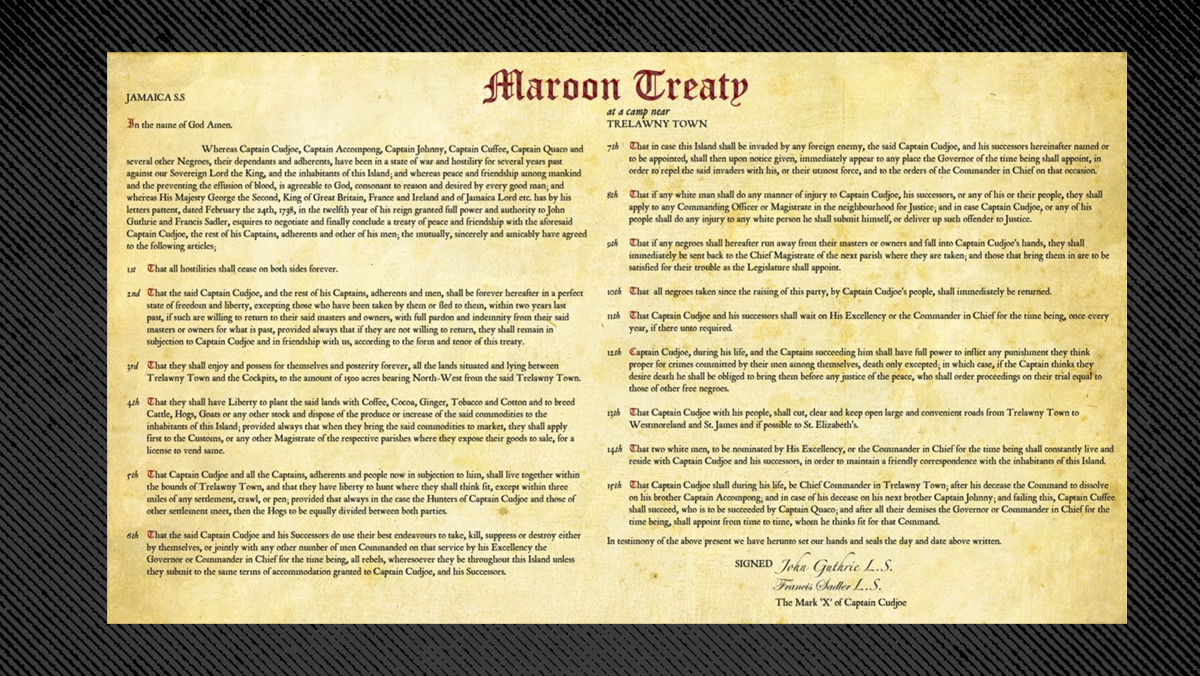
Eventually the British accepted that they could not defeat the Maroons and a peace treaty was signed. We know that Nanny did not sign the peace treaty with the British but historians can’t be sure whether this is because the British did not accept her as a leader or because she refused to sign the treaty.
Eventually the British accepted that they could not defeat the Maroons and a peace treaty was signed. We know that Nanny did not sign the peace treaty with the British but historians can’t be sure whether this is because the British did not accept her as a leader or because she refused to sign the treaty.
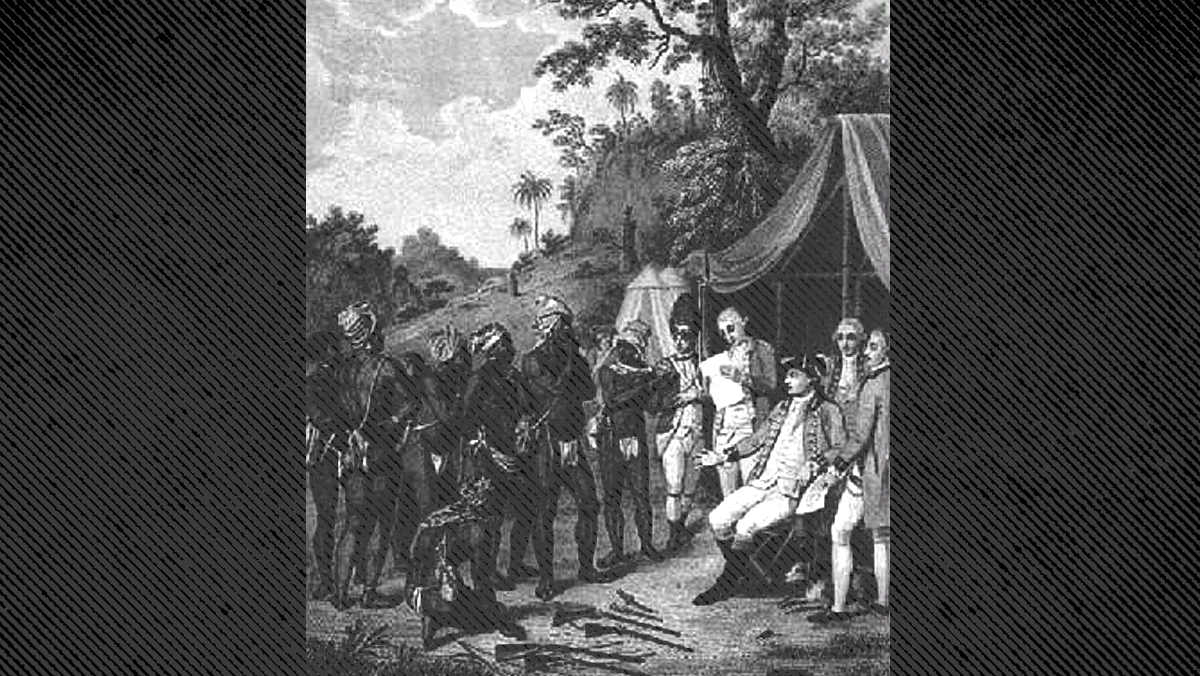
Following the first Maroon war 1730-1739, the British accepted the situation and made a treaty with the Maroon community, giving them land and recognising their freedom.
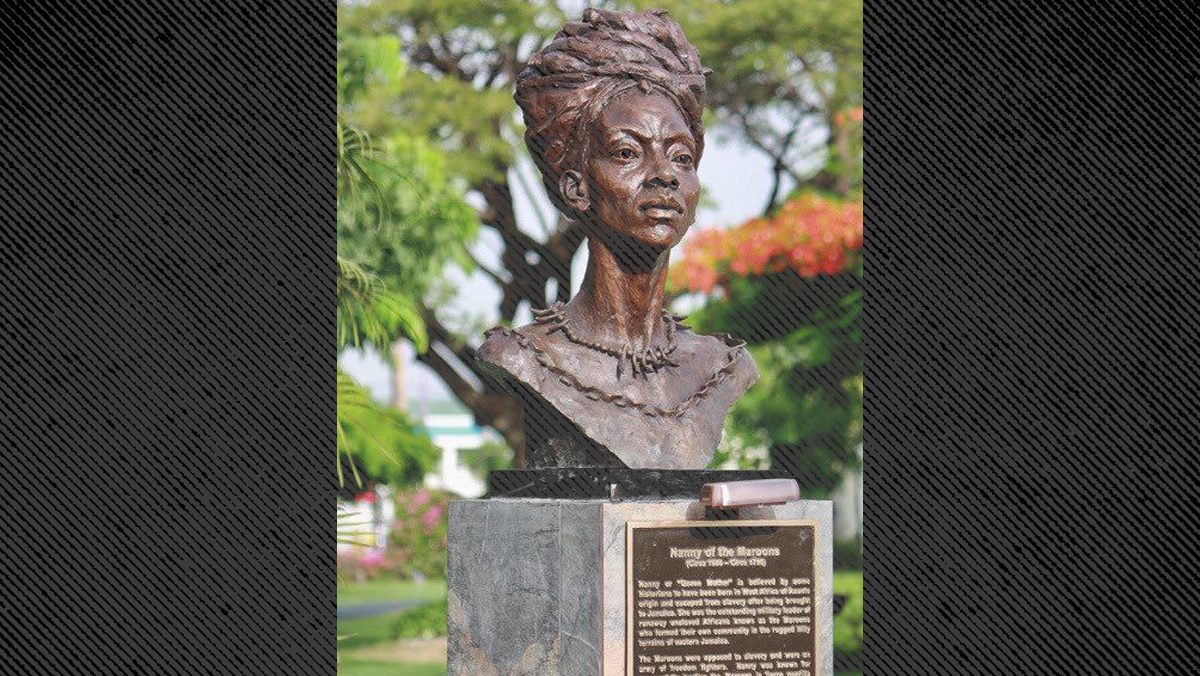
Nanny Town
Nanny Town was established as a settlement for Nanny and maroons, or Africans who escaped and fought against slavery. Dating from when the truce was signed with the British in 1739, Nanny Town has remained an independent community that retains the language and customs of their Ghanaian ancestors.
Nanny Town was established as a settlement for Nanny and maroons, or Africans who escaped and fought against slavery. Dating from when the truce was signed with the British in 1739, Nanny Town has remained an independent community that retains the language and customs of their Ghanaian ancestors.
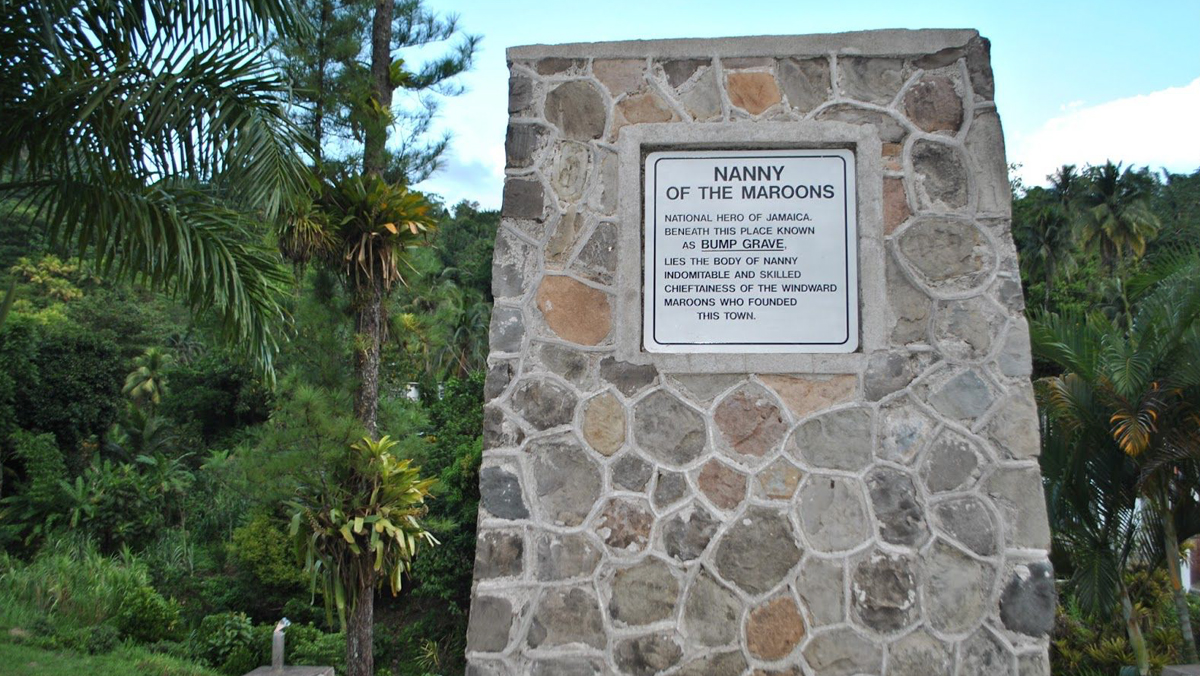
Bump Grave is the final resting place of Nanny, a Jamaican National Hero and Chieftainess of the Winward Maroons.
Add a comment.
Please let us know your thoughts.
Choose your Avatar
I AM NOT A ROBOT
SUBMIT

"I would have loved to have seen things differently when I was younger."
Tom Simplson

"We’re slowly trying to find it ourselves, Because it was lacked in the curriculum"
A Student

"It's incredible that his history still hasn't been given a fair representation,"
Lawrence Hoo
"It has become a tsunami of enlightenment and information"
A Student
Please let us know your thoughts.
Choose your Avatar
I AM NOT A ROBOT
SUBMIT
"I would have loved to have seen things differently when I was younger."
Tom Simplson
"We’re slowly trying to find it ourselves, Because it was lacked in the curriculum"
A Student
"It's incredible that his history still hasn't been given a fair representation,"
Lawrence Hoo
"It has become a tsunami of enlightenment and information"
A Student