

Loading Lesson
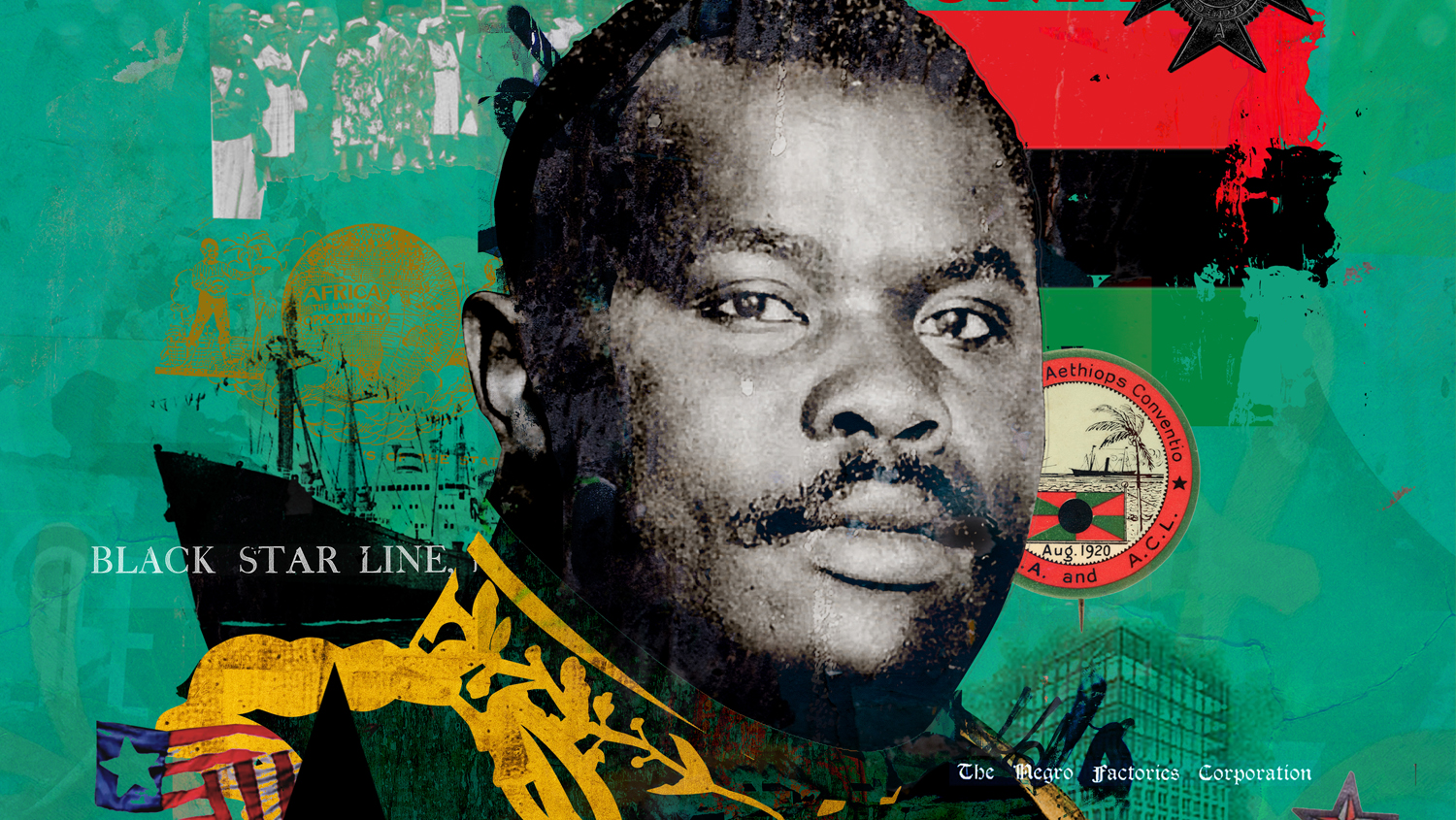

Jamaica: A Brief Introduction
The Caribbean island of Jamaica was originally inhabited by the Redware people, the Caribs, and the Arawak group of indigenous peoples including the Taíno people. The island was named “Xaynaca” by its early inhabitants, which meant “land of wood and water”. Christopher Columbus is believed to have been the first European to reach Xaynaca in 1494, after which it was colonised* by the Spanish. The Spanish changed the name of the island to “Jamaica”.
The Spanish **enslaved Arawak people and by 1602 some historians believed the Arawak people were extinct. However, some had escaped the Spanish and had settled in the mountainous regions of Jamaica. The Spanish also enslaved* people from West Africa and transported them to the island.
*Colonised: To settle among and take control over a land and its indigenous people, often through forceful means.
**Enslave: To cause someone to lose their freedom of choice and action; slave.

The Caribbean island of Jamaica was originally inhabited by the Redware people, the Caribs, and the Arawak group of indigenous peoples including the Taíno people. The island was named “Xaynaca” by its early inhabitants, which meant “land of wood and water”. Christopher Columbus is believed to have been the first European to reach Xaynaca in 1494, after which it was colonised* by the Spanish. The Spanish changed the name of the island to “Jamaica”.
The Spanish **enslaved Arawak people and by 1602 some historians believed the Arawak people were extinct. However, some had escaped the Spanish and had settled in the mountainous regions of Jamaica. The Spanish also enslaved* people from West Africa and transported them to the island.
*Colonised: To settle among and take control over a land and its indigenous people, often through forceful means.
**Enslave: To cause someone to lose their freedom of choice and action; slave.
Jamaica: A Brief Introduction
In 1655 the English invaded Jamaica and defeated the Spanish to claim Jamaica as their colony*. The sugar cane industry replaced piracy as British Jamaica’s main source of income. Enslaved people were forced to work without rest or pay, and regularly abused.
Following continuous rebellions and protests, the trade in enslaved people was declared illegal in 1833.
In 1866 Jamaica was labelled a ‘crown colony’ as part of the British Empire.
*Colony: A country or area controlled politically by another.
In 1655 the English invaded Jamaica and defeated the Spanish to claim Jamaica as their colony*. The sugar cane industry replaced piracy as British Jamaica’s main source of income. Enslaved people were forced to work without rest or pay, and regularly abused.
Following continuous rebellions and protests, the trade in enslaved people was declared illegal in 1833.
In 1866 Jamaica was labelled a ‘crown colony’ as part of the British Empire.
*Colony: A country or area controlled politically by another.
Enquiry Question
How successful was Marcus Garvey’s attitude of self-determination in helping to overcome limitations?
How successful was Marcus Garvey’s attitude of self-determination in helping to overcome limitations?
Marcus Garvey’s Jamaica
Marcus Mosiah Garvey was born in 1887 in St. Anne's Bay, Jamaica. Garvey’s great grandfather was born into enslavement in Jamaica, the legacy of this is clear from the family’s Irish surname forced upon them by their former enslavers. In 1871 Jamaica had a population of 506,154 people. Their ‘races’ were recorded as 13,101 white, 100,346 ‘coloured’ (mixed black and white), and 392,707 black.
The native and African population of Jamaica were granted the right to vote after the abolition of slavery, however white European members of Jamaica continued to control the island and have majority of political power even though they were the minority.
Marcus Mosiah Garvey was born in 1887 in St. Anne's Bay, Jamaica. Garvey’s great grandfather was born into enslavement in Jamaica, the legacy of this is clear from the family’s Irish surname forced upon them by their former enslavers. In 1871 Jamaica had a population of 506,154 people. Their ‘races’ were recorded as 13,101 white, 100,346 ‘coloured’ (mixed black and white), and 392,707 black.
The native and African population of Jamaica were granted the right to vote after the abolition of slavery, however white European members of Jamaica continued to control the island and have majority of political power even though they were the minority.
Marcus Garvey’s Jamaica
Jamaican society at that time had a ‘colourist’ social hierarchy – meaning that those with lighter skin were given more rights and privileges, whilst those with darker skin were marginalised (treated as insignificant). Garvey was considered at the lowest end of the hierarchy because he was believed to have full African ancestry.
Most non-European Jamaicans lived in poverty and faced severe racial discrimination. Rebellions against European control of Jamaica happened often, the most significant being the Morant Bay rebellion in 1865 led by Paul Bogle.
Jamaican society at that time had a ‘colourist’ social hierarchy – meaning that those with lighter skin were given more rights and privileges, whilst those with darker skin were marginalised (treated as insignificant). Garvey was considered at the lowest end of the hierarchy because he was believed to have full African ancestry.
Most non-European Jamaicans lived in poverty and faced severe racial discrimination. Rebellions against European control of Jamaica happened often, the most significant being the Morant Bay rebellion in 1865 led by Paul Bogle.
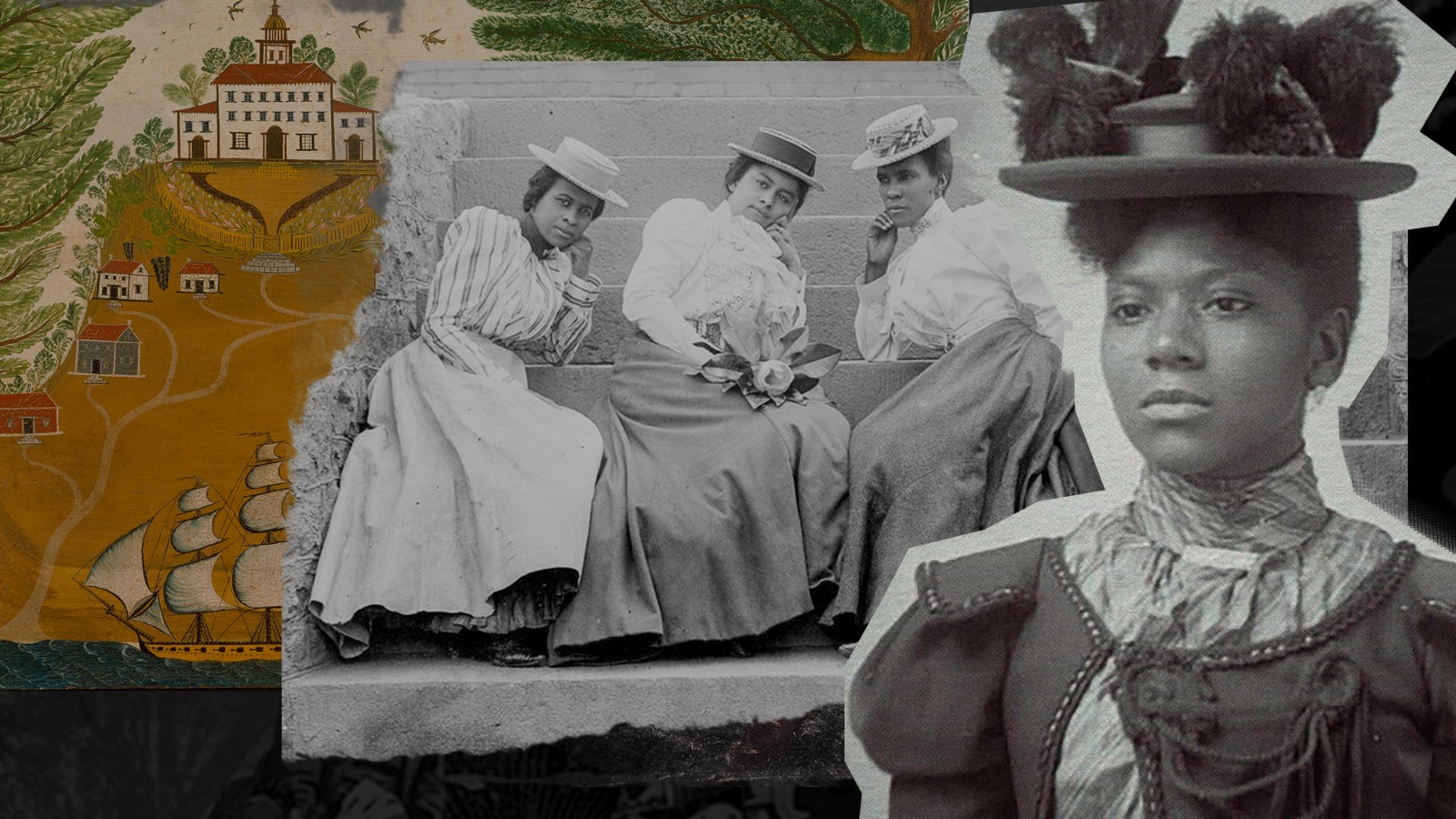
JAMAICA

Father Garvey
Listen to the following poem written by Lawrence Hoo and performed by Solomon O.B.
PLAY
Listen to the following poem written by Lawrence Hoo and performed by Solomon O.B.
PLAY
The Universal Negro Improvement Association (UNIA)
The Universal Negro Improvement Association was founded by Marcus Garvey in 1914 and described itself as a black nationalist organisation. It was strongest during the 1920s, and had a strong influence on African-American history. The organisation was created for the advancement of people of African ancestry around the world.
The Universal Negro Improvement Association was founded by Marcus Garvey in 1914 and described itself as a black nationalist organisation. It was strongest during the 1920s, and had a strong influence on African-American history. The organisation was created for the advancement of people of African ancestry around the world.
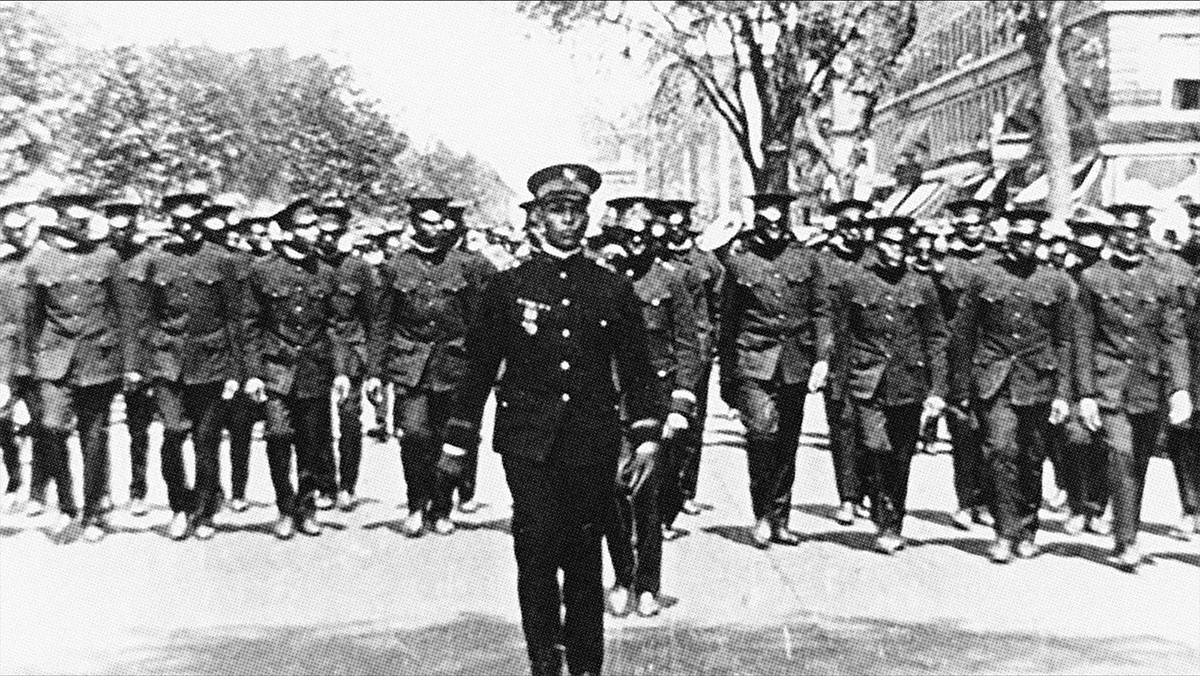
Members of the Universal Negro Improvement Association
The Universal Negro Improvement Association (UNIA)
The UNIA motto is “One God! One Aim! One Destiny!” and its slogan is “Africa for the Africans, at home and abroad!”. Marcus Garvey’s ideas for black nationalism had three components: unity, pride in the African culture and complete autonomy*. Marcus Garvey believed that people of African descent could establish a great independent nation in Africa. He believed in self-help – the idea of getting things done for yourself.
*Autonomy = ability to decide what happens to yourself.
The UNIA motto is “One God! One Aim! One Destiny!” and its slogan is “Africa for the Africans, at home and abroad!”. Marcus Garvey’s ideas for black nationalism had three components: unity, pride in the African culture and complete autonomy*. Marcus Garvey believed that people of African descent could establish a great independent nation in Africa. He believed in self-help – the idea of getting things done for yourself.
*Autonomy = ability to decide what happens to yourself.
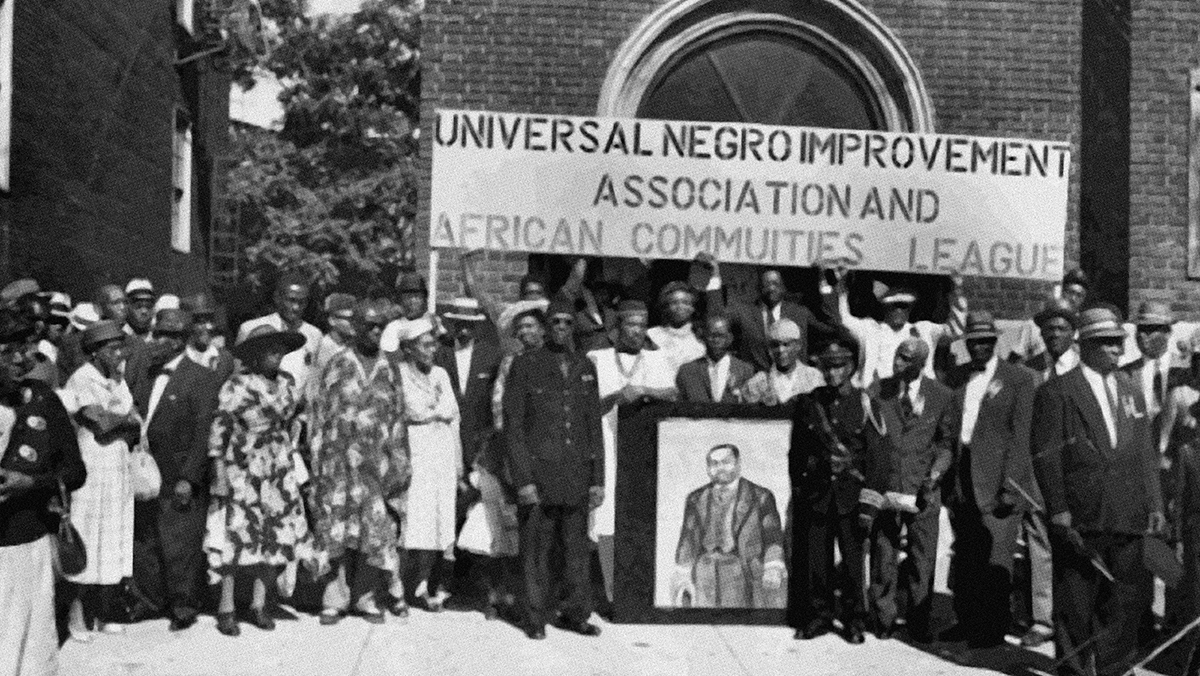
Members of the Universal Negro Improvement Association
The Negro World
The UNIA published a weekly newspaper entitled “Negro World”.
It was printed in Harlem, New York, and circulated to readers in more than forty countries.
At its peak Negro World had 200,000 readers.
The UNIA published a weekly newspaper entitled “Negro World”.
It was printed in Harlem, New York, and circulated to readers in more than forty countries.
At its peak Negro World had 200,000 readers.

The Black Star Line
The Black Star Line was a shipping company formed in 1919 by Marcus Garvey.
The name was inspired by a British luxury steamship line called the White Star Line. Created to facilitate the transportation of goods and eventually African Americans throughout the African global economy. It also encouraged black self-determination and economic independence, which Garvey promoted. The BSL ships were sometimes used to transport people and make visits to ports in Latin America to celebrate the self-determination, business ownership and economic potential of communities of African heritage. No BSL ship ever reached Africa.
*Economic potential = how much money a company could be able to make/how well a company might do in terms of profit.
The Black Star Line was a shipping company formed in 1919 by Marcus Garvey.
The name was inspired by a British luxury steamship line called the White Star Line. Created to facilitate the transportation of goods and eventually African Americans throughout the African global economy. It also encouraged black self-determination and economic independence, which Garvey promoted. The BSL ships were sometimes used to transport people and make visits to ports in Latin America to celebrate the self-determination, business ownership and economic potential of communities of African heritage. No BSL ship ever reached Africa.
*Economic potential = how much money a company could be able to make/how well a company might do in terms of profit.

Ship owned by the Black Star Line
The Black Star Line
The Black Star Line, for a short period of time, was very powerful in recruiting for the support for Marcus Garvey’s organisation the Universal Negro Improvement Association, which fought for the advancement of African people. Federal agents in the United States restricted its success.
The Black Star Line, for a short period of time, was very powerful in recruiting for the support for Marcus Garvey’s organisation the Universal Negro Improvement Association, which fought for the advancement of African people. Federal agents in the United States restricted its success.

Black Star Line Stock Certificate
Marcus Garvey’s incarceration
Garvey’s outspoken activism and Black nationalism, meant he became a target of J. Edgar Hoover at the Bureau of Investigation (BOI), the BOI later became the FBI*. The BOI hired James Wormley Jones in 1919, the first African American FBI agent*, to spy on Garvey.
Jones went undercover to investigate Garvey’s activities during the ‘Red Scare’, a time in US history where there was panic over the potential threat posed by communists often derogatively referred to as ‘Reds’.
Jones became a trusted colleague of Garvey’s and was given access to all of the company’s information. After 4 years, the only evidence that he found was a brochure for the Black Star Line that included the sale of stocks in a ship that the company did not own yet. Marcus Garvey was incarcerated* for this in 1923 and sentenced to 5 years in prison. He was granted early release after serving only three years.
Being imprisoned did not stop Garvey on his mission, soon after his release he travelled to Geneva, Switzerland, to speak to the League of Nations on issues of race and the worldwide abuse of people of colour. A few months later, he returned to Jamaica where he established the People’s Political Party.
*Incarceration - to be imprisoned.
*FBI - Federal Bureau of Investigation, The law enforcement agency, domestic intelligence and security service of the United States.
*Federal Agents - Government employed law enforcement officer.
Garvey’s outspoken activism and Black nationalism, meant he became a target of J. Edgar Hoover at the Bureau of Investigation (BOI), the BOI later became the FBI*. The BOI hired James Wormley Jones in 1919, the first African American FBI agent*, to spy on Garvey.
Jones went undercover to investigate Garvey’s activities during the ‘Red Scare’, a time in US history where there was panic over the potential threat posed by communists often derogatively referred to as ‘Reds’.
Jones became a trusted colleague of Garvey’s and was given access to all of the company’s information. After 4 years, the only evidence that he found was a brochure for the Black Star Line that included the sale of stocks in a ship that the company did not own yet. Marcus Garvey was incarcerated* for this in 1923 and sentenced to 5 years in prison. He was granted early release after serving only three years.
Being imprisoned did not stop Garvey on his mission, soon after his release he travelled to Geneva, Switzerland, to speak to the League of Nations on issues of race and the worldwide abuse of people of colour. A few months later, he returned to Jamaica where he established the People’s Political Party.
*Incarceration - to be imprisoned.
*FBI - Federal Bureau of Investigation, The law enforcement agency, domestic intelligence and security service of the United States.
*Federal Agents - Government employed law enforcement officer.
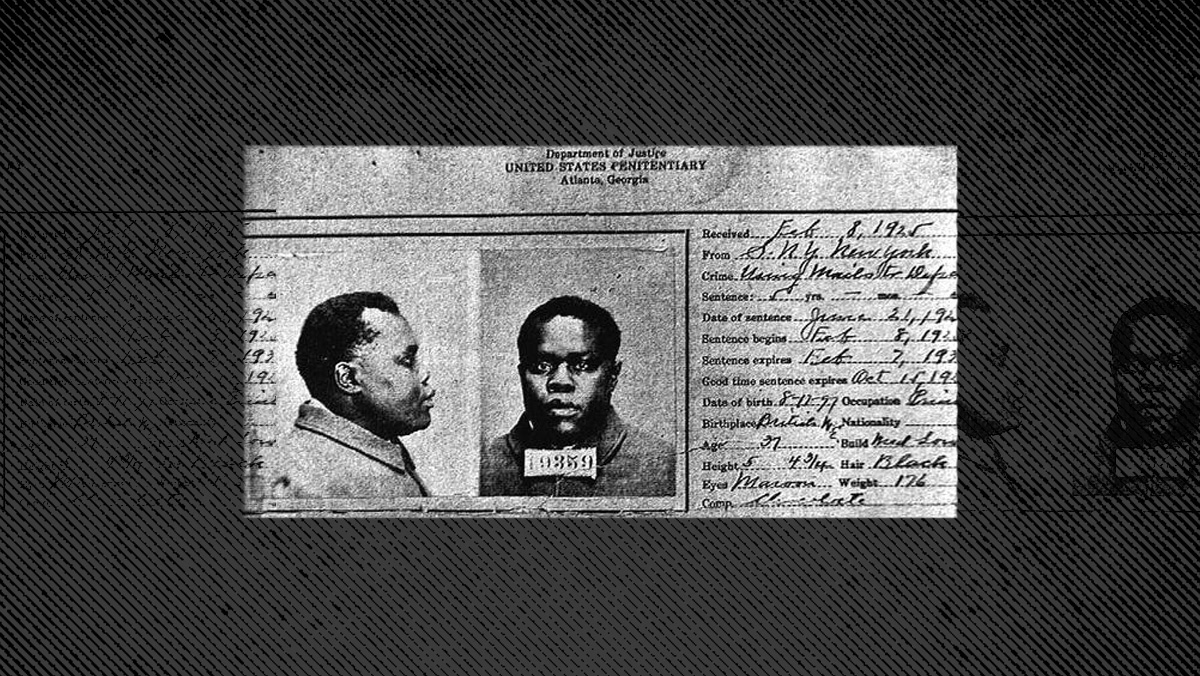
Marcus Garvey’s incarceration

Marcus Garvey, accompanied by U.S. marshals, on the way to federal prison in Atlanta
The People’s Political Party
Marcus Garvey set up the Peoples Political Party, considered to be the first modern political party in Jamaica. Formed in September 1929, the PPP set out a 14-point manifesto*.
Examples from the manifesto:
An eight-hour work day
A minimum wage
A legal aid department for the poor
Protection for native industries
*Manifesto = the aims of a political party
Marcus Garvey set up the Peoples Political Party, considered to be the first modern political party in Jamaica. Formed in September 1929, the PPP set out a 14-point manifesto*.
Examples from the manifesto:
An eight-hour work day
A minimum wage
A legal aid department for the poor
Protection for native industries
*Manifesto = the aims of a political party

Many people, including the Rastafarian Movement regard Marcus Garvey as a Prophet.
The People’s Political Party
Marcus Garvey developed a model of how to reshape Jamaican society to reflect his ideas about Black Nationalism*. This meant majority rule by those of African descent, political independence for Jamaica and the formation of a West Indian Federation, which Jamaica would lead.
*Nationalism = loyalty to your country.
Marcus Garvey developed a model of how to reshape Jamaican society to reflect his ideas about Black Nationalism*. This meant majority rule by those of African descent, political independence for Jamaica and the formation of a West Indian Federation, which Jamaica would lead.
*Nationalism = loyalty to your country.
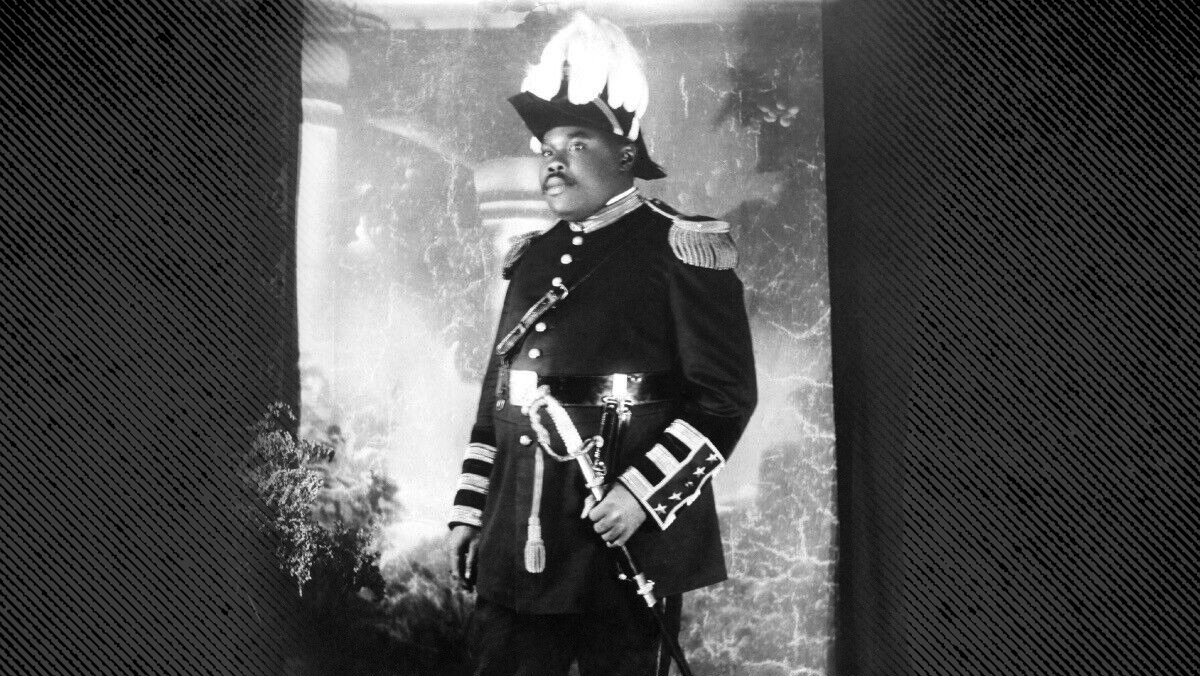
Political influence
In April 1929, the Peoples Political Party achieved the success of winning their first seat in a local council election. Two months later, they won 2 more seats in council elections. Marcus Garvey himself also won a seat in a local election, but could not take his seat* straight away as he had been imprisoned.
Eighty-six years after it was founded, the PPP still has a presence in local politics. In 2020, the People’s Political Party still focuses on the political ideas of Marcus Garvey, and is growing as a political force in Jamaica.
* Seat - The winner of an election gains a seat/position in the council/government.
In April 1929, the Peoples Political Party achieved the success of winning their first seat in a local council election. Two months later, they won 2 more seats in council elections. Marcus Garvey himself also won a seat in a local election, but could not take his seat* straight away as he had been imprisoned.
Eighty-six years after it was founded, the PPP still has a presence in local politics. In 2020, the People’s Political Party still focuses on the political ideas of Marcus Garvey, and is growing as a political force in Jamaica.
* Seat - The winner of an election gains a seat/position in the council/government.
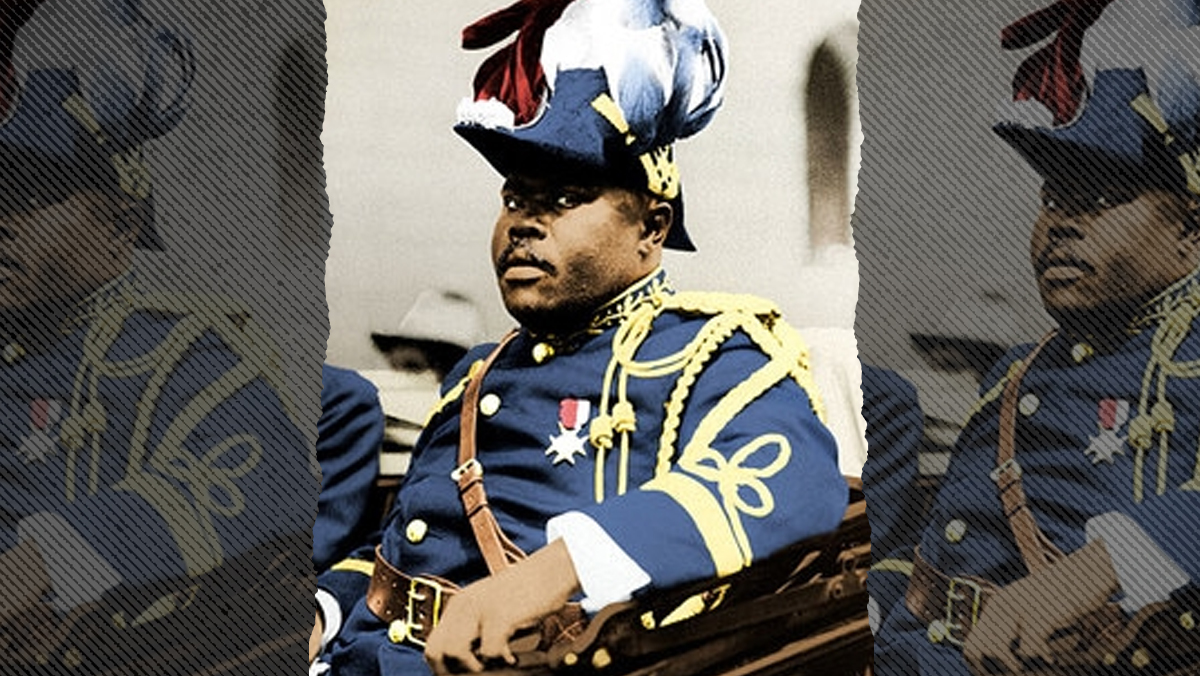

“A people without knowledge of their past history, origin and culture is like a tree without roots.”
Marcus Garvey
Marcus Garvey

Marcus Garvey’s Attitude
Self determination
Never give up
Not asking others to do for you what you can do for yourself.
Self determination
Never give up
Not asking others to do for you what you can do for yourself.
Jamaican National Hero
Marcus Mosiah Garvey was Jamaica’s first national hero. This was made official in 1969.
In 2012 the Jamaican Government declared that August 17 would be Marcus Garvey Day.
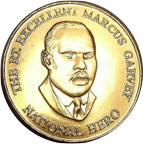
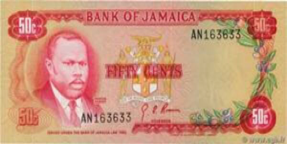
Marcus Mosiah Garvey was Jamaica’s first national hero. This was made official in 1969.
In 2012 the Jamaican Government declared that August 17 would be Marcus Garvey Day.
Add a comment.
Please let us know your thoughts.
Choose your Avatar
I AM NOT A ROBOT
SUBMIT

"I would have loved to have seen things differently when I was younger."
Tom Simplson

"We’re slowly trying to find it ourselves, Because it was lacked in the curriculum"
A Student

"It's incredible that his history still hasn't been given a fair representation,"
Lawrence Hoo
"It has become a tsunami of enlightenment and information"
A Student
Please let us know your thoughts.
Choose your Avatar
I AM NOT A ROBOT
SUBMIT
"I would have loved to have seen things differently when I was younger."
Tom Simplson
"We’re slowly trying to find it ourselves, Because it was lacked in the curriculum"
A Student
"It's incredible that his history still hasn't been given a fair representation,"
Lawrence Hoo
"It has become a tsunami of enlightenment and information"
A Student