

Loading Lesson

Jamaica: A Brief Introduction
The Caribbean island of Jamaica was originally inhabited by the Redware people, the Caribs, and the Arawak group of indigenous peoples including the Taíno people. The island was named “Xaynaca” by its early inhabitants, which meant “land of wood and water”. Christopher Columbus is believed to have been the first European to reach Xaynaca in 1494, after which it was *colonised by the Spanish. The Spanish changed the name of the island to “Jamaica”.
The Spanish **enslaved Arawak people and by 1602 some historians believed the Arawak people were extinct. However, some had escaped the Spanish and had settled in the mountainous regions of Jamaica. The Spanish also enslaved* people from West Africa and transported them to the island.
*Colonised: To settle among and take control over a land and its indigenous people, often through forceful means.
**Enslaved: To cause someone to lose their freedom of choice and action; slave.

The Caribbean island of Jamaica was originally inhabited by the Redware people, the Caribs, and the Arawak group of indigenous peoples including the Taíno people. The island was named “Xaynaca” by its early inhabitants, which meant “land of wood and water”. Christopher Columbus is believed to have been the first European to reach Xaynaca in 1494, after which it was *colonised by the Spanish. The Spanish changed the name of the island to “Jamaica”.
The Spanish **enslaved Arawak people and by 1602 some historians believed the Arawak people were extinct. However, some had escaped the Spanish and had settled in the mountainous regions of Jamaica. The Spanish also enslaved* people from West Africa and transported them to the island.
*Colonised: To settle among and take control over a land and its indigenous people, often through forceful means.
**Enslaved: To cause someone to lose their freedom of choice and action; slave.
Jamaica: A Brief Introduction
In 1655 the English invaded Jamaica and defeated the Spanish to claim Jamaica as their *colony. The sugar cane industry replaced piracy as British Jamaica’s main source of income. Enslaved people were forced to work without rest or pay, and regularly abused.
Following continuous rebellions and protests, the trade in enslaved people was declared illegal in 1833.
*Colony: A country or area controlled politically by another.
In 1655 the English invaded Jamaica and defeated the Spanish to claim Jamaica as their *colony. The sugar cane industry replaced piracy as British Jamaica’s main source of income. Enslaved people were forced to work without rest or pay, and regularly abused.
Following continuous rebellions and protests, the trade in enslaved people was declared illegal in 1833.
*Colony: A country or area controlled politically by another.
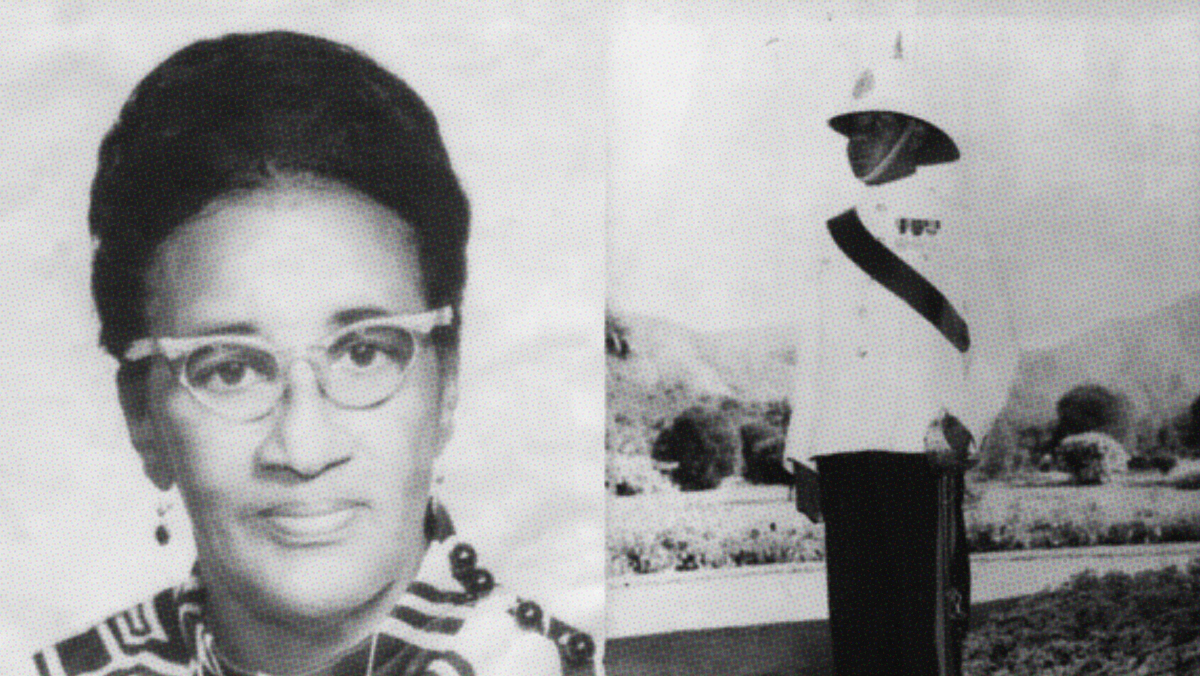
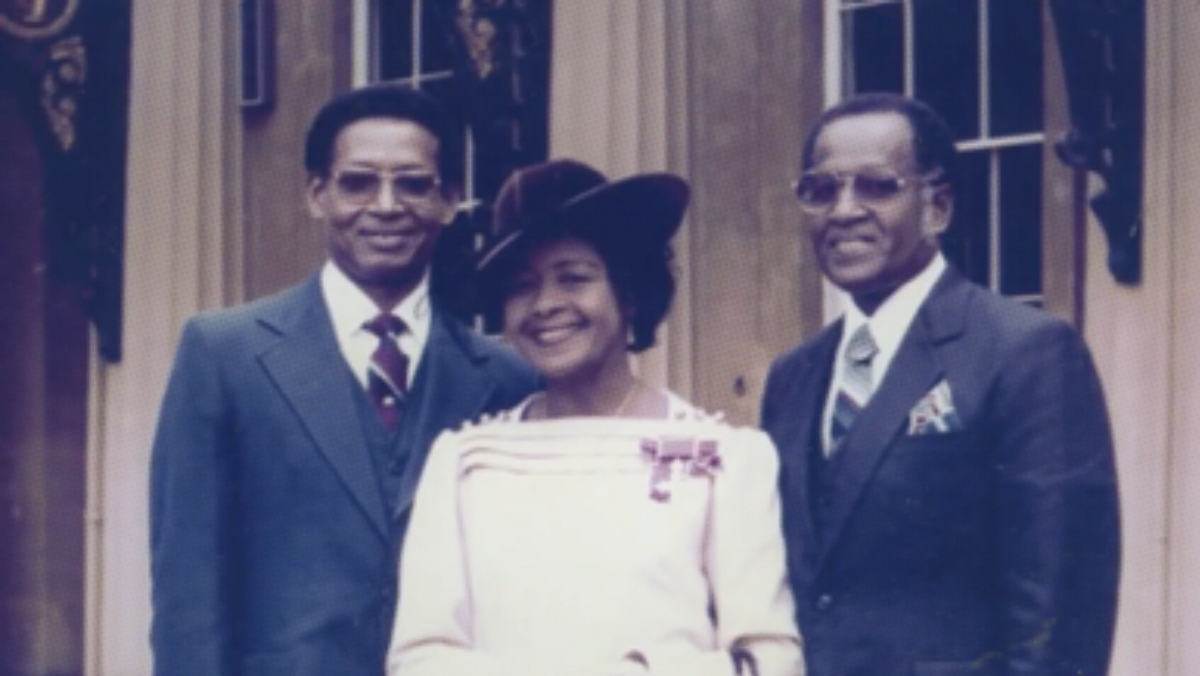
Carmen’s parents
Enquiry Question
How far did Carmen Beckford help change the face of Britain?
How far did Carmen Beckford help change the face of Britain?
A call from the British Government
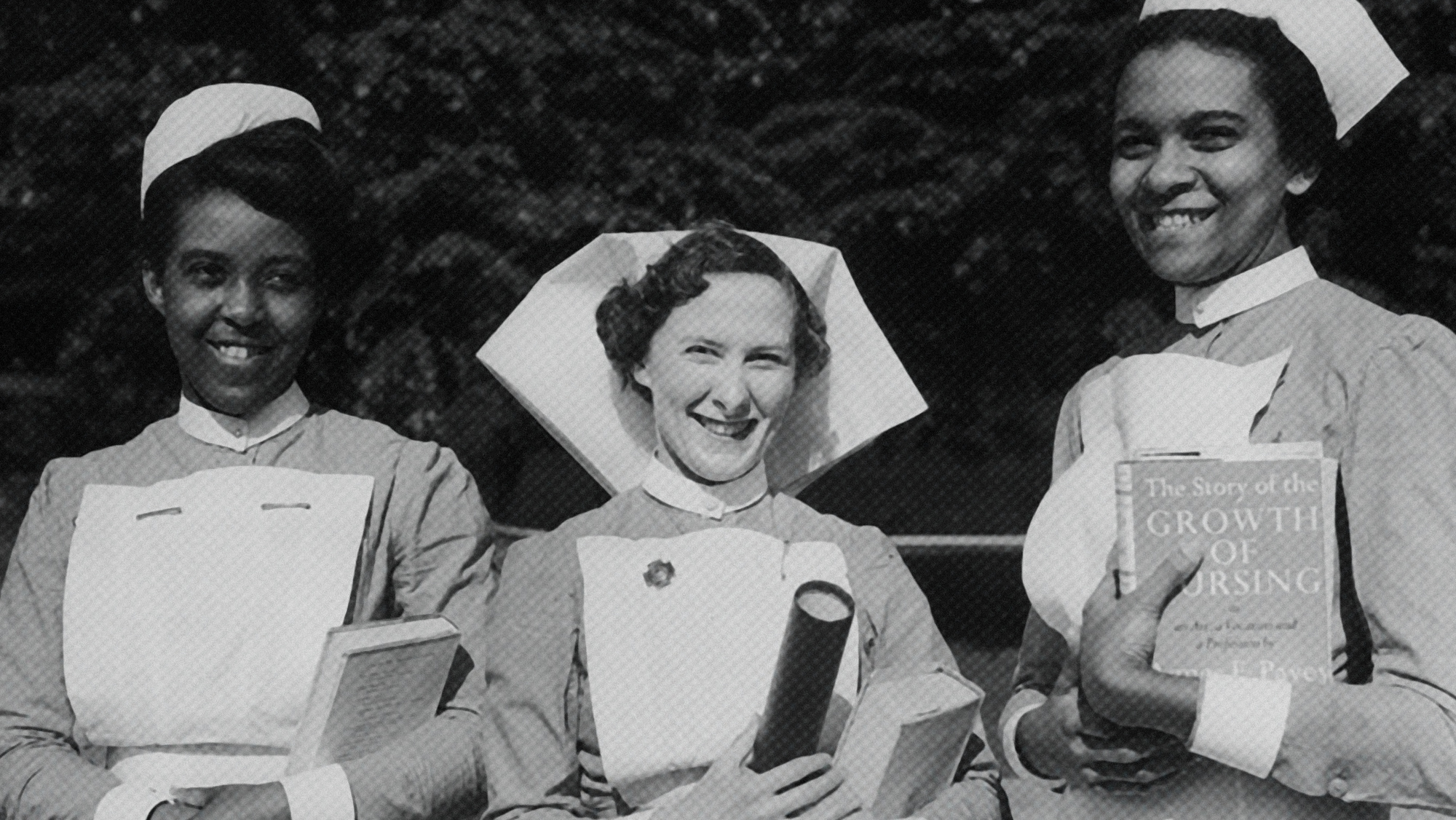
Following the end of the Second World War in 1945, the UK was in dire need of repair. A huge rebuilding effort began, as many British cities had been destroyed by the Blitz, and the new National Health Service (the NHS) needed medical and other staff from overseas to make it work. An essential contributor to this rebuilding effort were the Caribbean communities, who were invited to Britain by the British Government.
Carmen Beckford was one of the first to answer the call and arrived in the UK in 1945. Many more would follow her. The British Nationality Act of 1948 gave citizenship of the UK and the Colonies to all people living in them, which included all the people living in Jamaica, Barbados, Trinidad and Tobago. The British Government encouraged these citizens to come and settle permanently in the UK.
Following the end of the Second World War in 1945, the UK was in dire need of repair. A huge rebuilding effort began, as many British cities had been destroyed by the Blitz, and the new National Health Service (the NHS) needed medical and other staff from overseas to make it work. An essential contributor to this rebuilding effort were the Caribbean communities, who were invited to Britain by the British Government.
Carmen Beckford was one of the first to answer the call and arrived in the UK in 1945. Many more would follow her. The British Nationality Act of 1948 gave citizenship of the UK and the Colonies to all people living in them, which included all the people living in Jamaica, Barbados, Trinidad and Tobago. The British Government encouraged these citizens to come and settle permanently in the UK.
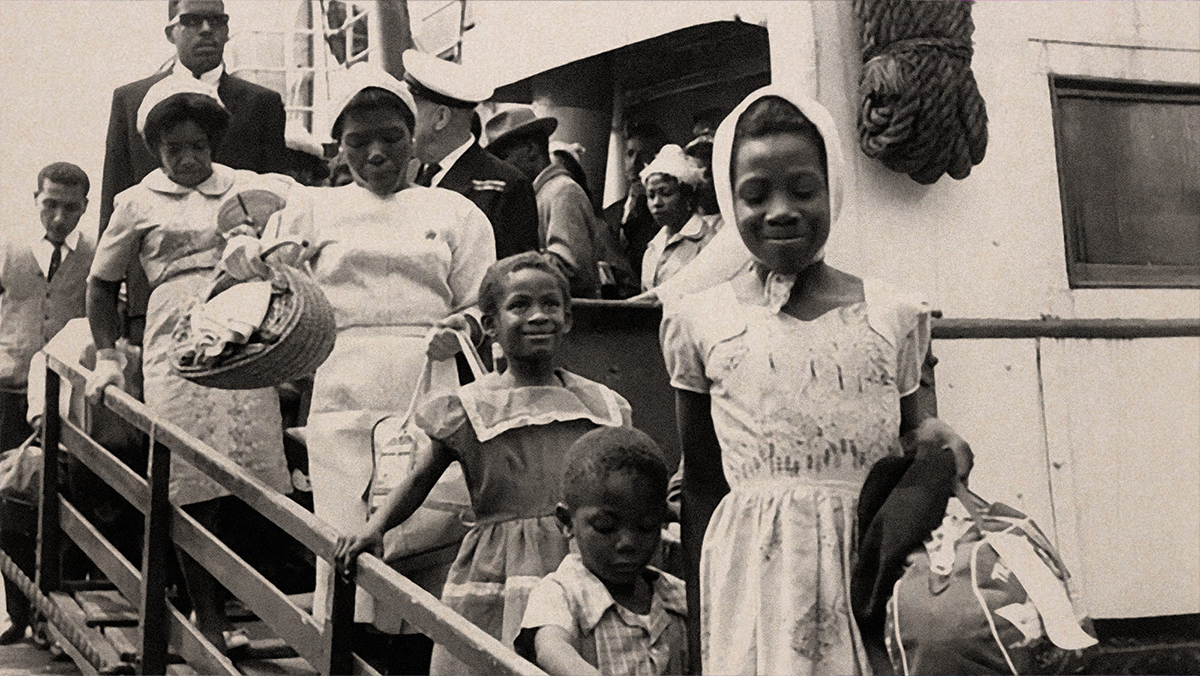
People arriving in London from the Empire Windrush.
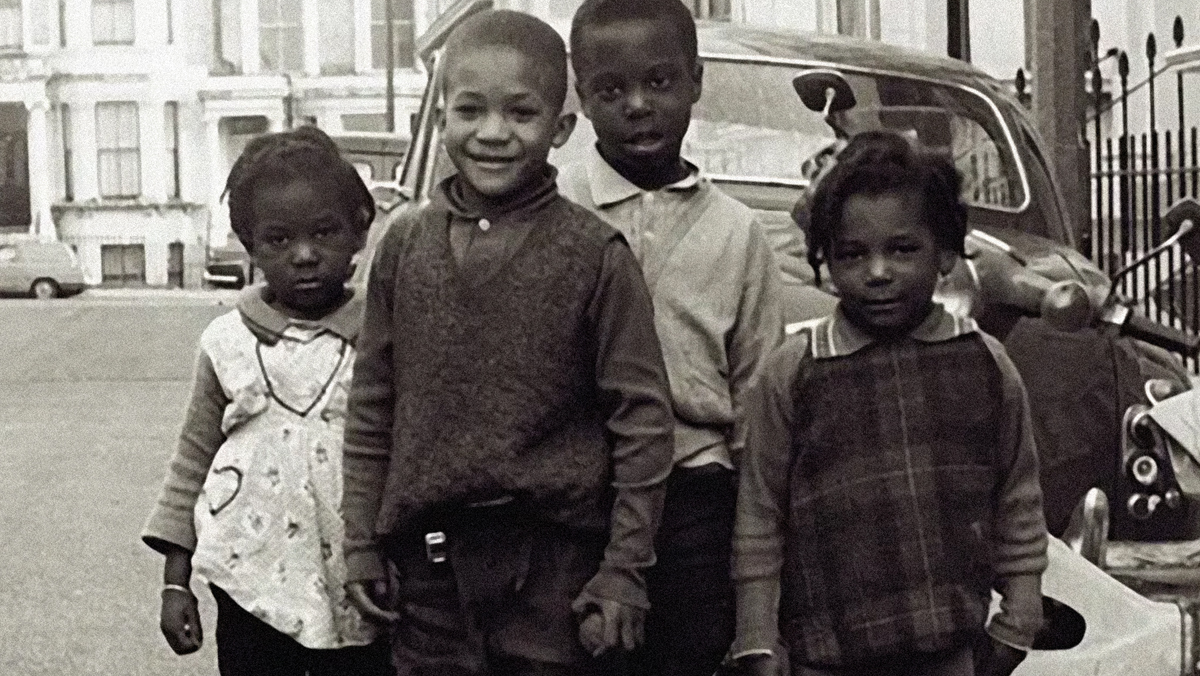
A group of children on Basing Street in west London, 1969
Photograph by Charlie Phillips.
Photograph by Charlie Phillips.
A hostile environment
However, British society was a hostile environment for those who arrived from the Caribbean. Before the Race Relations Act was passed in 1965, there was no legal protection against discrimination. It was not illegal to refuse someone a place to live, a job or a bank account because of the prejudice against people of African descent which was embedded in British culture. One example of this is that the Bristol Omnibus Company refused to employ bus crews of African or African Diaspora descent, or of Asian descent.
However, British society was a hostile environment for those who arrived from the Caribbean. Before the Race Relations Act was passed in 1965, there was no legal protection against discrimination. It was not illegal to refuse someone a place to live, a job or a bank account because of the prejudice against people of African descent which was embedded in British culture. One example of this is that the Bristol Omnibus Company refused to employ bus crews of African or African Diaspora descent, or of Asian descent.
The NHS and the windrush generation
The NHS has depended on the talents of African and African diaspora heritage workforce since its beginning in 1948, the same year the passengers of HMT Empire Windrush passengers arrived on 22nd June. Many of the windrush generation came to work for the NHS and are an instrumental part of NHS’s history.
The NHS has depended on the talents of African and African diaspora heritage workforce since its beginning in 1948, the same year the passengers of HMT Empire Windrush passengers arrived on 22nd June. Many of the windrush generation came to work for the NHS and are an instrumental part of NHS’s history.
Our Festival Queen
Listen to the following poem written by Lawrence Hoo and performed by Vanessa Melody.
PLAY
Listen to the following poem written by Lawrence Hoo and performed by Vanessa Melody.
PLAY

St Pauls Carnival through the years
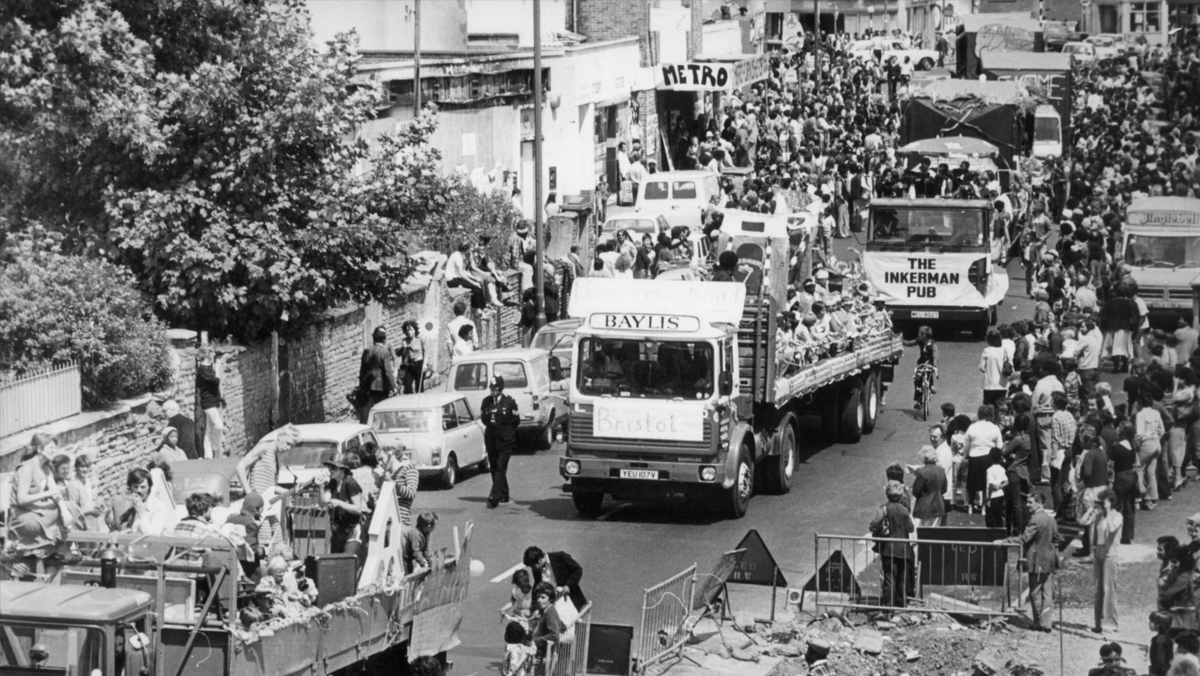
St Paul’s Carnival parade in 1980.
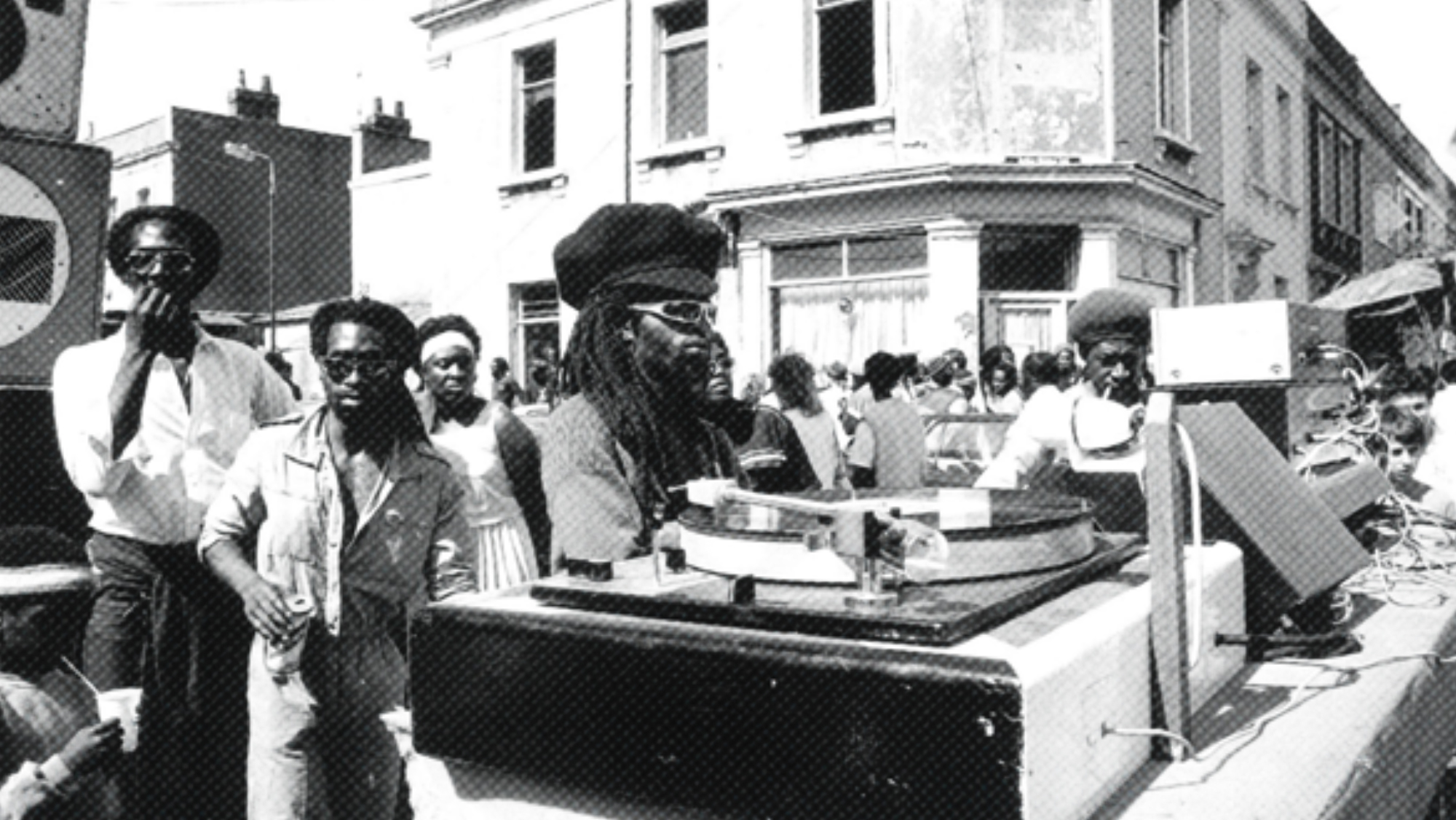
1987
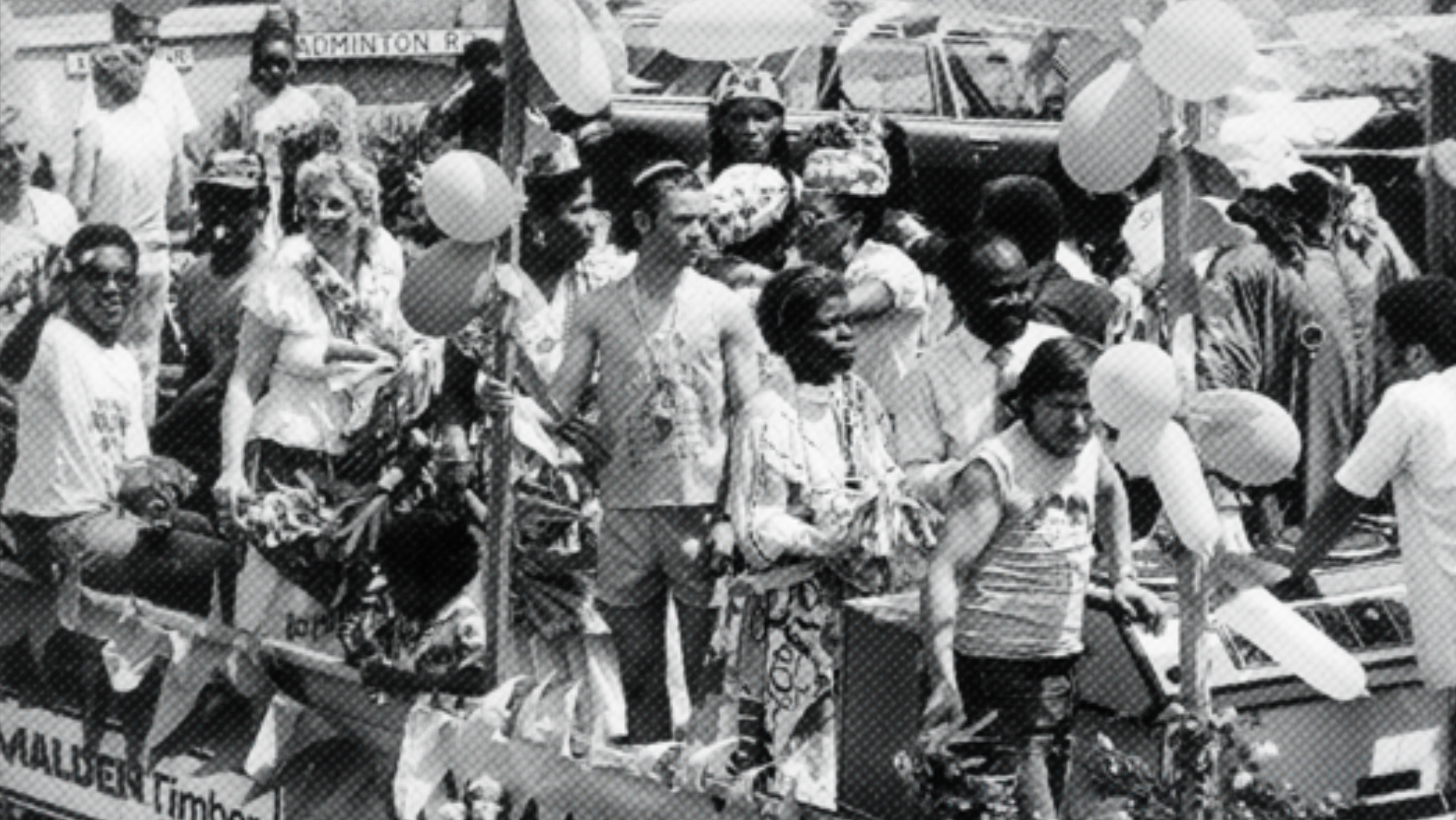
1987
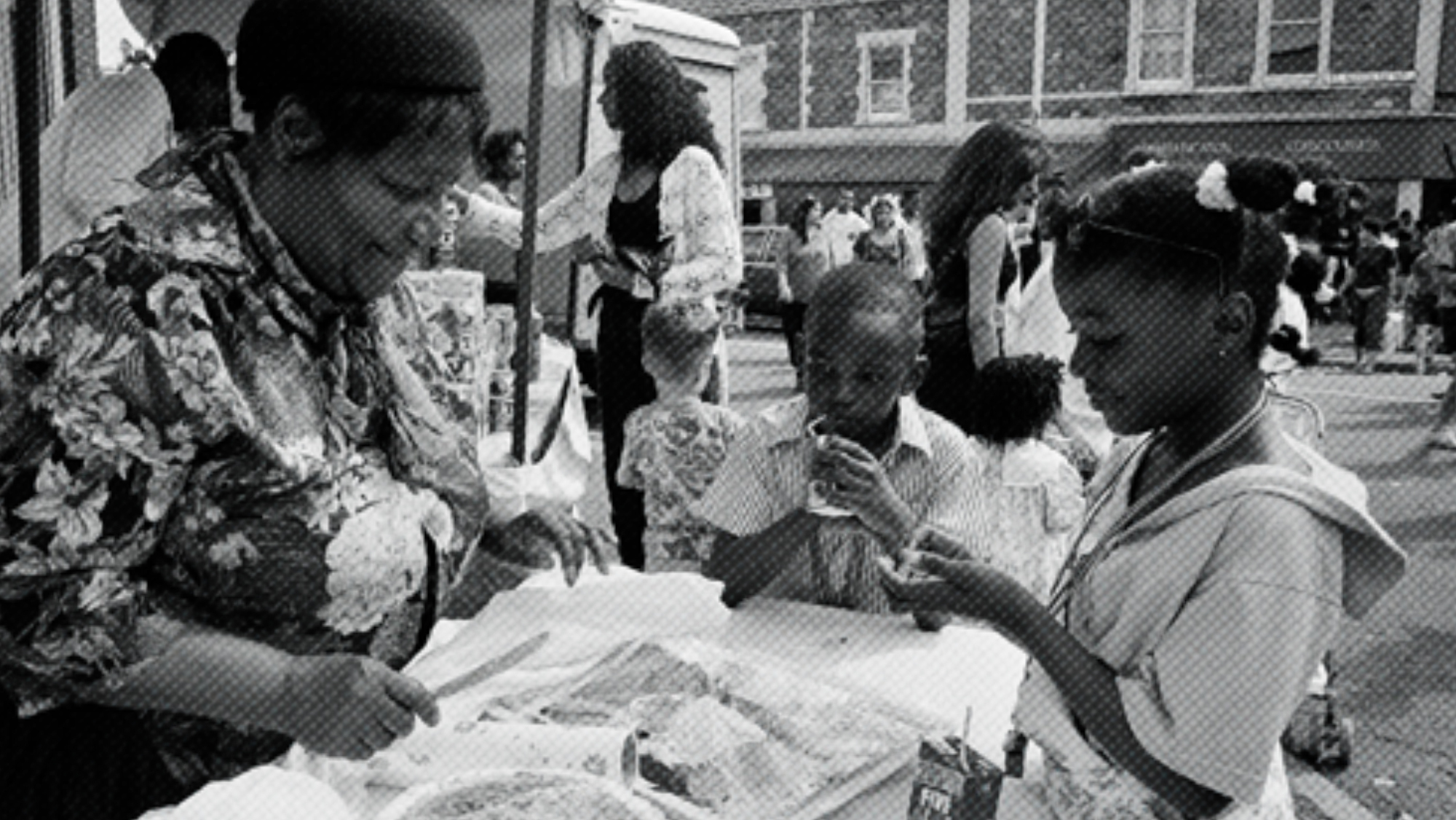
St Pauls carnival 1991
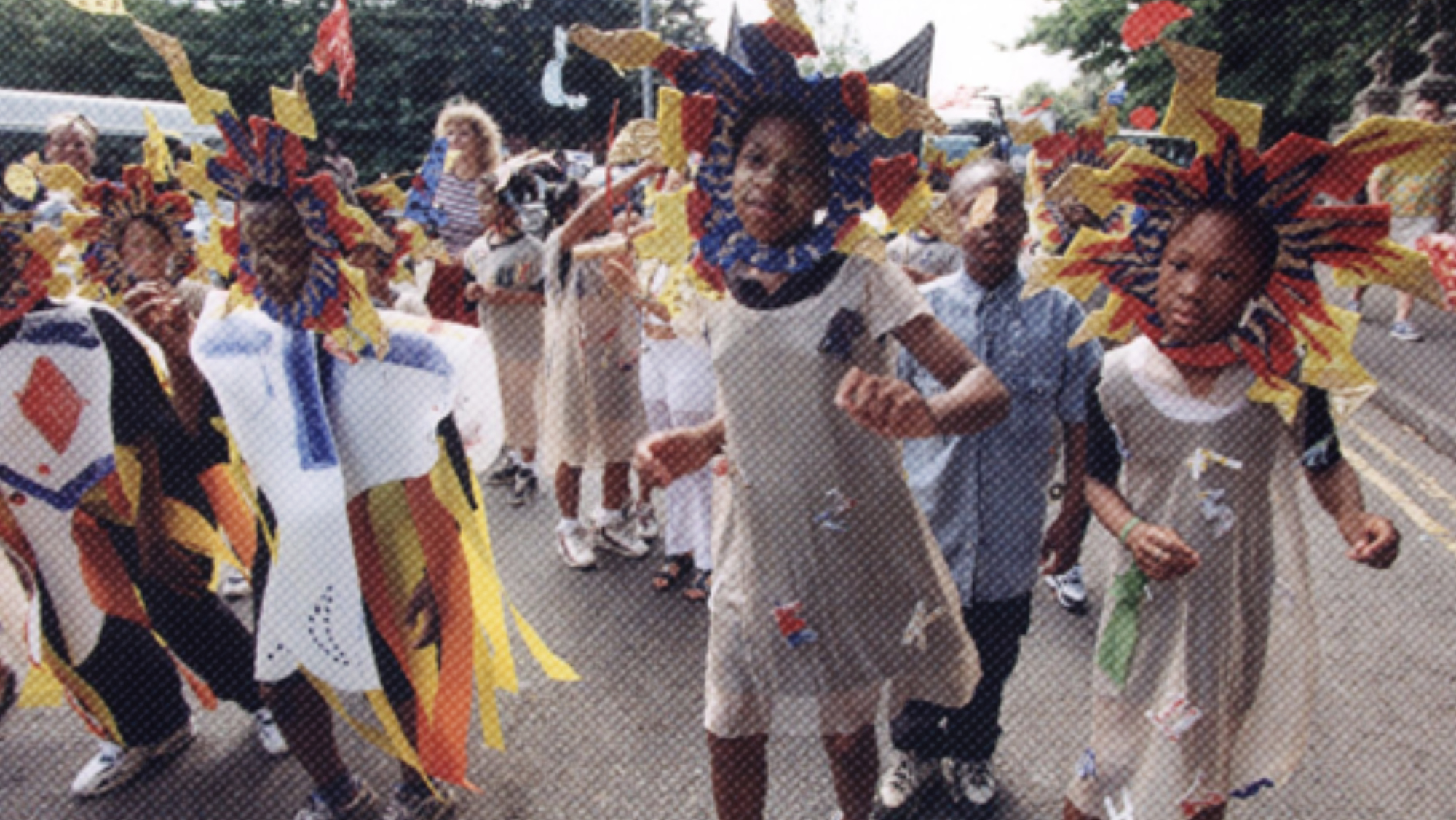
Cabot Primary School students at St Paul’s carnival late 90s

St Barnabas primary school at the St Pauls Carnival parade in 2005
How do we define ‘success’?
Achieving something - perhaps something that others don’t do, completing a goal.
Achieving something - perhaps something that others don’t do, completing a goal.

Achievement No. 1
Carmen Beckford was an eloquent woman, who carried herself with dignity. This made her a strong advocate for her community. She was encouraged by the Jamaican High Commissioner to apply for the role of Bristol First Community Development Officer at Bristol City Council, a role she held between 1978-86. During this time she worked to improve race relations in the city.
Carmen Beckford was an eloquent woman, who carried herself with dignity. This made her a strong advocate for her community. She was encouraged by the Jamaican High Commissioner to apply for the role of Bristol First Community Development Officer at Bristol City Council, a role she held between 1978-86. During this time she worked to improve race relations in the city.
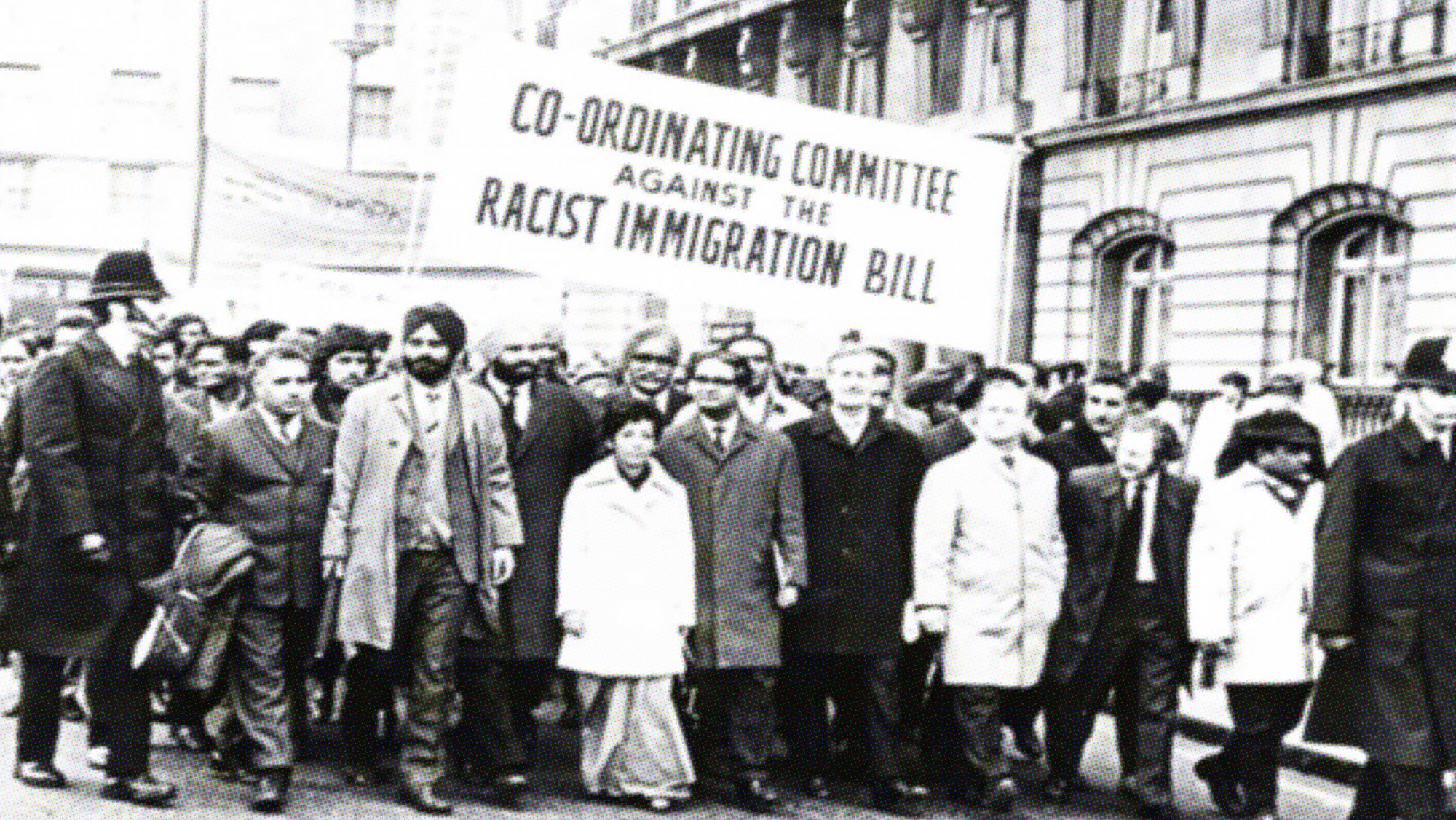
The Commonwealth Coordinating Committee conduct a peaceful demonstration
Achievement No. 2
Carmen Beckford joined the Commonwealth Co-ordinating Committee in 1965. As part of this, she aimed to integrate all ethnicities within the city of Bristol and to build young people’s self-esteem. Her focus was always on equality for all. In this role Carmen brought about legal changes that would have a long and important legacy.
Carmen Beckford joined the Commonwealth Co-ordinating Committee in 1965. As part of this, she aimed to integrate all ethnicities within the city of Bristol and to build young people’s self-esteem. Her focus was always on equality for all. In this role Carmen brought about legal changes that would have a long and important legacy.
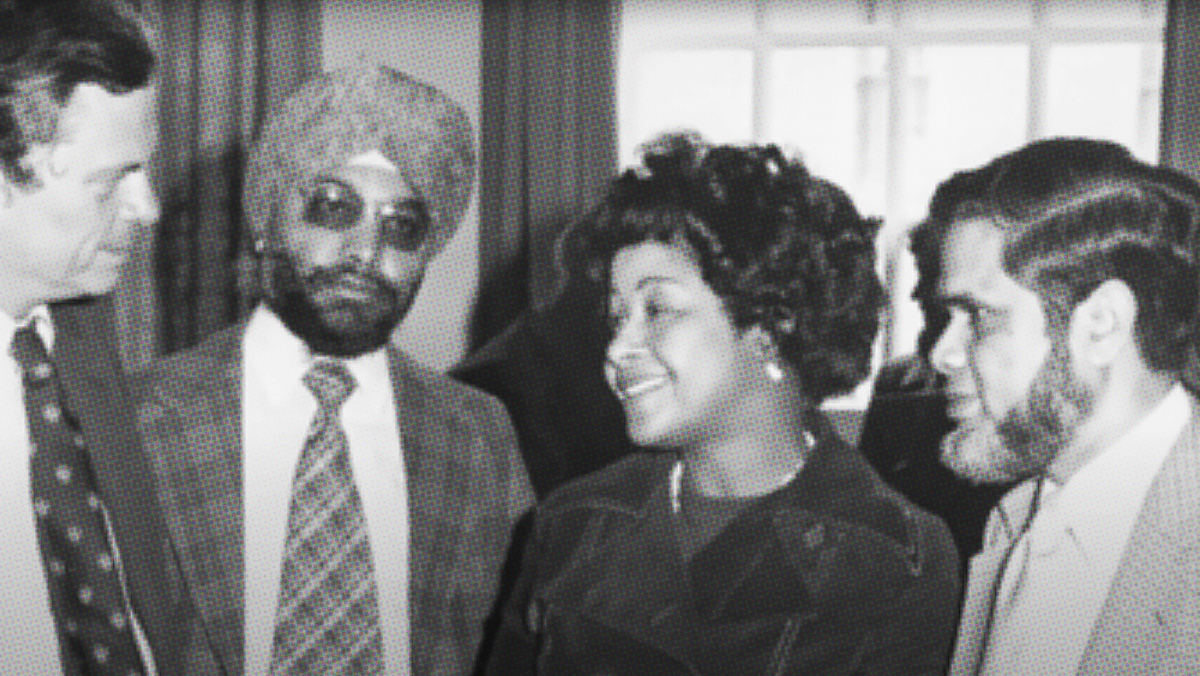
Carmen with members of the Commonwealth Coordinating Committee
Achievement No. 3
In 1967, continuing her work with the Commonwealth Co-ordinating Committee, Carmen Beckford was elected as the first Race Relations Officer in Bristol. As part of this role she established a West Indian dance team and held annual fundraising events for dance ensembles from various cultural backgrounds.
In 1967, continuing her work with the Commonwealth Co-ordinating Committee, Carmen Beckford was elected as the first Race Relations Officer in Bristol. As part of this role she established a West Indian dance team and held annual fundraising events for dance ensembles from various cultural backgrounds.
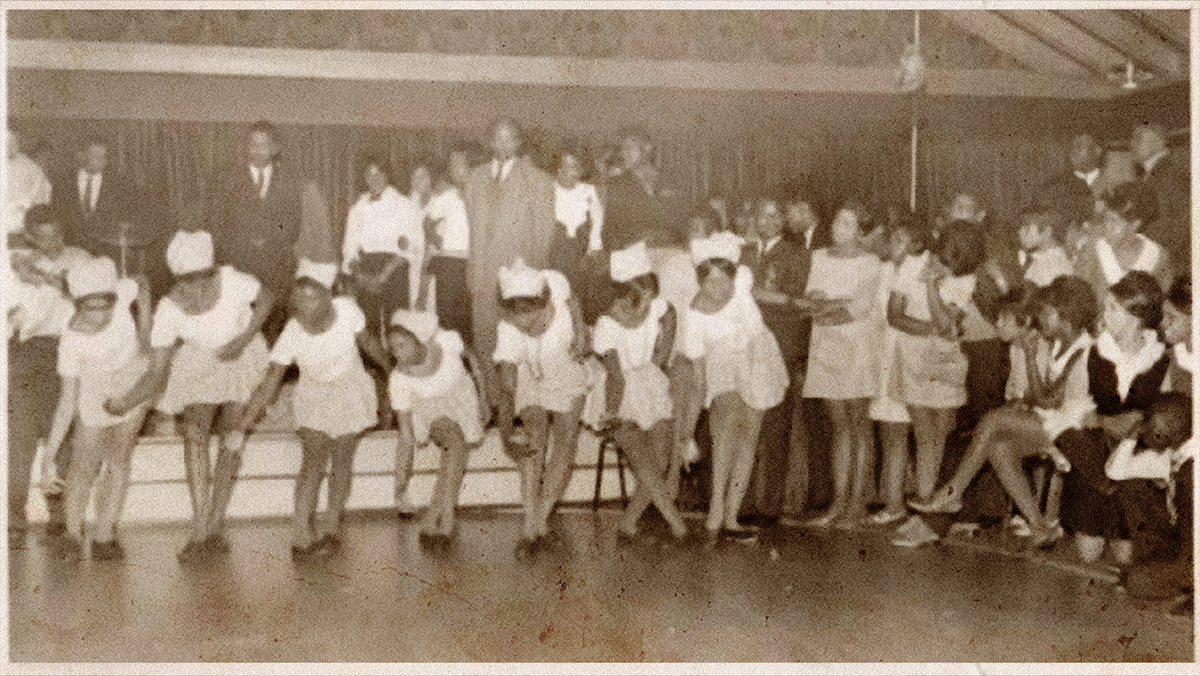
Bristolian dance ensemble performs
Achievement No. 4
1968 saw the first St Paul’s Carnival, which was founded by Carmen Beckford and is probably the achievement for which she is best known. This carnival runs annually, hoping to bring together the European, African-Caribbean and Asian communities living in the St Paul’s area of Bristol and beyond.
1968 saw the first St Paul’s Carnival, which was founded by Carmen Beckford and is probably the achievement for which she is best known. This carnival runs annually, hoping to bring together the European, African-Caribbean and Asian communities living in the St Paul’s area of Bristol and beyond.
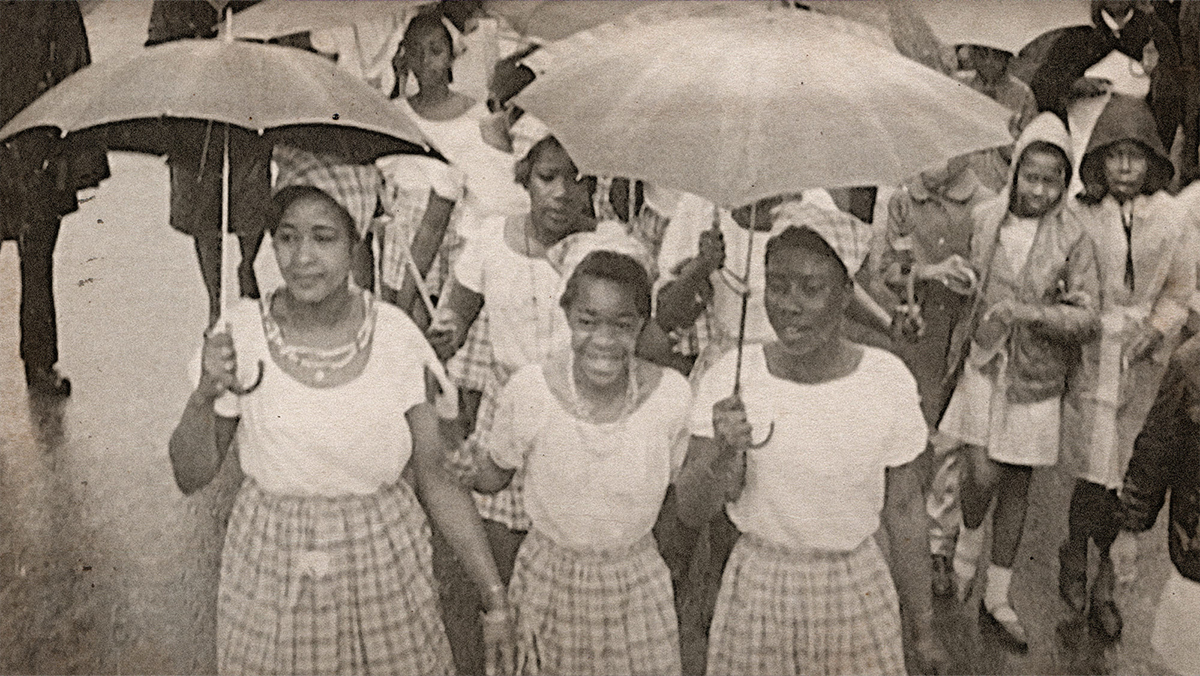
Carmen Beckford leading the St Paul’s Carnival procession in 1968
Achievement No. 5
In 1982, Queen Elizabeth II awarded Carmen Beckford with an MBE (standing for Member of the Order of the British Empire) for her dedication and work towards equality. She was the first woman of African-Caribbean descent in the South West to receive this.
In 1982, Queen Elizabeth II awarded Carmen Beckford with an MBE (standing for Member of the Order of the British Empire) for her dedication and work towards equality. She was the first woman of African-Caribbean descent in the South West to receive this.
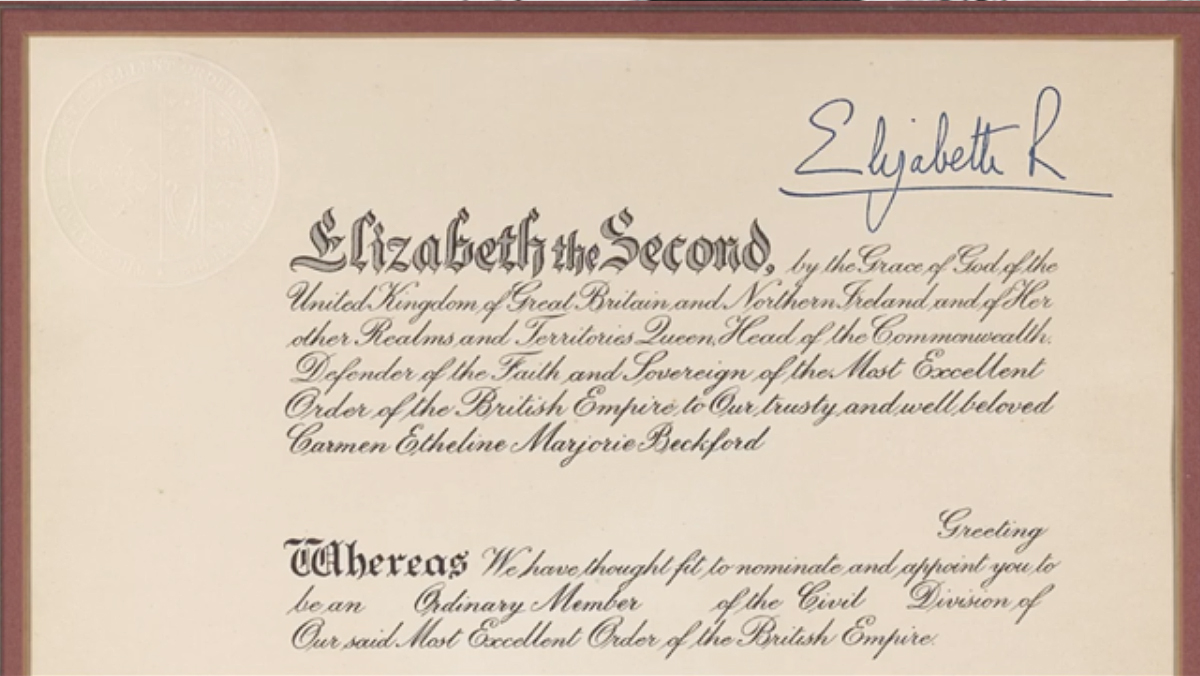
MBE (standing for Member of the Order of the British Empire)
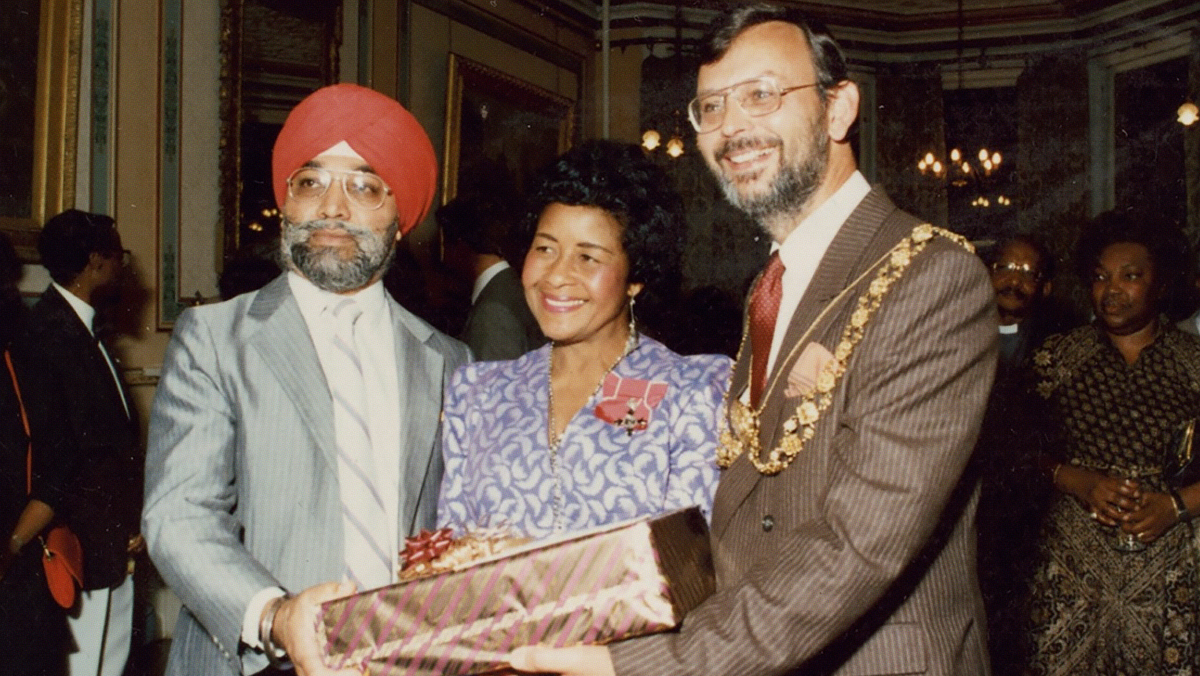
Reception for Carmen Beckford is held at the Lord Mayor’s Mansion House in Bristol
Acknowledgements
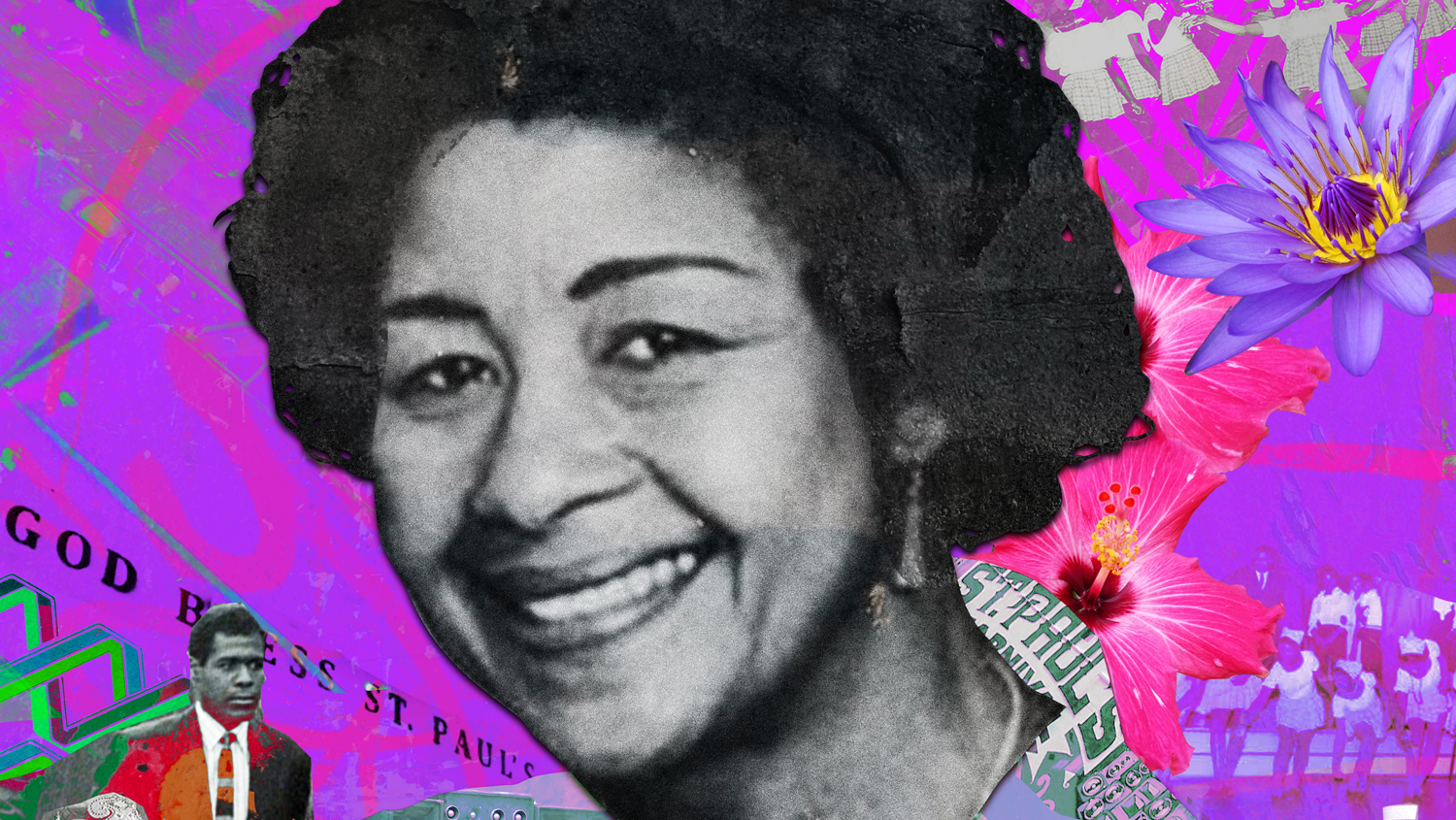
In honour of these achievements, Carmen is recognised as one of the Seven Saints of St Pauls, which features painted murals in St Pauls, Bristol. Each is a portrait of Black Bristolians that are known for the founding of St Paul's Carnival and advocating for equality.
In honour of these achievements, Carmen is recognised as one of the Seven Saints of St Pauls, which features painted murals in St Pauls, Bristol. Each is a portrait of Black Bristolians that are known for the founding of St Paul's Carnival and advocating for equality.
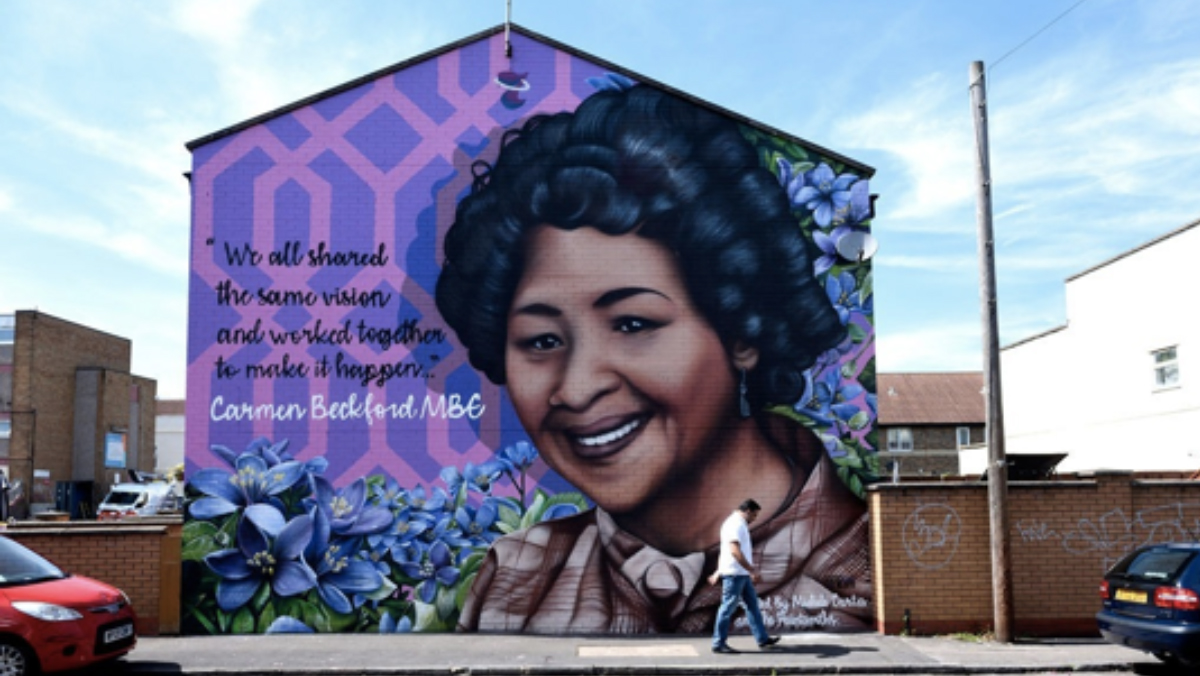
One of the Seven Saints of St Paul’s murals, created by Michelle Curtis. Painted by The Paintsmiths in 2019.
Add a comment.
Please let us know your thoughts.
Choose your Avatar
I AM NOT A ROBOT
SUBMIT

"I would have loved to have seen things differently when I was younger."
Tom Simplson

"We’re slowly trying to find it ourselves, Because it was lacked in the curriculum"
A Student

"It's incredible that his history still hasn't been given a fair representation,"
Lawrence Hoo
"It has become a tsunami of enlightenment and information"
A Student
Please let us know your thoughts.
Choose your Avatar
I AM NOT A ROBOT
SUBMIT
"I would have loved to have seen things differently when I was younger."
Tom Simplson
"We’re slowly trying to find it ourselves, Because it was lacked in the curriculum"
A Student
"It's incredible that his history still hasn't been given a fair representation,"
Lawrence Hoo
"It has become a tsunami of enlightenment and information"
A Student